Why This Film Is Beginner-Friendly
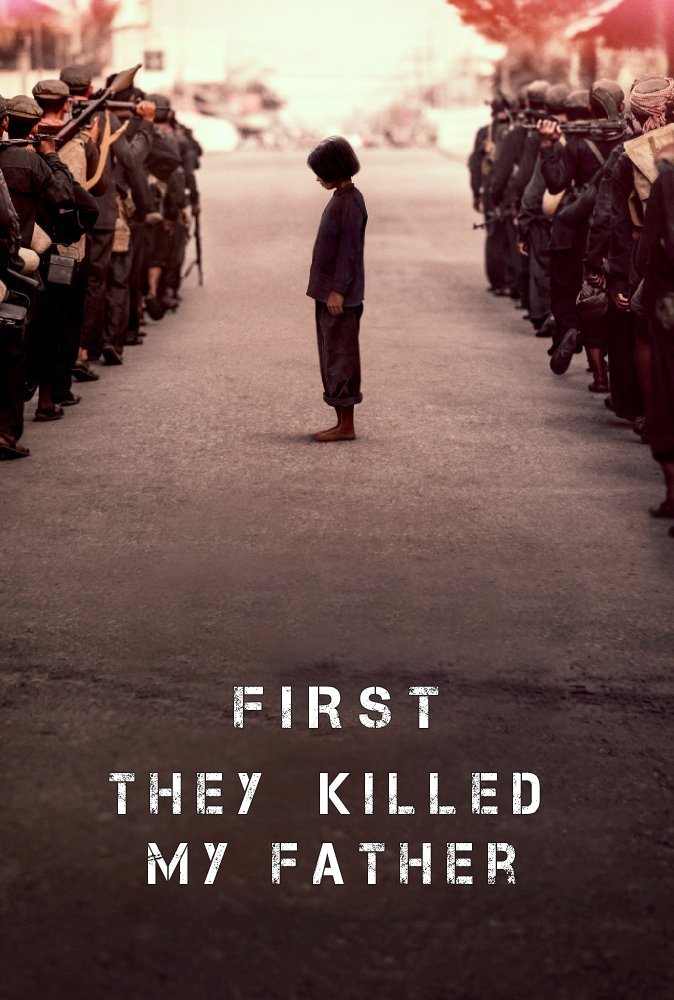
When I first came across “First They Killed My Father,” I was hesitant, simply because it wasn’t one of the classics I’d heard mentioned alongside Hollywood’s golden age. But sitting through it, I realized how surprisingly approachable it is for newcomers, especially those of us nervous about diving into films that are often labeled “essential” or “classic.” What I immediately appreciated is how this film draws you in through the eyes of a child—Luong Ung—rather than with complicated, grown-up politics or dense historical narration. Angelina Jolie’s direction doesn’t demand that I have any prior knowledge of Cambodia’s past or world history. I never felt confused or lost, which can be a common struggle when trying older, subtitled, or international films. The emotional pull of Luong’s journey is direct and utterly relatable, even if you’ve never watched a “serious” film in your life. As someone relatively new to cinema beyond the blockbusters, I didn’t need a film studies textbook to follow the story. Instead, “First They Killed My Father” gives viewers a personal window—a way in that feels both intimate and universal. There’s no code to crack here, and I found that really refreshing for my own first steps into classic, dramatic cinema.
What to Know Before Watching
- The film is told almost entirely through a child’s point of view, and as a first-time viewer, I had to adjust to this perspective. At first, it felt unfamiliar to have the camera literally at a lower level, but it makes sense emotionally.
- The pacing is noticeably different from the quick-cut, high-action rhythm I’ve gotten used to in Hollywood blockbusters. There are long, quiet stretches where nobody speaks at all—just faces, sounds of nature, and uncomfortable silence. This slower tempo lets emotions sink in, but if you’re new to this style, it takes a bit of patience.
- The film is mostly in the Khmer language with English subtitles. I found this intimidating at first, but I quickly forgot I was reading and just got pulled into the story. Still, it’s something some viewers might want to be prepared for, especially if you haven’t watched many subtitled films before.
- There are moments of real intensity and violence, seen through a child’s eyes. The camera often lingers on reactions, not on graphic details. While that made it easier for me to handle emotionally, it’s good to know the subject matter can be tough to watch if you’re sensitive.
- Angelina Jolie uses a visual style I hadn’t encountered before—especially in the way scenes are composed and lit. Shadows, color, and close-ups become essential storytelling tools here, so watching out for these can add an extra layer of appreciation even if you’re new to this kind of filmmaking.
Key Things to Pay Attention To
For someone starting their journey into celebrated cinema, I learned firsthand how valuable it is to look beyond plot points or twists. When I watched “First They Killed My Father,” what stayed with me were the silent moments—the way Luong’s expression tells whole stories without her saying a word. I fixated on small gestures: the way her hand trembles, how she looks for her father in a crowd, even her stance among other children in the camp. These signals became my guideposts. I started to notice the soundtrack’s role: sometimes the noise of nature was louder than any dialogue, and that heightened the tension or comfort of a scene in ways I’d never really noticed before in films. The filmmakers draw out so much emotion just with cinematography—look out for the shifting colors of the rice fields, the way a sunset or rainstorm seems to shape the mood. Paying attention to these details changed how I watched movies after. My advice? Don’t be afraid to let your mind wander over what the characters might be thinking, rather than what they’re doing. For me, that’s where the real heart of the movie lives.
Common Misunderstandings for First-Time Viewers
- I once assumed the film would focus mostly on war battles or politics, but the story is actually built around the everyday experiences of Luong and her family. It doesn’t require deep background knowledge about the Cambodian genocide; instead, personal moments of fear, hunger, separation, and hope form the emotional core. This surprised me, and I quickly realized I didn’t need to “study” before watching.
- I initially worried that reading subtitles would be distracting or break my connection with the characters. This turned out not to be the case at all—in fact, I found myself more absorbed than ever, almost forgetting I wasn’t listening in English. The visuals and emotions spoke volumes without needing words. If you’ve never tried a subtitled film, I would reassure you: it’s much less of a barrier than you might think.
- There’s a misconception that a film set in the recent past (1970s Cambodia) can’t really be labeled as a classic or an “old” film. Personally, I learned that “classic” in cinema doesn’t just mean movies from the 1930s or black-and-white epics. Sometimes, newer films become classics because of their artistry, story, and universal appeal. For me, “First They Killed My Father” feels every bit as powerful and memorable as the older classics people always rave about.
Is This a Good Starting Point for Classic Cinema?
In my exploration of classic and lasting cinema, I’m always searching for a film that is not only meaningful but doesn’t make me feel out of my depth. “First They Killed My Father” fit that need beautifully. I found myself completely wrapped up in Luong’s point of view right from the start, without having to wrestle with confusing time jumps, unfamiliar filmmaking tricks, or forced symbolism that I’ve sometimes encountered in older classics. The story felt raw, real, and totally approachable. For someone stepping into classic films for the very first time, I honestly believe this is an outstanding entry point. It’s a film that respects your intelligence while offering a deeply human connection—you don’t need a background in history or world cinema to feel every moment. Watching this as a beginner opened my mind and heart to both world cinema and the power of storytelling in general. I’d absolutely recommend it to anyone dipping their toes into classic films, especially those who want to be moved, challenged, and ultimately inspired, without feeling lost or overwhelmed by the experience.
If you’re wondering how this film compares to others that have stood the test of time, these may help.
🎬 Check out today's best-selling movies on Amazon!
View Deals on Amazon