
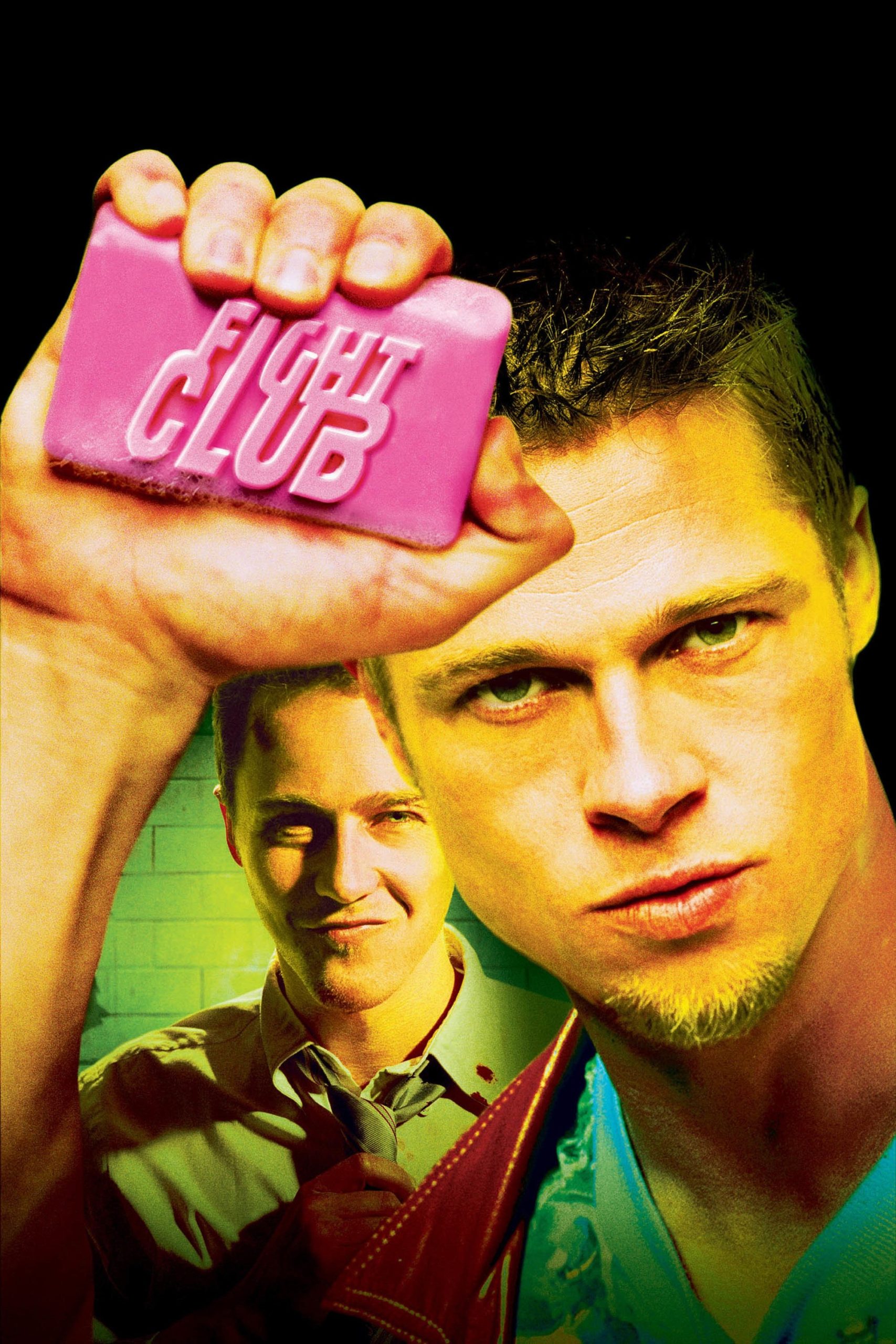
The First-Time Viewing Experience
Seeing “Fight Club” for the first time in today’s world feels like stepping into a vivid fever dream. I vividly remember how my curiosity grew with each shadowy corridor and whispered conversation, sensing I was watching something that wasn’t just designed to entertain, but to prod the edges of my comfort zone. There’s a nervous electricity in the air as the film takes off, intensifying with every new revelation—the kind of feeling I often associate with classic cinematic experiences, where the rules of storytelling feel like they’re being bent in real time. From the start, I was drawn in by how the film dares me to question not only what’s happening on the screen, but also how I engage with my own daily reality. Encountering “Fight Club” today, surrounded by an endless swirl of media and analysis, I felt doubly challenged; both by the story’s immediate impact and by my own desire to understand what drew so many others to debate its meaning long after the credits rolled.
The distinct look of the film struck me first—gritty, kinetic, almost burning with uncertainty. Each scene left me with little time to relax, lulled into a sense of familiarity only to have the rug abruptly pulled out from under me. I remember being both fascinated and unsettled by the unfiltered honesty of the narrator, who stares out from the screen with hollow eyes, inviting me into his suffocating world. My first experience was less about piecing together a cohesive narrative, and more about feeling the weight of contradictory emotions: excitement mingled with confusion, amusement coupled with discomfort, longing mixed with dread. What makes the first viewing of “Fight Club” truly unforgettable for me is its confidence—I never felt pandered to. Each bewildering turn seemed to be there so I could make sense of the chaos on my terms, or perhaps to leave it unsolved, floating like the dust motes in the narrator’s dimly lit apartment.
Watching this movie for the first time in the present day, especially one so thoroughly woven into cultural myths and internet jokes, I found myself surprised by how intimate and immediate it felt. In a sense, I realized how little has changed beneath the surface of our daily lives, how the character’s restless longing and desire for meaning feel as pointed now as they did in the film’s original context. The film almost dares first-time viewers like me to put aside all that accumulated reputation—to step into the world of its deeply flawed, searching characters with fresh eyes. I found that sense of risk, even vulnerability, to be as thrilling as anything happening onscreen.
Emotional Moments That Resonate
One moment I can never quite shake is the scene where the narrator, desperate and drifting on insomnia’s tide, meets the outcasts populating his nightly support group circuit. Something about his quiet, desperate plea for authenticity, for the comfort of being truly seen, resonated with me on a deeply personal level—perhaps because, like many modern viewers, I have felt the pull of disconnectedness in a world that seems increasingly fragmented. There’s a vulnerable beauty in those group circles, an intimacy that I was surprised to find in such a brash, aggressively stylish film.
When the film pivots to the friendship (or perhaps obsession) between the narrator and Tyler Durden, I was swept up in a storm of conflicting emotions. The exhilaration of their rule-breaking camaraderie—the sense that someone has finally come along to ignite the narrator’s stagnant existence—was infectious. Yet, beneath that rush, I felt a mounting unease; there’s an edge to their chemistry that made me question where inspiration blurs into destruction. As first-time viewers, I think we can’t help but feel both drawn to Tyler’s promise of freedom and unnerved by his volatility. The film never allows this tension to relax, and I believe that’s precisely why these moments hit so hard.
Perhaps the most haunting scenes are the quieter, more introspective ones. I remember the moment when the narrator contemplates his IKEA-furnished apartment, rattling off household items as a way of cataloging his identity. The emptiness of it—his search for meaning amidst disposable consumer goods—spoke directly to anxieties I think many viewers carry today. Yet, it was in the chaos of the final act, as the boundaries between self and other, fantasy and reality, began to blur, that I felt the most profound emotional jolt. The realization of just how lost the narrator has become, and the heartbreak that trails his attempts to put things right, lingered with me long after. Watching “Fight Club” for the first time, I felt unexpectedly moved by the film’s compassion for those who feel invisible or broken, even as its surface appearance is cool, cynical, and sometimes brutal.
How to Appreciate This Film Without Prior Knowledge
I often hear that “Fight Club” is tough to penetrate if you don’t arrive already versed in its many influences, cinematic references, or the specifics of late-90s angst. My own experience completely upends that notion. I walked into my viewing with only the vaguest sense of its reputation—”the movie where Brad Pitt and Edward Norton fight each other”—and found that the story unfolded organically, guided less by what I knew beforehand and more by what I felt in the moment. The film plays with expectations and conventions, yes, but it never felt like it was testing or shaming me for not knowing all the answers.
For me, the best way to appreciate “Fight Club” as a newcomer is simply to let the film wash over you, to give yourself permission not to try to decode everything in real time. I took advantage of the film’s unpredictability, using those twists and turns as cues to reflect on how I reacted emotionally at each stage. Instead of chasing the underlying message in every scene, I tried to focus on the lived experience of the characters: their fear, confusion, and hope. The visual energy and emotional stakes draw you in, and you never need a background in philosophy or film theory to connect with their journey.
I found that some of my most rewarding moments came from leaning into the ambiguity. When the narrative seemed to fracture or contradict itself, I reminded myself that this was part of the point—the film wants us to feel the narrator’s disorientation, to wonder alongside him what’s real and what’s not. Even on my first viewing, with no guideposts but my own intuition, I discovered that what mattered most was the authenticity of my response. “Fight Club” doesn’t require expertise; it rewards open-mindedness and honesty, two things that any viewer can bring to their seat. I loved being surprised, letting my own interpretations evolve minute by minute, and finding new connections that felt uniquely my own.
My advice for any first timer is to listen, watch, and most importantly, feel. Don’t worry about the film’s cultural baggage or try to fit every element into a neat box. Trust that your confusion, laughter, discomfort, and excitement are valid—those emotions form the heart of a first viewing, and they are more than enough to carry you through.
Who This Film Is Best Suited For
- Curious discoverers—if you love peeling back layers, uncovering what’s hidden beneath the surface, and aren’t afraid to entertain uncomfortable questions about identity and society, I found “Fight Club” endlessly rewarding.
- Lovers of visual storytelling—if what animates your passion for film is unique style, bold cinematography, and a willingness to experiment visually, this movie’s hypnotic energy and gritty textures will captivate you as they did me.
- Those seeking emotional catharsis—if you’re looking for a film that will shake loose old habits of thought, make you feel deeply, and linger in your mind long after it’s over, I experienced “Fight Club” as an intense, cathartic journey—one that left me changed, even if I couldn’t always articulate exactly why.
A Beginner’s Final Recommendation
If you’re considering “Fight Club” as your next classic film experience, I couldn’t encourage you more warmly to give it an honest, open-hearted try. When I sat down to watch it for the first time, I brought with me all the skepticism and curiosity that comes from hearing a film hyped endlessly by friends, critics, or memes. Instead of being overwhelmed by reputation, I found my own way into its world through the things that resonated personally—its questions about what makes us feel alive, its depiction of loneliness and longing, its unsparing honesty about the confusion of finding oneself in adulthood.
This isn’t a film that pretends to have easy answers. Instead, I discovered that its true gift is in the journey: the confusion, exhilaration, frustration, and insight that comes from surrendering to its wild rhythms. For beginners, I think this is a rare and wonderful kind of film—one that trusts you, as a new viewer, to make your own discoveries, to encounter truth in unexpected places, and to finish with more questions than you began. Watching “Fight Club” today, I was struck by how vital and relevant its core dilemmas remain; I felt that it was speaking directly to all the tangled, messy textures of modern life.
My advice? Watch bravely, ask your own questions, and remember that feeling unsettled is part of the process. There’s no single right way to respond, and nothing you bring to the film—whether you’re a longtime movie lover or a complete newcomer—will be inadequate. “Fight Club” rewards sincerity, honesty, and a willingness to sit with discomfort. For me, that first encounter was a reminder that the best films are not puzzles to be solved, but invitations to see the world—and myself—anew. If you dare to meet the film on its own terms, I believe it will meet you exactly where you are. That’s where the magic, for me, truly began.
To understand whether timeless appeal still resonates today, modern reassessments are worth exploring.
🎬 Check out today's best-selling movies on Amazon!
View Deals on Amazon