Why This Film Is Beginner-Friendly
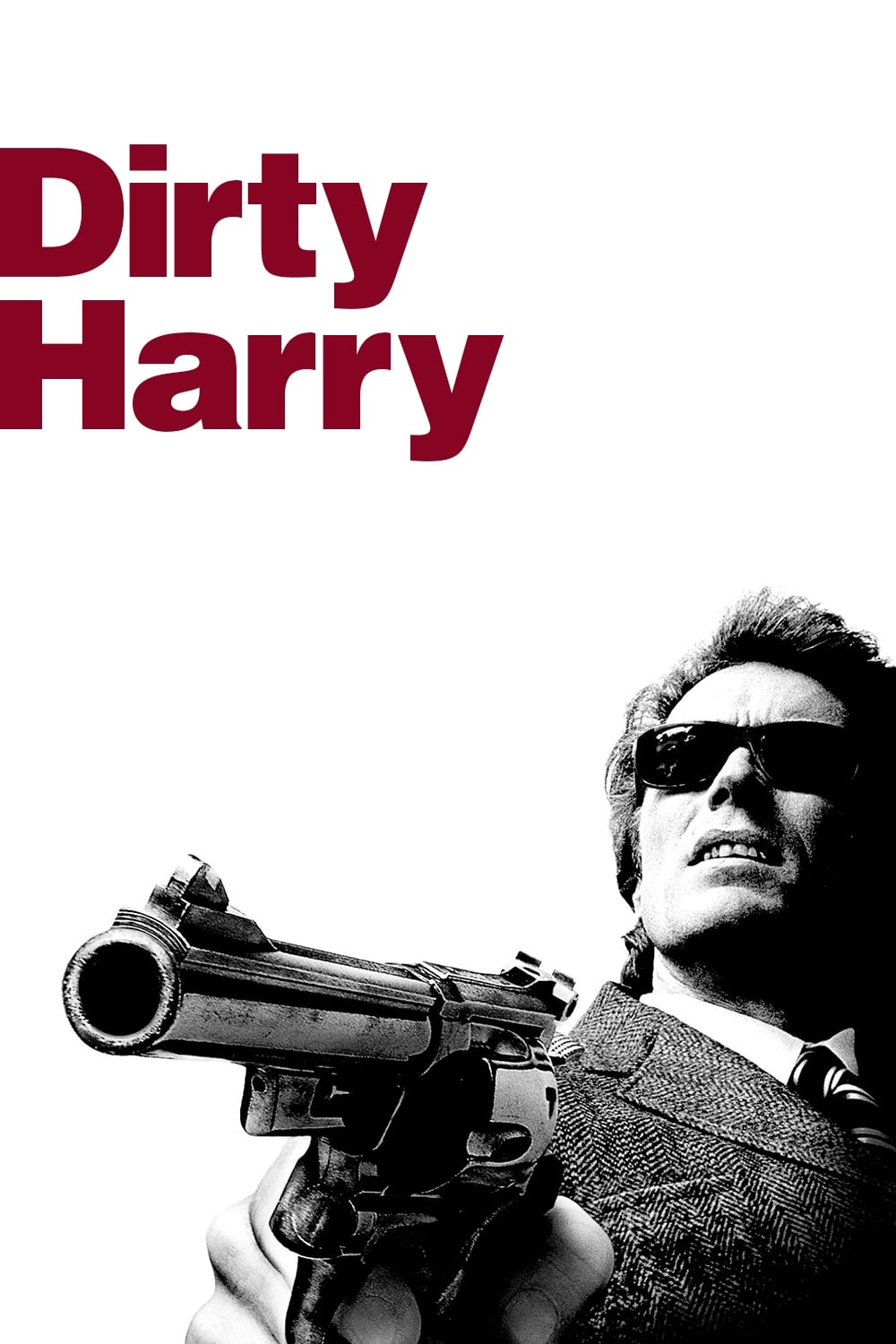
When I first sat down to watch Dirty Harry, I wasn’t sure how I’d feel about an older cop drama, especially given how often people referenced its tough-guy reputation. But what surprised me was just how welcoming the film can be for someone dipping their toes into classic movies for the very first time. The story is immediately gripping, with clear stakes and a protagonist who, even with decades between the film’s release and my viewing, hooked me from the start. There was never a moment where I struggled to “catch up” or felt left out of the action—this is one of those classics that feels more modern than its age might suggest. I never had to be an expert in cinema history or 1970s culture to understand why the main character moved the way he did, or why his lines became so famous. The dialogue is iconic but easy to follow, and the plot isn’t weighed down by complicated subplots or artistic ambiguity that can sometimes make other older films feel intimidating. I found myself swept up almost instantly, which made me realize it’s an ideal entry point if you’re just starting your journey into classic cinema.
What to Know Before Watching
- While the film jumps right into the action, I picked up on a sense of style that reminded me this wasn’t a recent release—expect a grittier, grainier visual quality that’s quite different from today’s crystal-clear movies.
- The pace might feel slower at times, especially in building suspense. Dirty Harry spends time lingering on scenes and letting tension build. It gave me space to get comfortable with the characters, but if you’re used to non-stop action, it can feel deliberate.
- Violence and moral ambiguity caught me off guard. Back when it was released, some of the action scenes were shocking—and even today, they can feel intense. The film doesn’t always give easy, clear answers about right and wrong, which surprised me as someone used to more clear-cut heroes and villains.
- I noticed the city became its own character. San Francisco’s streets, rooftops, and skyline are shot in a way that made me feel like I was right there in 1971, and sometimes the gloomy, atmospheric look almost made the setting upstage the plot.
- The music is unique and stood out to me. Jazz-inspired and slightly haunting, it isn’t what I expected, and it shaped my experience of suspense in the film.
Key Things to Pay Attention To
While watching, I found that my attention was pulled again and again to the main character, Harry Callahan. It’s hard not to be drawn in by Clint Eastwood’s performance, which almost feels effortless in its coolness but also reveals the burden Harry carries. Instead of just following the plot point to point, I paid close attention to Harry’s facial expressions, his clipped way of speaking, and how he moves through his city—each detail told me something about his state of mind as much as the dialogue did. I noticed the way tension built up in ordinary settings: a street, a diner, a rooftop. There are long stretches where very little is said, so I had to “read” the story through glances, posture, and even the pauses. This was different from what I’m accustomed to in modern movies that spell everything out, and it encouraged me to slow down and notice what was happening under the surface. I also picked up on how the camera lingered on the cityscape, making me realize how important San Francisco was to the feeling of the film. The moral questions the film raises are always present, not just in the dialogue but in how the characters react to danger, follow (or break) the rules, and navigate messy ethical territory. Focusing on these aspects helped me connect with the movie on a deeper level, even though its world is different from today’s.
Common Misunderstandings for First-Time Viewers
- Many people assume the film glorifies Harry’s tough, rule-breaking approach, but I saw how the story challenges—and sometimes critiques—his actions just as much as it celebrates them.
- It’s easy to think that older films can’t be suspenseful or thrilling, but I realized the tension comes from atmosphere and character moments, not just from quick edits or flashy effects.
- Some viewers, like myself at first, might expect a straightforward “good guy vs. bad guy” plot. I soon realized the film’s approach to justice is meant to be complex—it left me thinking about where I stood long after it ended.
Is This a Good Starting Point for Classic Cinema?
I’ve watched plenty of films that felt like homework, movies where I knew I was supposed to be impressed, but I felt a little lost or uninvolved. Dirty Harry was different—there’s an immediacy and an energy that isn’t stuck in the past. I honestly feel it’s a fantastic gateway film, especially if you’re new to the world of older movies. The dialogue is sharp, the lead performance is magnetic, and the action is just raw enough to feel real, even decades later. More than that, I appreciated how it nudged me to think about justice and authority, themes that still matter today. I never got bogged down in unfamiliar cultural references or outdated language—if anything, its style felt fresh and confident in a way that holds up remarkably well. If you’re nervous about “classic” meaning slow, dull, or inaccessible, this movie will surprise you. For me, it’s proof that some films speak across time, offering suspense, character, and plenty to talk about, whether you’re a longtime buff or taking your very first step into classic cinema. If I could go back and choose where to begin, I’d pick Dirty Harry again.
If you’re wondering how this film compares to others that have stood the test of time, these may help.
🎬 Check out today's best-selling movies on Amazon!
View Deals on Amazon