
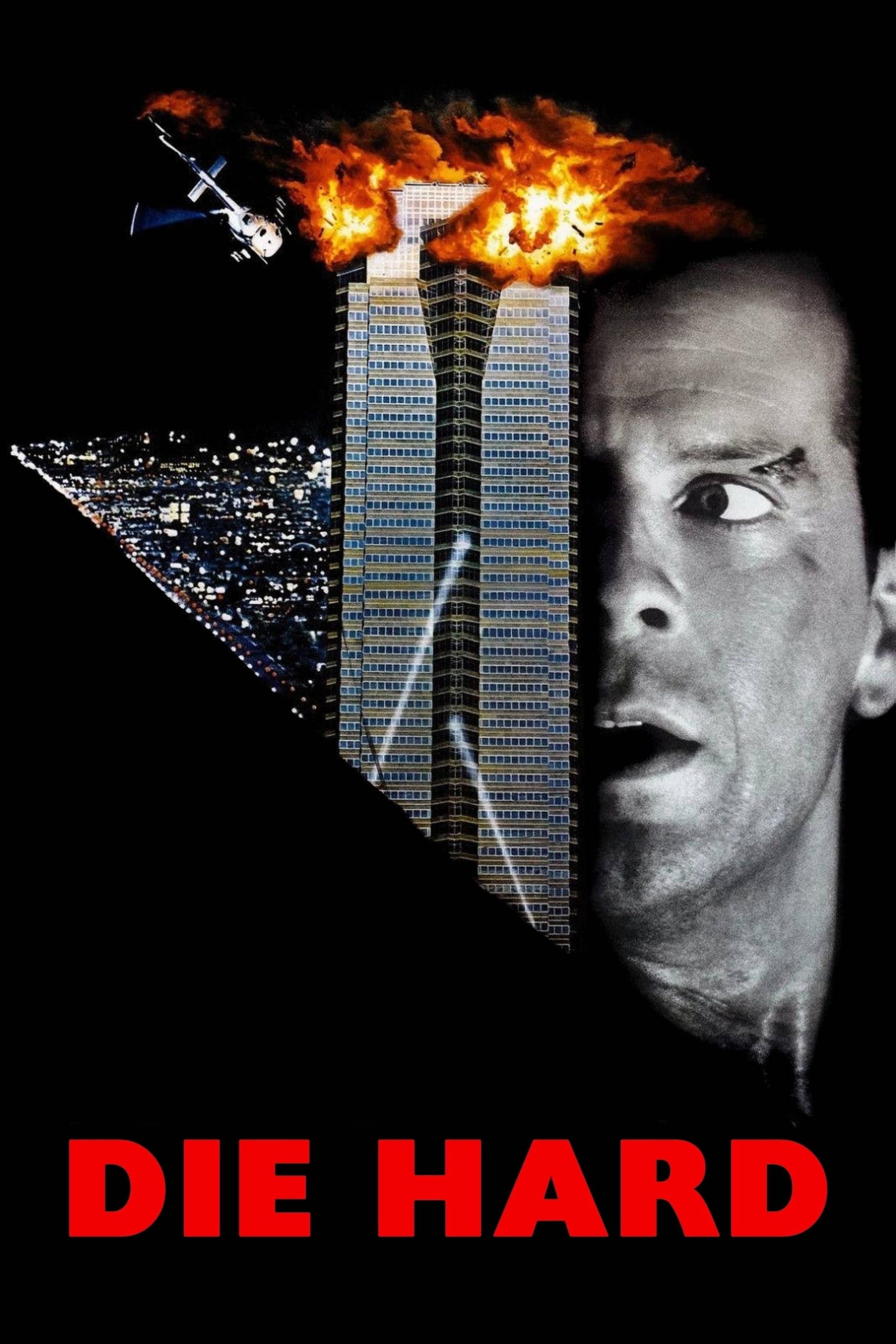
The First-Time Viewing Experience
When I sat down to watch Die Hard for the first time, I’ll admit I was skeptical. Action movies from the late eighties had, in my mind, a kind of bravado and machismo that felt distant from my everyday experiences. Yet Die Hard caught me off balance almost immediately. There’s a physicality that I could feel in my bones—the sweat-slicked palms as John McClane steps out of his shoes, the underground tension pulsing in the neon-lit corridors of Nakatomi Plaza, the fragility beneath tough bravado. Right away, I realized I wasn’t so much watching a standard shoot-em-up as I was being invited into a tightly wound coil of tension and vulnerability.
I think what really struck me on that initial viewing was how every moment felt immediate, urgent, and somehow deeply personal. The stakes were enormous, yes—hostages, violence, lives on the line—but the movie never let me forget that it was one man against a storm, isolated and uncertain. I remember feeling like McClane’s anxieties about family, masculinity, and doing the right thing weren’t props, but threads sewn into the fabric of the movie. As a first-time viewer, each plot twist and near-miss had a physical impact; I found myself rooting for McClane not just because he was the “hero,” but because his fear and exhaustion mirrored my own nervous energy as I watched him navigate chaos.
There’s a kind of breathless pacing that makes Die Hard’s first watch unlike almost any other action film experience. From the minute the villains seize control, I felt enveloped in that unique blend of isolation and claustrophobia. The holiday setting—snow, tinsel, forced cheer—only sharpened the sense of loneliness, making McClane’s struggle for connection all the more poignant. I distinctly remember a deep pang of empathy, recognizing that, beneath all the explosions and mayhem, the fight wasn’t just against the bad guys; it was also a struggle for dignity and family recognition. Never having seen spoilers or iconic scenes in full, I was genuinely surprised by how seamlessly suspense and humor intermingle. The film’s quips and improvisational resourcefulness caught me off guard, generating bursts of laughter at moments I least expected. That emotional whiplash became, for me, the essence of the first Die Hard experience—gritty vulnerability wrapped in the vibrant unpredictability of a Hollywood thrill ride.
Die Hard’s style is so textured and immediate that, even decades later, I felt swept up by its intensity. Watching it today means grappling with not only the choreography, but also the unyielding heartbeat of a man who simply refuses to give up. The earnestness and relatability of Bruce Willis’s McClane made me invest emotionally, while each set piece felt like a conversation between human resilience and the bombastic demands of blockbuster cinema. By the time the credits rolled, I wasn’t just relieved—I felt changed, like I’d weathered a storm alongside a flawed, surprisingly earnest hero.
Emotional Moments That Resonate
As someone who treasures emotional storytelling, I found myself captivated by Die Hard’s ability to cultivate genuine moments of vulnerability amid relentless tension. One scene in particular that still runs chills down my spine is the quiet exchange between McClane and Sergeant Al Powell over the radio. The image of two lonely men—one battered, one burdened by guilt—reaching out for understanding in the dark felt heartbreakingly sincere. There’s a fragile honesty in their confessions that seemed almost out of place in an action blockbuster, but it’s precisely that soft undercurrent that drew me in. When McClane, bloodied and desperate, delivers a message to his wife in case he doesn’t make it out alive, I wasn’t just witnessing bravado—I was glimpsing a private reckoning with regret and love lost. His raw vulnerability caught me unprepared, and for a moment, the gunfire faded into the background.
I also found myself reflecting deeply on the antagonism between McClane and Hans Gruber. Their verbal chess matches ripple with more than just threat—they hum with subtext, wit, and mutual recognition. When McClane realizes he’s up against an adversary matching him in both cleverness and nerve, I sensed genuine fear in his eyes. That fear crystallized the stakes in a uniquely human way. Instead of a faceless villain, Gruber’s smirk and calculated charm forced me, as a viewer, to appreciate the slippery boundaries between good and evil in moments of crisis.
Even the smallest gestures reverberated emotionally. Watching McClane’s battered feet, wrapped in torn fabric, limping across broken glass, I was awash with empathy—and awe. That image left an indelible impression, symbolizing the sacrifices endured not just by fictional heroes, but by anyone who’s ever been pushed to their physical and emotional limit. The juxtaposition between his unglamorous pain and Hollywood spectacle made the drama more intimate and the danger more tangible.
And then there’s the finale—a bittersweet release. The reunion of McClane and his wife amid the ashes of chaos unfolded with such weary affection that it felt less like a victory lap and more like a moment of forgiveness. The exhaustion in their eyes, the palpable sense of “what now?” rang true to me as someone invested in honest character-driven moments. I experienced a swell of hope, tinged by the pain that preceded it. Instead of triumph, the emotion was relief and reconciliation, resonating powerfully even amidst the fireworks of the closing shot. That’s the gift Die Hard gives first-time viewers—it weaves tremors of genuine feeling through the high-wire act of spectacle, grounding the excitement in deeply relatable humanity.
How to Appreciate This Film Without Prior Knowledge
I sometimes worry that classic films require a guidebook or some hidden cultural decoder ring, but Die Hard swept away those anxieties almost instantly. From my perspective, the beauty of experiencing this film as a newcomer lies in its universality. I never needed to study action movie tropes or know the careers of the cast; the movie’s sincerity carried me along. Willis’s McClane is immediately accessible—scrappy, reluctant, reacting not as an archetype, but as an insecure, clever, increasingly desperate man who could be any of us. I didn’t have to understand eighties politics or film history. The stakes—family, redemption, surviving against all odds—are timeless, and they spoke directly to my emotions.
If anything, I found that knowing less actually heightened my engagement. Each twist in the story, each improbable ally, each spark of humor caught me genuinely off guard. The lack of baggage meant every character beat and moment of suspense was fresh and immediate. Even the much-memed moments, which I’d seen in passing online, took on new life when experienced in their original context. The script’s humor landed because it wasn’t about in-jokes or cultural references—it grew out of McClane’s mounting frustration and gallows humor. I found myself laughing along not because I “got” a reference, but because I recognized the absurdity of the human predicament on display.
What helped me most was simply allowing myself to be swept up by the film’s blend of ordinary anxiety and extraordinary circumstance. If you’ve ever felt out of place at a party, if you’ve ever worried about saying the wrong thing to someone you love, you’ll find yourself in McClane’s shoes. As I watched, there was no need to pause for context or untangle subtext—I felt, I reacted, and I rooted for him instinctively. Die Hard doesn’t demand cinematic expertise; it offers an invitation to empathize, to tense up, to laugh and wince and cheer, all in the moment. That firsthand, visceral experience is what made my own viewing memorable, and it’s where I think new audiences will find delight, regardless of prior exposure to action cinema or 1980s culture.
Who This Film Is Best Suited For
- Viewers who appreciate emotionally layered thrillers and want to feel both suspense and empathy in equal measure
- Anyone who’s ever shied away from action movies, but is secretly curious to see what all the fuss is about
- Those who enjoy movies that balance grounded, everyday struggles with memorable humor, relatability, and a dash of popcorn excitement
A Beginner’s Final Recommendation
Watching Die Hard for the first time made me confront my own assumptions about what a “classic action movie” could be. I expected relentless explosions and clever one-liners, but I didn’t anticipate such depth of feeling or the way vulnerability becomes a kind of armor for the film’s unlikely hero. As someone stepping into this story with fresh eyes, I felt welcomed—not tested or excluded—by the film’s heartfelt interplay between chaos and connection. Every time McClane’s spirit faltered, the movie reminded me that even in wild, impossible circumstances, resilience and humor can carry us through. There’s something cathartic about rooting for someone who isn’t invincible, but instead rises, inch by inch, against enormous odds. That sense of triumph isn’t reserved for battle-hardened action fans; it’s a universal pleasure, waiting for anyone willing to dive in.
If you’re on the fence, let me assure you: your lack of expertise is your greatest asset. You’ll be able to experience the shocks and reversals as they were meant to be felt—without cynicism or the weight of pop culture baggage. Allow yourself to meet McClane where he is: anxious, hesitant, unprepared. Let the film’s energy and honesty sweep you up. Don’t worry about memorizing names or tracking every stray bullet; the heartbeat of Die Hard is that magic blend of honesty, adrenaline, and hope. That’s the rarest thrill movies can offer, and it’s especially alive for first-time viewers.
To understand whether timeless appeal still resonates today, modern reassessments are worth exploring.
🎬 Check out today's best-selling movies on Amazon!
View Deals on Amazon