
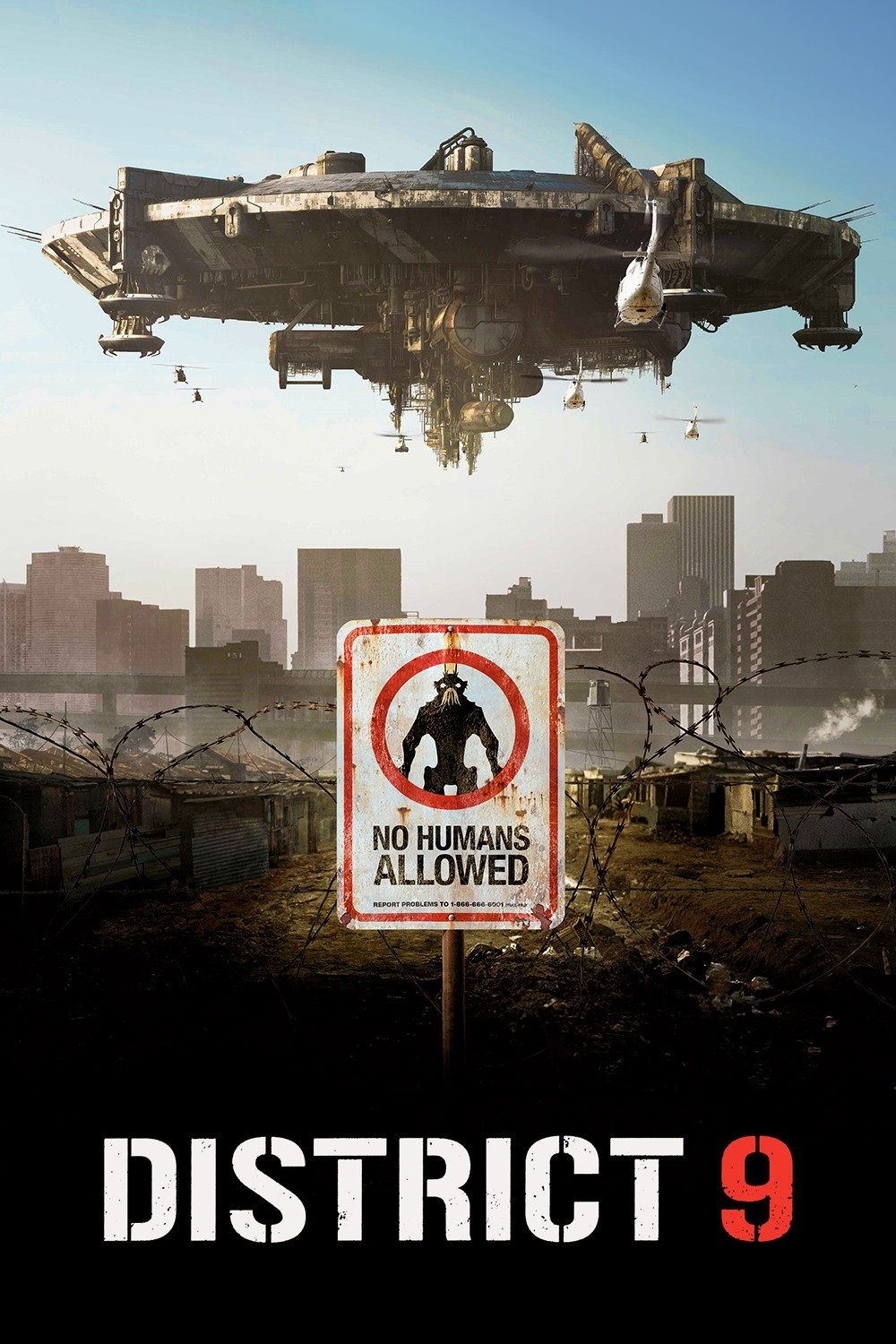
The First-Time Viewing Experience
When I first sat down to watch “District 9,” I remember the peculiar swirl of emotions that tumbled through me even before the opening sequence finished unraveling. There’s something transformative about encountering a film that refuses to tuck itself neatly into the categories I’d expect. I didn’t know what shape the story would take, but the found-footage documentary style instantly pulled me in—not with comfort, but with a strange, compelling unease. I was acutely aware of my own prejudices and expectations about the science fiction genre; I thought I’d seen allegories before, thought I could tell where moral lines would be drawn. “District 9” impatiently swept past those expectations. It’s not hyperbole to say that, for a moment, my ideas about aliens, humanity, and even the nature of apartheid (a subject I felt familiar with only in a textbook sense) felt unsteady, as if the very floor beneath my imagination was shifting. For a first-time viewer today, I think that sense of surprise remains palpable. The tactile grime and the desperate energy of the setting do not feel dated; instead, right from the start, I found myself paying attention, almost hyper-aware. The boundaries between right and wrong, rescuer and oppressor, blurred with alarming speed, and I was left scrambling to find my footing. This shakiness, I think, is exactly what makes the experience so evocative—each moment feels as raw and unpredictable as the world I see on the screen.
Something about the way the narrative is structured—jumping between pseudo-news broadcasts and frantic handheld urgency—made me feel like I was dropping uninvited into a crisis unfolding at this very instant. Despite its 2009 release, the anxieties, the protests, the general sense of unease reminded me uncomfortably of the world outside my window. I vividly recall my fingers tightening on the armrest, at points uncertain whether I wanted to root for or recoil from the protagonist. As the film progressed, the self-assured analytical side of me was gently sidelined by the feeling of being a witness to something volatile and alive. I didn’t have time to settle into comfortable distance; instead, I was swept up, forced to confront emotions I wasn’t expecting to have toward a genre film—especially one that features bug-eyed extraterrestrials at its center.
I found myself grappling with how deeply invested I was becoming, not just in the fate of characters called “prawns,” but in the collapsing morality that swirled around them. What struck me profoundly was how the film’s rough edges, its faux-realist style, and its relentless momentum mirrored the messiness of humanity itself. For someone watching “District 9” for the first time today, I honestly don’t think the effect is dulled by time or changing tastes. I suspect, like me, most modern viewers will feel unmoored—perhaps even rattled—by how contemporary its anxieties remain. The first hour alone, with its sudden outbursts of violence juxtaposed with moments of genuine tenderness, left me paradoxically drained and invigorated. I emerged from that first viewing changed, feeling as if I had just witnessed, rather than passively watched, a story. That is not something I feel often, and it’s my hope that those new to the film will allow themselves to be swept up in the same visceral storm of discovery.
Emotional Moments That Resonate
Several scenes from “District 9” have seared themselves irreversibly into my memory, not because they rely only on high-stakes action or grand gestures, but because of how they managed to unearth something deeply human amidst the dust and debris. One moment in particular, involving Wikus—the everyman bureaucrat caught up in catastrophe—shook me through and through. As his identity begins to unravel, not just in the eyes of others but before his own, I felt a pang of recognition. The idea of suddenly becoming “other,” of being discarded by the systems that once protected me, reminded me just how thin the veneer of security can be.
The film’s depiction of fatherhood—specifically, the tender, aching gestures between Christopher Johnson and his son—brought a lump to my throat in a way I never expected from a movie whose marketing seemed preoccupied with aliens and gunfire. Even in the most hostile environments, moments of quiet connection bloom. I was startled at my own emotional response: my eyes pricked when Christopher’s paternal motivations became clear, when the sacrifices he contemplated were not heroic in the grand tradition of sci-fi, but deeply intimate and heartbreakingly familiar. The alienness receded, and empathy surged forward unimpeded.
What remains just as stirring for me, even after repeat viewings, is how the human characters—especially Wikus—veer between cruelty and compassion in ways that feel genuine. There’s a scene, late in the film, where Wikus makes a choice despite the odds, moved not by heroics but by the barest flicker of remorse and the desperate hope for redemption. In that moment, I felt the crushing weight of regret and the beat of hope, colliding like weather systems. The emotional crescendo is subtle, but devastating: it’s not a tidy epiphany, more like the slow, painful thawing of a conscience.
For viewers new to “District 9,” I can all but guarantee that these moments—when violence gives way to vulnerability, and when the film dares to ask where our humanity truly lies—will stick with you long after the screen fades to black. Modern audiences, I think, are still hungry for stories that acknowledge how complicated, even contradictory, our reactions can be to suffering and injustice. This is a film that meets that hunger without flinching. I left my first viewing not only reflecting on its narrative, but on my own capacity for empathy, and on the fragile boundaries I draw—sometimes too hastily—between myself and others.
How to Appreciate This Film Without Prior Knowledge
One of the revelations for me upon discovering “District 9” was how freeing it was not to be burdened by the need for encyclopedic background. I did not know every reference, nor did I grasp the intricacies of South African history beyond the broad facts. Still, the film spoke to me on a level that transcended specifics. I quickly learned that my experience—raw, unfiltered, and at times confused—was not a drawback. The lack of context didn’t prevent me from becoming engrossed; if anything, it heightened my engagement, giving space for my own questions and responses to rise up organically.
I sometimes hear new viewers worry that they won’t “get it”—that layers of allegory or the specifics of the allegorical backdrop will become an obstacle. That certainly wasn’t true for me. “District 9” wore its unease openly, using the language of science fiction not as a puzzle to be solved, but as an invitation to empathy. I wasn’t required to decode every symbol; instead, I only had to trust my gut reactions to its injustices, its flashes of humor, its moments of profound awkwardness and fear. The images and actions spoke as loudly as any subtext could.
Even the visual chaos—the handheld camera, the frenetic cuts between documentary and narrative styles—felt more immersive for me as a newcomer. I experienced the confusion and the urgency in real-time, just as the characters did. I suppose that’s what makes “District 9” so immediate: it never lets me drift off, never allows comfort or complacency to settle in. Every twist, every raw edge, is not for the expert but for the first-timer who is willing to step into an unfamiliar world with open eyes. I tell friends who hesitate that, in this film, what matters isn’t knowledge, it’s willingness: to be stunned, to be unsettled, and to discover meaning without needing to have all the answers upfront.
Who This Film Is Best Suited For
- People who crave thought-provoking, emotionally charged science fiction—viewers who look for more than just spectacle and are drawn to stories that challenge the boundaries between “us” and “them.”
- Those who value films that dig into social issues through provocative metaphors, and who appreciate cinema that doesn’t shy away from moral messiness or ask easy questions.
- Newcomers to classic or modern sci-fi alike—anyone who might shy away from “genre” movies thinking they are only about special effects but secretly wonders if there might be something more profound beneath the surface.
A Beginner’s Final Recommendation
Looking back on my first encounter with “District 9,” what stays with me isn’t a catalog of plot twists or dazzling visuals (though both are plentiful). It’s the unsettled awe—the sense that I had walked through a doorway into a version of our reality just a few steps removed from my own, but altered in ways that laid bare the best and worst of what it means to be human. I found myself wrestling with complex questions about identity, prejudice, and moral courage, often when I least expected them. These are questions I never had to rehearse for; they arrived unannounced, shaped by the story unfolding on screen and by my own willingness to see myself, for a moment, in someone else’s place—even if that someone arrived from another planet.
If you’ve ever felt anxious at the idea of tackling a “classic” film, or worried that its relevance may have faded, I want to assure you: “District 9” is not a relic. It pulses with life, anger, and heartbreak. I did not need to prepare, study, or bring any sophisticated framework with me. All I needed was openness—a readiness to feel something genuine, to be surprised, and to let myself care. Should you find yourself hesitant at that first frame, remember that the film welcomes your confusion, your discomfort, and even your skepticism. Each moment of uncertainty is, in its way, an invitation to deeper connection—not just with the characters, but with your own unexamined beliefs and fears. That, to me, is the irreplaceable gift of watching “District 9” for the first time. I hope you allow yourself that same immersive, urgent, and totally unforgettable journey.
To understand whether timeless appeal still resonates today, modern reassessments are worth exploring.
🎬 Check out today's best-selling movies on Amazon!
View Deals on Amazon