Why This Film Is Beginner-Friendly
The very first time I watched George A. Romero’s “Dawn of the Dead” from 1978, what struck me most wasn’t just the imaginative use of zombies or the bold splashes of color—it was how approachable the entire experience felt for someone who hadn’t seen many so-called “classics.” I remember worrying that a film considered a classic would be stuffy or impenetrable. To my surprise, this was the furthest thing from it. This film grabs you from the first frame—it doesn’t let you get lost in film history or bog you down with complicated artistic references. It was direct, intense, and I could follow it without any prep work.
I know many first-time viewers feel a bit uneasy about jumping into older horror movies. “Dawn of the Dead” opened my eyes to the fact that a movie can be both a snapshot of its era and still feel thrilling and relatable decades later. Romero’s style is blunt, immediate, and easy to “read”—he wants beginners like us to experience gut reactions, not just admire from a distance. The story, about a handful of people trying to survive a zombie outbreak by hiding in a shopping mall, is simple enough for anyone to latch onto. It delivers straightforward suspense and even a little dark humor without requiring you to be an expert on 1970s culture or cinema. Its mix of chaos and humanity really reminded me how a classic can connect with you on your first watch, instead of requiring repeated viewings or studying up beforehand.
What to Know Before Watching
- Historical or stylistic elements that may feel unfamiliar: When I first put on this film, I noticed how different the visuals felt compared to modern horror movies. The special effects—especially the makeup and blood—look more stylized and less realistic than what we might expect today. I found that the film’s slightly grainy picture and vivid colors gave it a handmade, tangible quality that’s actually pretty charming once you settle into it. The score by Goblin (and a variety of other library music) is also totally unlike the moody, orchestral soundtracks of current horror films; I caught myself smiling at the strange, almost playful energy some of the music brought to the chaos.
- Pacing or storytelling differences from modern films: One thing that stood out for me was the pacing. The movie doesn’t rush—sometimes, it lingers on everyday life inside the mall or spends time with the characters doing seemingly mundane things. At first, I thought this might make me lose interest, but instead, it helped me get to know the main characters so much better. These quieter stretches only made the bursts of action feel more intense, even if the overall rhythm felt alien compared to faster, jump-cut heavy movies made now.
- Anything that might surprise new viewers: I’ll be honest: I wasn’t expecting how much this film blends horror with sly humor and social commentary. There are scenes that made me laugh out loud—even as they made me think about consumer culture, loneliness, and survival. I also didn’t realize how impactful the film’s relatively low budget would feel; there are moments when the practical effects look “fake” by today’s standards, but watching the actors commit to their performances turned these moments into part of the film’s odd charm, at least for me.
Key Things to Pay Attention To
Whenever I sit down with a classic film, I try to tune in to what the filmmaker seems to care about most. With “Dawn of the Dead,” I quickly realized that Romero invites you to watch the main characters evolve under stress. I found myself watching for the way their relationships shift—how fear, boredom, and hope all mix together while they hide from chaos just outside the mall’s automatic doors. I tried to pay close attention to Peter and Francine (two of the main survivors), not just in the “big” moments, but in their quieter exchanges and glances. It’s in these smaller moments that I started to feel what it might be like to try to rebuild some version of “normal life” in an impossible situation.
I also found it fascinating to watch how the film uses the shopping mall itself—not just as a hiding place, but almost as a character. I noticed how the survivors slowly turn this monument to consumerism into their little kingdom, and that made the action scenes inside the mall even more pointed. Every sweep of the camera across store windows and mannequins felt like a comment on how easily ordinary things can become surreal or nightmarish when the world falls apart. Watching how the camera lingers on groups of zombie “shoppers,” behaving almost like they’re still alive, gave me more to chew on than all the simple scares combined.
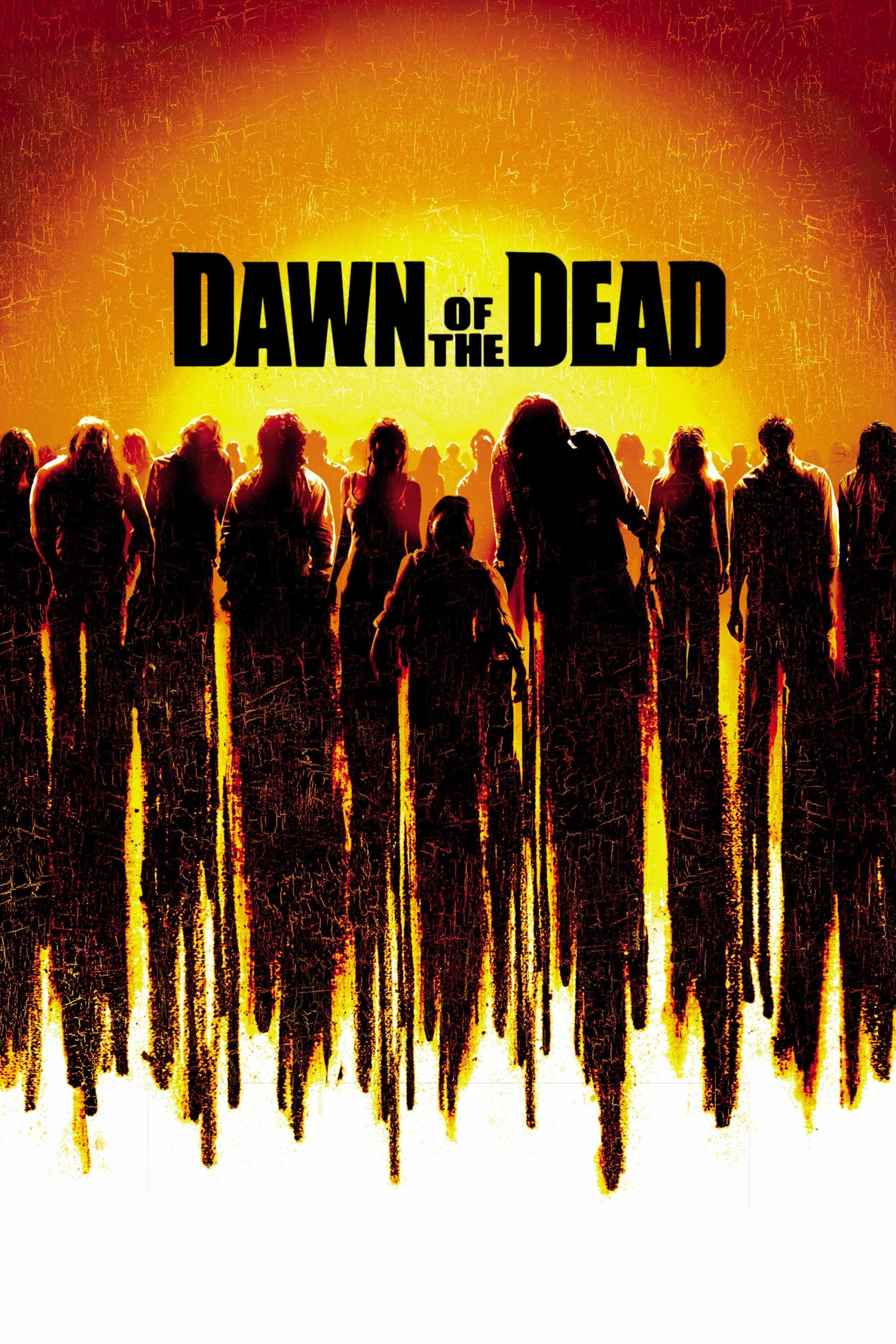
Visually, I always encourage myself (and other beginners) not to get too hung up on how real—or unreal—everything looks. I let myself be swept up by the bold splatters of paint-like blood and the eerie lighting. Romero’s style isn’t about subtlety; it’s about making you FEEL, and it’s okay to react honestly, whether that means laughing, getting grossed out, or pausing to think. I think films like this are best enjoyed when you trust your gut and stay open to whatever emotional ride the movie takes you on.
Common Misunderstandings for First-Time Viewers
- It’s “just another zombie movie” – I used to assume this myself, before I watched it. At first glance, “Dawn of the Dead” might seem like anything else from the zombie genre. I quickly found out this film isn’t just about monsters—it’s about people and their attempts to carve meaning out of chaos. For me, the zombies are more of a backdrop; the film is actually interested in how ordinary people respond, break down, or bond in a crisis.
- Special effects aren’t “good enough” – That was my first impression too. When I saw the brightly colored makeup and blood for the first time, I remember thinking it looked cartoonish. But as I kept watching, I realized this “fakeness” is actually part of the film’s impact. It’s one of those things you learn to love—special effects that remind you movies don’t need CGI or graphic realism to be powerful or memorable. The emotion and energy make up for anything that might look dated.
- It’s only meant to be “scary” – I changed my mind about this very quickly. I expected nonstop fear, but what I found was a clever blend of humor, suspense, and even weirdly cozy moments. Romero’s world is grim, but he lets you see flashes of absurdity and even hope. I ended up rooting for the characters and laughing at scenes that poked fun at 1970s culture, which I never expected from a so-called horror classic.
Is This a Good Starting Point for Classic Cinema?
If you’re dipping your toes into classic movies for the first time, I honestly can’t think of a more welcoming entry point than “Dawn of the Dead.” My own experience was filled with surprise and genuine enjoyment—I never felt like I had to “study up” or know a bunch of film history to understand what was going on. There’s an immediacy and emotional honesty here that makes it perfect for beginners. When I finished the film, I felt energized instead of intimidated. I realized classic cinema isn’t always about quiet dramas or black-and-white imagery; sometimes it’s about wild, creative stories that are just as gripping as anything you’d find in a modern blockbuster.
Watching “Dawn of the Dead” as one of my first classics opened a new world to me. It showed me how a film can blend scares and laughs, big ideas and honest emotion, all while staying totally watchable. If you’re someone who loves movies that keep you guessing, characters that stick with you, and stories that dare to say more than what’s on the surface, I truly believe you’ll find this movie welcoming. It’s the kind of film that grows richer the more attention you give it—but it never punishes you for just wanting a fun, unsettling ride. I’d encourage anyone nervous about classic films to give this one a try; for me, it turned out to be the boost I needed to seek out more great classics without fear.
If you’re wondering how this film compares to others that have stood the test of time, these may help.
🎬 Check out today's best-selling movies on Amazon!
View Deals on Amazon