
Why This Film Is Beginner-Friendly
The first time I encountered “Come and See,” I had been dipping my toes into classic world cinema, uncertain which film might welcome me in without feeling overwhelmingly dated or impenetrable. I was surprised by how immediate and emotionally charged the movie felt, even though it was released decades ago and in a language I don’t speak. What struck me most was how the film’s raw portrayal of war made it instantly relatable; the emotions on the actors’ faces needed no translation. Despite its reputation as a powerful and intense experience, I actually found that “Come and See” didn’t require any prior background in classic film to draw me in. The filmmaking style, while visually unique, places you directly inside the perspective of a young boy – and that focus felt far more accessible to me than I expected. I appreciated that I didn’t need to know Soviet history or film theory to understand the story’s impact. There was a directness to its imagery, performances, and pacing that made it a surprisingly gripping introduction to movies from another era.
For anyone intimidated by the thought of ‘art house’ or foreign language classics, my experience with “Come and See” proved that a deeply affecting film doesn’t depend on a viewer’s expertise. It works not because of technical mastery (though it certainly has plenty), but because, from the first moments, you’re invited to experience everything through the eyes of a teenager enduring events beyond comprehension. As a beginner, I found this perspective-oriented storytelling both engaging and straightforward: I could simply watch, listen, and feel – without having to decipher any hidden layers or references. In my view, it’s a testament to how classic cinema can transcend its time and place to communicate pure emotion, making this film much more beginner-friendly than its reputation might suggest.
What to Know Before Watching
- There’s a strong sense of realism in both the setting and performances that’s quite different from modern war movies, which can feel more stylized or ‘Hollywood’ in their approach. The film is famous for making you feel like you’re right there with the characters, almost as if you’re experiencing everything firsthand. If you’re new to classic cinema, this unpolished realism might feel unfamiliar yet very immediate.
- The pacing in “Come and See” sometimes lingers, allowing moments to unfold slowly, which I found creates a powerful, immersive build-up. It doesn’t follow the rapid editing or quick storytelling that’s common today. Instead, I felt drawn into the characters’ environment: the world felt unpredictable, with periods of tense waiting interrupted by bursts of heartbreaking action. For a first-time viewer, it pays to be patient and let the movie’s mood envelop you.
- One of the things that caught me off guard was just how direct and intense the film’s imagery could be. There are scenes that are emotionally raw and visually unforgettable. If you expect older films to be less graphic, prepare for a film that pulls no punches – yet does so with purpose, not shock. I found the intensity essential to its honesty, but it may surprise new viewers used to sanitized portrayals of history.
Key Things to Pay Attention To
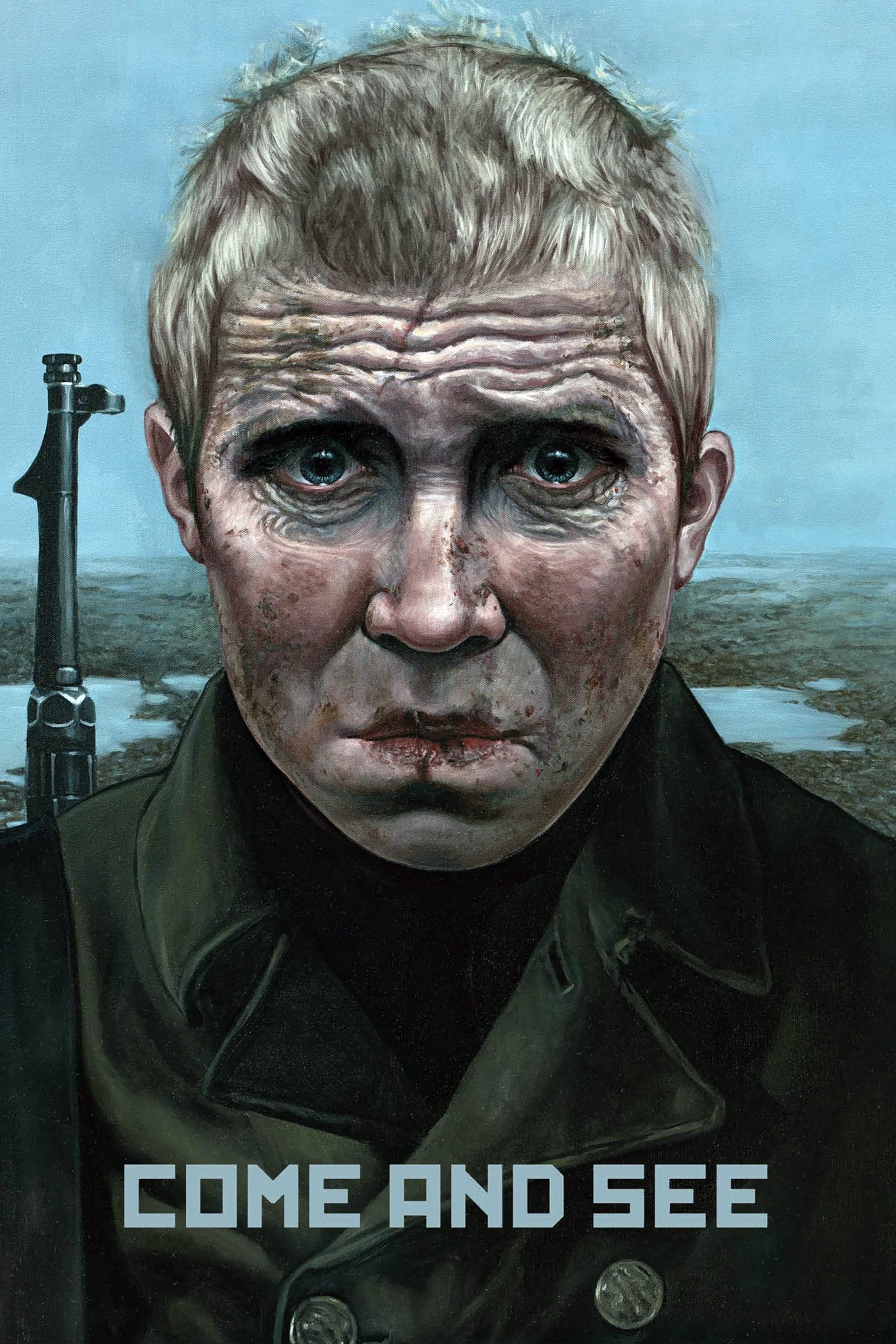
Whenever friends ask me how to approach “Come and See” as a first classic film experience, I always emphasize the importance of watching it through the eyes of its main character, Florya. To me, the story is less about understanding every historical detail and more about immersing yourself in the emotions of a teenager grappling with the chaos around him. I made a conscious effort to focus on how his expressions changed scene by scene, especially his eyes – the film is remarkable at capturing the shades of fear, hope, innocence, and trauma across his face. I’d recommend first-time viewers tune into those small, human details because they are the heart of the film’s message.
Another aspect I try to highlight is the visual artistry. Even with minimal experience in classic films, I could sense how every frame seemed packed with meaning. The director uses the camera almost like another character – sometimes hovering behind Florya’s back or framing him in landscapes that feel overwhelming. When watching, I found it rewarding to notice how the environment seems to press in on the characters, turning forests and fields into backdrops for quiet tension or sudden horror. For me, these visual choices tell as much of the story as the dialogue.
I’d also recommend paying attention to the emotional build-up without searching for answers right away. The film is masterful at creating an atmosphere; sounds, silences, and even the absence of background music signal shifts in mood. I realized that letting myself simply absorb the mood, instead of trying to piece together every plot detail, helped me connect more deeply. If you focus on the reactions, the small moments of kindness or despair, and the overall sense of immersion, you’ll find plenty to appreciate – even if some scenes are hard to watch. In my experience, this emotional directness welcomes beginners into the world of classic cinema by making the film feel immediate and alive.
Common Misunderstandings for First-Time Viewers
- Misunderstanding 1 – Some people I’ve talked to expect “Come and See” to be a traditional war movie full of battle scenes and action. In my experience, it’s not a film about tactics or heroism in the Hollywood sense. It’s focused much more on the personal effects of conflict, especially on young civilians. What stood out to me was the emotional, often surreal journey rather than a straightforward narrative of combat.
- Misunderstanding 2 – When I first saw the film, I was bracing myself for heavy-handed propaganda because of its Soviet origins. What I actually found was a deeply human story that, while anchored in a particular time and place, doesn’t simplify any side into absolute good or evil. The suffering is real and complex. In my view, reducing the movie to a piece of state messaging misses its universal message about the cost of war on the young and innocent.
- Misunderstanding 3 – The dreamlike or even nightmarish moments can leave new viewers guessing whether what’s happening is real or symbolic. My advice: go with the film’s flow instead of trying to decipher every surreal sequence. When I relaxed my need for concrete answers and simply absorbed the emotional truth of each moment, the movie became far more moving and clear, even when it blurred the line between reality and nightmare.
Is This a Good Starting Point for Classic Cinema?
From my own journey into classic movies, I can honestly say that “Come and See” is an extraordinary starting point – as long as you’re ready to engage with its emotional weight. I was grateful that my first step into this world didn’t require expertise, only empathy and openness. The film’s modern sensibility, raw performances, and universal themes meant I could connect even without knowing much about Soviet history or war films in general. I had worried that older movies might feel distant or irrelevant; instead, I found myself completely drawn in, recognizing feelings and fears that transcend any particular decade or country.
If you approach “Come and See” out of curiosity and give yourself permission to feel rather than analyze, you’ll encounter a film that is as direct as it is powerful. I believe it stands as proof that classic cinema can be not just accessible, but deeply moving for anyone, including complete newcomers. Don’t be put off by its reputation for intensity – I discovered that its honesty is what makes it welcoming. In my view, this movie offers a rare opportunity to experience the qualities that make classic films enduring without needing a guidebook or film-school background. If you’re new to this world, let “Come and See” be your entryway: it’s a film that will stick with you, open doors to other classics, and remind you how cinema, no matter its age, can reach right into the present moment.
If you’re wondering how this film compares to others that have stood the test of time, these may help.
🎬 Check out today's best-selling movies on Amazon!
View Deals on Amazon