
The First-Time Viewing Experience
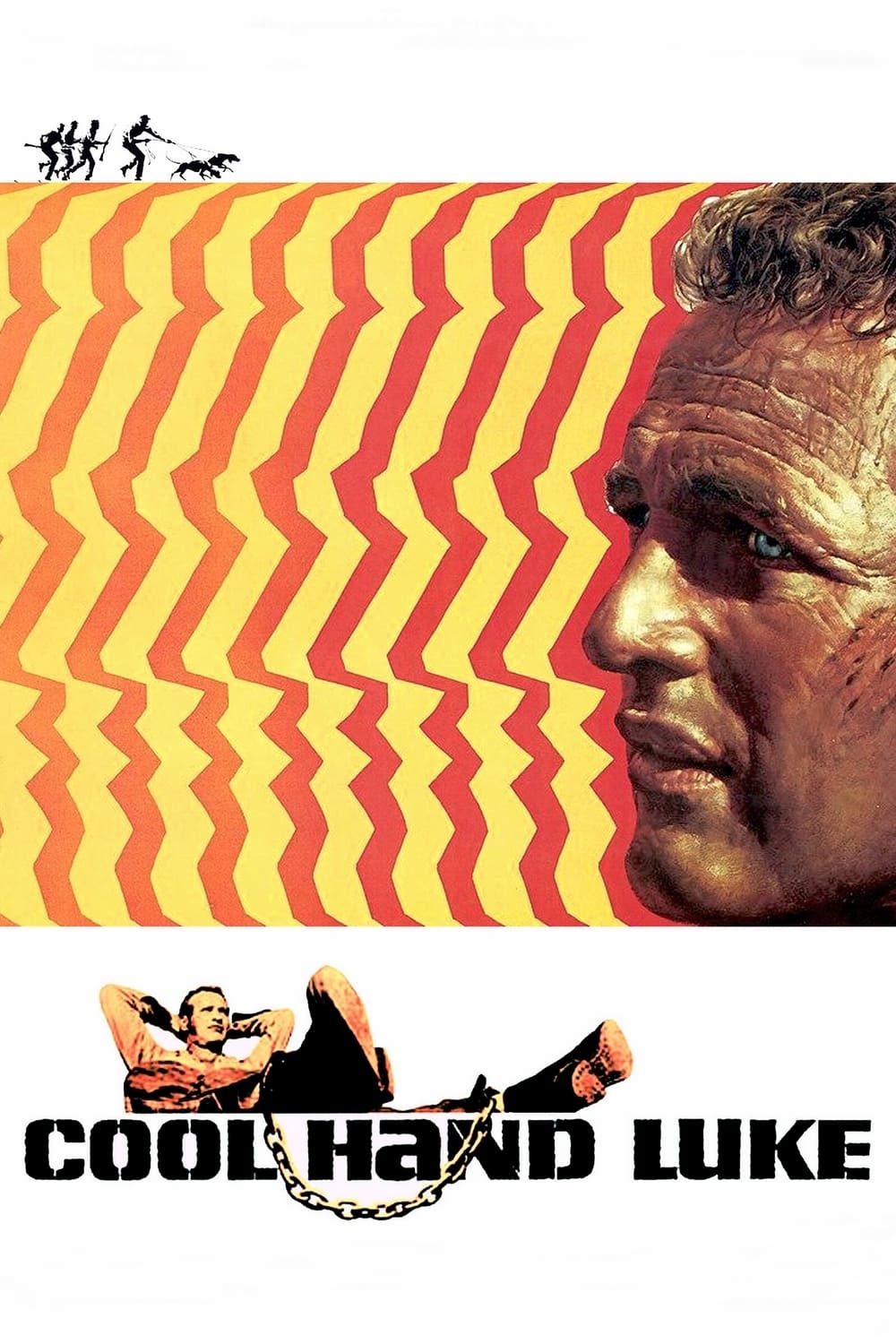
When I first sat down to watch “Cool Hand Luke,” I honestly wasn’t sure what I expected. Sometimes, when I approach an older film—especially one with such an iconic reputation—I worry that the decades of praise will have built up impossible expectations. But almost immediately, I felt drawn into a world with its own rhythms and codes, where the heat seems to seep off the screen, and the camera lingers just long enough to make me feel a part of the landscape. I remember the quiet suspicion in my mind at first: would this story of a Southern prison camp, of chain gangs and rebellion, resonate with someone living in a very different era? That uncertainty melted away the moment I noticed how much the faces and silences, the unwritten rules, and the moments of defiance all felt achingly human and immediate. Watching “Cool Hand Luke” for the first time wasn’t about reliving someone else’s nostalgia—it was like discovering a whole new way of seeing stubbornness, humor, pain, and hope through Paul Newman’s piercing blue eyes and that enigmatic half-grin. As the film unspooled, I realized I wasn’t just watching a protagonist endure hardship; I was being quietly invited to measure my own limits, my own relationship to rules, faith, and dignity.
That first viewing experience, for me, was filled with moments where I found myself unexpectedly holding my breath. The film moves at a deliberate pace, and I noticed how my own expectations of fast plot developments began to shift; I started to pay more attention to the atmosphere—the buzz of insects, the crunch of boots in dirt, the way the prisoners hesitated before laughing. I felt a subtle kinship with Luke almost from the first, not because I was destined to relate to everything he does, but because the film gives space for questions. I kept returning to a sense of witnessing something stripped down, unadorned, and deeply poetic, where every small act—whether eating eggs or refusing to break under the warden’s gaze—somehow gathered philosophical urgency. Even as a newcomer, I felt trusted to find my own way into the world of this film, and that, I think, has everything to do with why “Cool Hand Luke” endures. For all its famous lines and iconic scenes, the heart of it, for me, is the quiet realization that I am watching a true test of character unfold—not just for the sake of drama, but to reflect something enduringly obstinate and beautiful about the human spirit.
Emotional Moments That Resonate
The first time I watched “Cool Hand Luke,” there were moments that hit me so unexpectedly hard that I had to stop and sit with the feeling. One moment that lingers even now is Luke’s interaction with his mother, played so heartbreakingly by Jo Van Fleet. The way that scene unfolds—her lying in the back of a broken truck, her voice wavering yet strong, and Luke, suddenly so small and raw—it struck something deep inside me about complicated family love and the pain of letting go. I didn’t need to know much about their history; it was the pauses between words, the resigned affection, and the knowledge that everything unsaid was somehow the most important. That scene didn’t just move me because it was sad; it rendered those tiny fractures between parent and child in a way I found incredibly honest.
Another moment that stands apart for me, and likely for most first-time viewers, is the famous egg-eating contest. On the surface, it’s outlandish and brash—almost comic. But as Paul Newman’s Luke pushes his body to the edge, something remarkable begins to happen. The group comes alive with tribal energy, as if his trial is somehow their own. I find myself both wincing and urging him on, realizing how much communal hope and identity these broken men need to place on a single act of pointless defiance. There is a mix of triumph and futility in the aftermath that feels so true to life: I came to see that sometimes the things we fight for make sense only because we choose to care about them.
But perhaps the most soul-piercing scene for me wasn’t bombastic at all. It was later, when Luke is in the church, battered and alone, talking candidly—perhaps to God, perhaps to himself. This is the kind of vulnerability I rarely found in classic films: a naked admission that he’s uncertain, worn down, maybe even afraid. That moment swept me up, not only because it’s immaculately performed, but because it feels like a deep, personal confession anyone who has ever felt alone can understand. Watching it, I realized the film doesn’t provide pat answers. Instead, it asks you to sit with the messiness of endurance, faith, and the need to challenge authority, even when it hurts. Those layered emotions don’t fade with time—they echo in new ways for every viewer who stumbles across the film, wondering if their own stubborn streak is a gift or a curse.
How to Appreciate This Film Without Prior Knowledge
I have never considered myself a classic film expert, and that fact actually helped me enjoy “Cool Hand Luke” more than I expected. For a long time, I assumed I’d need to brush up on 1960s culture, Southern history, or the career of Paul Newman to really “get” why this film matters. The truth is, I didn’t need any of that. The film’s story is immediately legible. All I really needed was a willingness to enter its world with open eyes—and, I suppose, to accept that not every stray detail has to make perfect sense on a first watch. There are certainly references to older American traditions, prison life, and attitudes that might feel unfamiliar, but I found those very differences fascinating, not alienating. Sitting with the film, I noticed how universal its core questions are: how much can a person take? Where do we draw the line between dignity and submission? Is rebellion an act of folly or the very definition of courage?
I also realized very quickly that missing a reference or two didn’t take away from the emotional drive. Any anxiety I might have felt about not “catching” subtext or symbolism faded as soon as I realized the film expresses so much through faces and silences. Paul Newman’s performance does not demand you know all his previous roles or the real-life details of the era; instead, it asks you to recognize stubbornness, humor, pride, and fatigue—feelings that are still tangible sixty years later. If anything, arriving to “Cool Hand Luke” with no baggage allowed me to experience every surprise and heartbreak the way the characters themselves do. There’s a kind of directness here, a lack of pretension, that reassured me: the film is not a puzzle to be solved, but an experience to sit with. If I was patient and trusted my instincts, the movie would meet me more than halfway. I didn’t need decades of film theory to feel the sting of a loss or the relief in small victories; all I needed was myself and a readiness to pay attention.
Who This Film Is Best Suited For
- Viewers hungry for deeply human character studies, who find themselves drawn to flawed protagonists pushing against the boundaries of their world.
- Anyone fascinated by stories of resistance and the test of spirit—especially those who love narratives where meaning is found not in grand speeches, but in quiet, stubborn actions.
- People who may be new to classic cinema but crave emotionally honest films that dissect what it means to keep going when everything is stacked against you.
A Beginner’s Final Recommendation
My honest advice to anyone considering “Cool Hand Luke” for the first time is to watch it as openly as possible. You don’t need to study up or worry about missing some crucial piece of cinematic history; this film unfolds gently but insistently, working its way into your head and heart whether or not you come prepared. When I finished my first viewing, I didn’t feel overwhelmed by weighty symbolism or left behind by cultural references—what I felt was closer to awe, and maybe even a little gratitude, for the way Paul Newman and the ensemble pull you into their struggle with nothing more than a glance or a song strummed on a banjo. Of course, some of the film’s references may feel dated, and certain supporting characters echo the era’s storytelling conventions. But I found myself embracing those quirks instead of resisting them. Rather than being a barrier, they highlighted just how timeless the central questions of dignity, endurance, and rebellion really are.
This isn’t just a film about one man in one place, but a story about how people find meaning—sometimes tiny, stubborn acts of revolt, sometimes a shared laugh—when life feels impossibly hard. If you’ve ever felt pinned by circumstance, doubted your own resilience, or wondered how far you might go to keep your sense of self intact, the journey of “Cool Hand Luke” lands like a quiet revelation. My advice? Let yourself be surprised. You don’t need to come armed with knowledge or expertise—just a willingness, as Luke might say, to get yourself out there and see how you measure up under the world’s gaze. Watching this film for the first time today, I felt less like I was revisiting someone else’s history and more like I was given a gentle, unvarnished lesson in hope, courage, and the hard-won beauty of not breaking, no matter the odds.
To understand whether timeless appeal still resonates today, modern reassessments are worth exploring.
🎬 Check out today's best-selling movies on Amazon!
View Deals on Amazon