
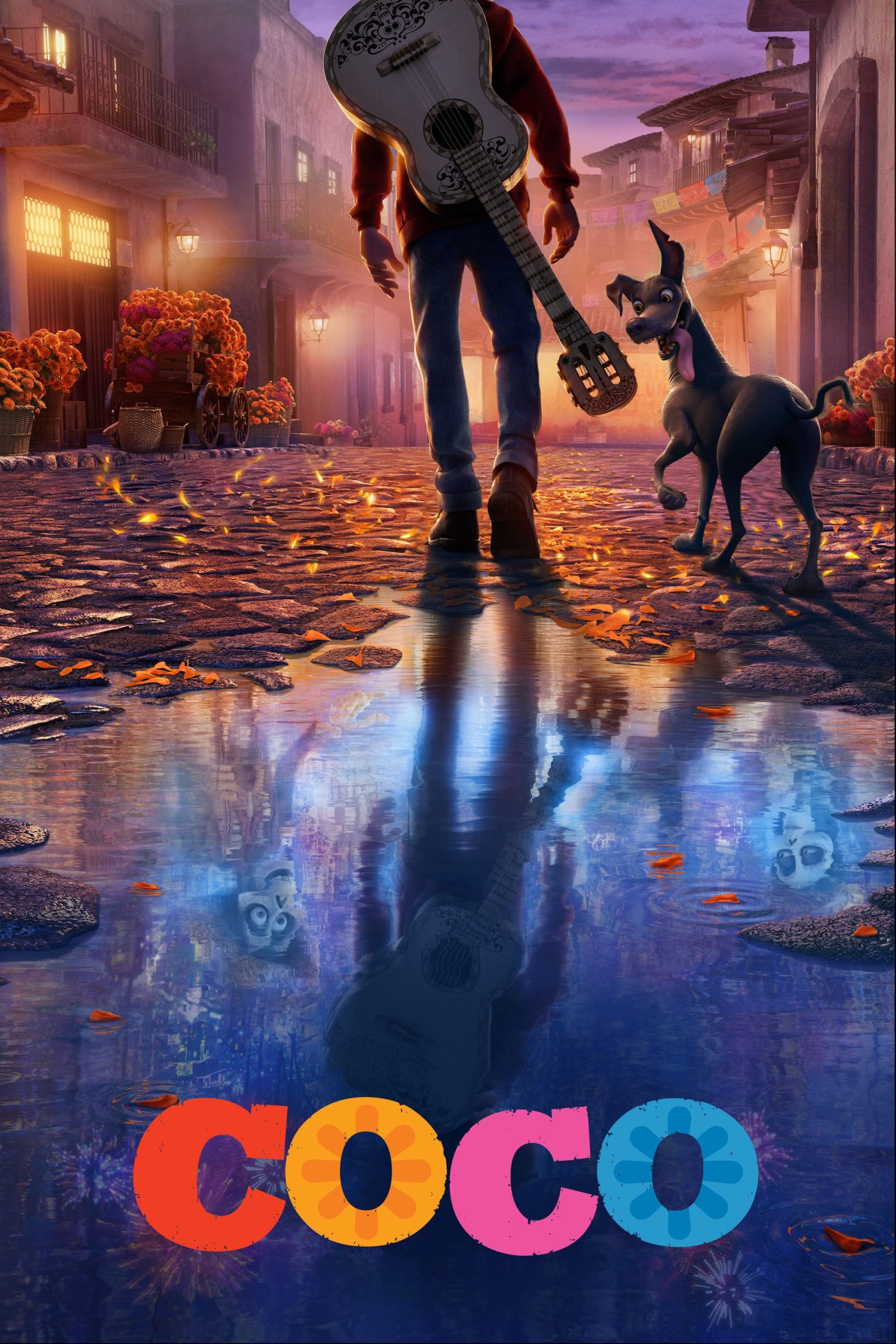
The First-Time Viewing Experience
There are few things I can compare to the moment I first watched “Coco.” The room was quiet around me, but inside, I was suddenly surrounded by vibrant color, movement, and a music that seemed to pulse directly from the heart of the film. Watching “Coco” for the very first time, I found myself completely drawn in—not just by the dazzling visuals or stirring soundtrack, but by the emotional transparency that ripples through every moment of this story. It can be tempting to assume that, with its animation and youthful protagonist, this film is geared only toward children. But for me, the reality was much deeper. When I settled in for my inaugural viewing, I discovered a film of unexpected tenderness, wrapped in the urgency of memory and longing.
What struck me most on that initial watch was the sense of discovery built into every frame. The world of “Coco” unfolds with a gentle invitation: Come see, come feel. For a new viewer, there’s a gentle disorientation as the living world gives way to the brilliantly rendered Land of the Dead. It’s both strange and comforting, uncanny yet familiar. I remember feeling an immediate connection to Miguel and his desire to claim his voice in a family that lovingly (and stubbornly) clings to tradition. I sat, feeling the weight of wanting to understand, wanting to belong—I think most first-time viewers can relate. I didn’t have to know the customs of Día de los Muertos in advance; the film welcomes you in, offering warmth instead of lecture, emotion instead of exposition.
The magic for me was never just in the spectacle. While first seeing “Coco” was a sensory feast—the colors bloom from every corner, the music dances with fervor—the way it weaves these sensory delights with heartfelt story is what held me captive. There’s anticipation in the air as the story hints at secrets, wounds, and reconciliations. Each new song or revelation nudged me to look closer, to listen with intention. As a newcomer, I felt safe to experience the story on my own terms, through laughter, surprise, and sometimes even tears.
By the time the credits rolled, I realized my experience wasn’t rare—so many first-time viewers, across all backgrounds, say they feel something familiar in Miguel’s journey. For me, it brought back echoes of my own childhood: that desire to carve out a little space for my own passions, to honor those who came before me, and to risk pursuing what makes me “me.” Watching “Coco” as a first-timer is a journey into a celebration—of family, of music, and of remembering—but it’s also a gentle, honest invitation to explore grief, legacy, and the vibrant stubbornness of hope.
Emotional Moments That Resonate
“Coco” is the sort of film that catches me off guard emotionally, time and again, even on repeat viewings. On that first watch, certain moments stand out with a clarity that feels almost physical—a tightening in my throat, an urge to grab the hand of whoever sits beside me. I’ve noticed how these emotional heights don’t rely on high drama or bombast, but rather on the quiet persistence of love over time and distance.
For me, the most indelible moment is hearing “Remember Me” in its earnest, stripped-down form. I remember sitting in shock at how quickly I felt transported—suddenly, a lullaby is so much more than a melody; it becomes a bridge between worlds, a thread pulling the past lovingly into the present. Watching Miguel sing to his great-grandmother Coco, I felt time stop. The gentle persistence of his voice, the look of recognition blooming across her face—it was a reminder to me of the way memory can heal, how music can revive what feels lost forever. That scene never fails to move first-time viewers; I felt it in my entire being, a tender ache reminding me of my own loved ones and the stories we pass along.
There’s also a powerful resonance in the film’s depiction of both chosen and inherited family. I found myself weeping for Héctor, whose story reveals the shadows of forgetfulness and the pain of being erased from memory. It made me reflect on what we owe to those who shaped who we are, and what it feels like to yearn for understanding or forgiveness from a loved one. “Coco” knows how to root these emotions in small, human gestures—a shared look, a moment of forgiveness, the joy of music doing its magic in a room full of people who care deeply, even if they disagree.
Another scene that sticks with me is Miguel’s first steps into the Land of the Dead. There’s plenty of awe and surprise, of course—I remember marveling at the architecture and the sheer creativity of the world-building—but what lingered was my realization that this place, while built from the stuff of myth, is also a community. The echoes of laughter, reunions, arguments over old secrets—these are the sounds of life, even among the departed. That recognition, that the afterlife can be a dance of memory and love rather than an abyss of loss—it filled me with hope and gratitude. I think that’s why, for so many, the film feels both a celebration and a gentle reckoning: we weep and we rejoice, because our own experiences with family, loss, and hope are at the forefront the entire time.
The generosity of “Coco” is that it doesn’t judge grief, nor does it recoil from sorrow. It sings through them, inviting us all—first-time viewers included—to celebrate the people we’ve lost and the stories that keep them with us. That may be the film’s most enduring magic: offering modern audiences a way to see their own families, their own memories, reflected back with extraordinary warmth.
How to Appreciate This Film Without Prior Knowledge
When I first approached “Coco,” I worried that I might be missing something—that without a deep understanding of Mexican culture or Día de los Muertos traditions, I wouldn’t “get it.” What a relief it was to discover how immediately accessible and welcoming the film is! My experience taught me that familiarity with the holiday or its customs is not a requirement—it’s an invitation, not a prerequisite. The film meets viewers wherever they are.
What eased my mind as a first-time watcher was the generous way “Coco” introduces its world. I noticed that it never condescends or overwhelms with information; instead, it gently folds cultural details into the fabric of its story. The meaning of ofrendas, marigolds, and family altars emerges naturally, surfacing through Miguel’s everyday experience and his longing to be understood. I didn’t have to know what an ofrenda was in advance—the beauty of it unfolded, scene by scene, as Miguel and his family navigate their memories together.
Music, too, is a universal language in “Coco.” Even if I had walked in with no idea of the lyrics or genres at play, the emotion behind every note pulled me in. Watching Miguel play for the first time, I felt a spark of recognition—no matter where we are from or what our traditions look like, everyone knows that need to express what words alone cannot contain. I didn’t feel like an outsider looking in; I felt welcomed, as if the party had just started and there was always room for another guest.
For anyone worried about being “qualified” to appreciate “Coco,” I can say with confidence: this film is for you. My own first viewing was proof that sometimes, all you need is an open mind and a willing heart. “Coco” trusts the viewer to feel their way through the story, letting each small revelation arrive organically. It’s a film that believes deeply in the power of shared stories. I was left not only with a greater respect for the traditions depicted, but also with a stronger appreciation of my own. That, for me, is what makes the film universal—its specificity doesn’t alienate, it invites understanding and affection.
Who This Film Is Best Suited For
- Those who cherish family stories and are open to exploring intergenerational bonds—whether joyful or complicated
- Anyone seeking a visually stunning, musically rich experience that delivers emotion without requiring background knowledge
- Viewers who appreciate films that blend laughter and tears, offering both escapism and a pathway to reflect on one’s own roots
A Beginner’s Final Recommendation
If you’re standing at the threshold of “Coco,” unsure whether it will speak to you, I hope my experience offers some reassurance. I came to this film with little expectation, thinking it might simply be a pleasant diversion. What I found, instead, was an invitation into a world brimming with color, resilience, and affection—one that felt at once personal and respectfully universal. My first watch left me overflowing with emotion, but also grateful for the gentle way the film allowed me to find pieces of my own story in Miguel’s journey.
I would encourage any new viewer to give themselves the freedom to feel—to approach the film with open eyes and a willingness to listen. You don’t need to prepare or study in advance. Let the music, the laughter, and the moments of bravery work on you. There is no wrong way to watch “Coco,” and there are as many ways to connect as there are viewers. For me, it was a film that opened a door; I stepped through and found myself at a kind of celebration, surrounded by past and present, memory and hope, woven softly together.
I look back on my first viewing not with a critic’s distance, but with gratitude—for the tears that made me laugh, and the laughter that made me cry. “Coco” is a film I would recommend wholeheartedly to anyone who wants to be moved, challenged, and welcomed, all at once. Don’t be afraid to let yourself be changed by it. Sometimes, the best classics are the ones that reach across years and cultures and remind us: love—like music—never really fades.
To understand whether timeless appeal still resonates today, modern reassessments are worth exploring.
🎬 Check out today's best-selling movies on Amazon!
View Deals on Amazon