Why This Film Is Beginner-Friendly
When I first sat down to watch this movie, I remember feeling a bit of hesitation. Italian film? Subtitles? The concept seemed daunting to me at first, but from the opening sequence I realized it was far more inviting than I had expected. There’s a warmth and emotional openness to this story that made it easy for me, as someone newer to classic films, to relax and let myself be drawn in. I was surprised by how universal the film’s themes felt—with nostalgia, childhood innocence, and the bittersweet reality of change all woven together. There’s nothing abstract or confusing about these feelings, no awareness of film history required, and I didn’t have to do any “homework” to appreciate it. The story is presented in such a heartfelt, straightforward way that I found myself relating to the characters instantly, even though their world was different from mine. What made it even more accessible for me was the central role of the movie theater in the community. I live in a world where streaming is the norm, and yet, I could feel what it must have been like to discover the magic of movies for the first time. The film accomplishes this not by asking viewers to study, but by making every scene full of genuine emotion and human connection. For a classic film, that’s a pretty generous and easy invitation.
What to Know Before Watching
- While watching, I had to remind myself that the movie is Italian and set in a small Sicilian village. This was a time and place different from anything I’d experienced onscreen. The community’s traditions, slower way of life, and emphasis on the village square might take a few minutes to adjust to—especially if, like me, you’re used to fast-paced, modern city stories.
- I noticed that the film doesn’t jump right into the action. Instead, it allows its story to unfold at its own gentle pace. There aren’t frantic chase scenes or rapid editing; the film lingers on moments of everyday life, letting small gestures and words carry meaning. For my first few scenes, I had to ease into this quieter, more patient rhythm, which is markedly different from a lot of contemporary movies.
- The film moves through different periods of the main character Toto’s life—childhood, teenage years, and adulthood. At first, the time jumps surprised me, but once I recognized the bigger picture of looking back and reminiscing, I understood and appreciated the flow. The movie is also filled with scenes that capture the passion and eccentricity of movie-loving audiences, which at first felt almost exaggerated to me, but by the end, I realized just how special and spirited the cinema used to be for people in that era.
Key Things to Pay Attention To
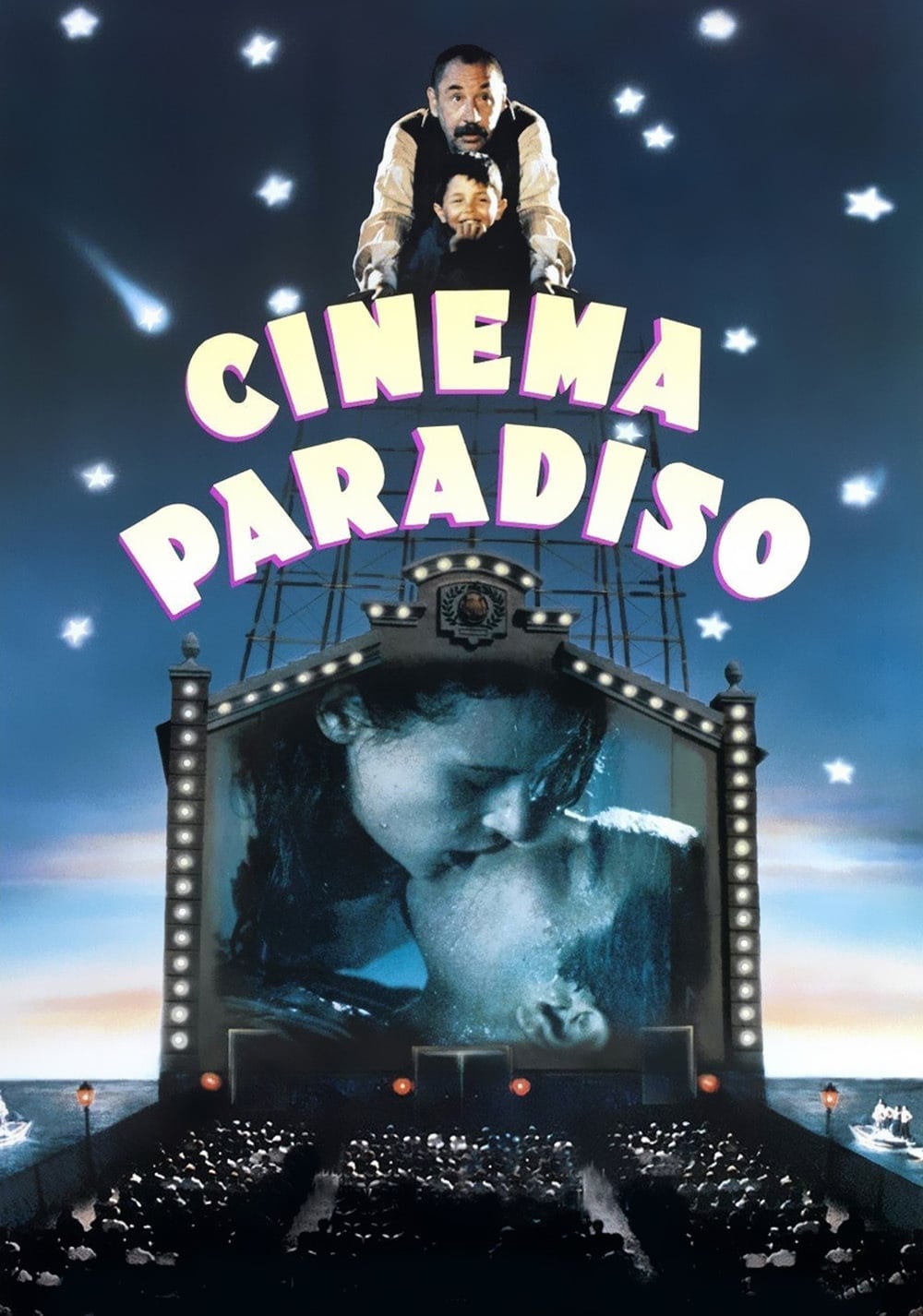
What helped me fully sink into this film was paying close attention to the relationships, especially between Toto and Alfredo. Rather than focusing on “solving” the plot, I found myself best served by watching the way people look at each other, the little gestures of kindness, and those fleeting moments of disappointment or hope. There’s a wealth of unspoken emotion—the kind you don’t need subtitles to understand—in a touch, a sigh, or a longing glance. The bond between the elderly projectionist and the young boy stirred up a shocking amount of emotion for me in scenes that seemed simple at first glance.
I was also drawn in by the way the film creates a love letter to movie-watching itself. The camera lingers on the audience’s faces as they laugh, cry, or gasp during a film show. I realized early on that the true story here isn’t just about Toto’s life, it’s about discovering why movies matter and how they bring us together. I made a point of soaking in the music and the ambiance, allowing myself to notice the sunlight streaming through the old theater’s windows, and the way dust floats in the projection beam. These visual cues and gestures tell a story all their own.
Even though there are moments of sadness—moments of letting go, of leaving or losing loved ones—I discovered that the film gently invites us to reflect on our own pasts, our personal turning points, and the things we carry into adulthood. Rather than searching for metaphors or decoding complex film language, the best thing I did for myself was to just let the film move me, to trust the simplicity and directness of the story, and to welcome the nostalgia it stirred up. It’s one of those rare movies where just being attentive to what’s happening between the characters brings the greatest reward.
Common Misunderstandings for First-Time Viewers
- Misunderstanding 1 – Assuming You Must Love Old Movies: I used to think this would be a film only true “cinema buffs” could appreciate, given its reputation. But I quickly realized it’s not necessary to know the movies referenced onscreen, nor do you need to have a long history of watching foreign films. The heart of the film is its universal emotion, not its movie trivia.
- Misunderstanding 2 – Expecting a Typical “Romance” or “Coming-of-Age” Plot: This isn’t a movie about big romance scenes or dramatic revelations. I initially expected a clear-cut love story, but instead found something gentler—an exploration of what it means to grow up, change, and sometimes leave things behind, which ultimately hit me much harder.
- Misunderstanding 3 – Thinking Subtitles Will Ruin the Experience: Before watching, I worried I’d spend so much time reading that I’d miss the visuals or emotional beats. But for me, the dialogue is simple and heartfelt, and the visual storytelling is so expressive that I never felt lost. In fact, I barely noticed the subtitles once I was a few minutes in.
Is This a Good Starting Point for Classic Cinema?
Whenever someone asks me where to begin with classic films, I find myself returning to this one as a standout recommendation. It meets you where you are, whether you’ve seen hundreds of old movies or are just starting to dip your toes in. I never felt out of my depth, only drawn in by the simple magic of the story and the tangible, genuine emotion that runs through every frame. The film offers a blend of nostalgia, humor, and heartbreak that felt refreshingly honest to me; there’s no need to “get” all the cultural references to be affected by the story.
What really won me over wasn’t any sort of technical brilliance (though I came to notice more of that with each viewing), but rather the invitation this film extends: remember what made you fall in love with storytelling in the first place, and see yourself, for a moment, inside that cozy old cinema. I left the film feeling lighter and more hopeful, and that sense of wonder is exactly what I want to pass on to anyone just starting a journey into classic cinema. For a first step, it’s hard to imagine a better film to remind you why movies have mattered to so many, for so long.
If you’re wondering how this film compares to others that have stood the test of time, these may help.
🎬 Check out today's best-selling movies on Amazon!
View Deals on Amazon