
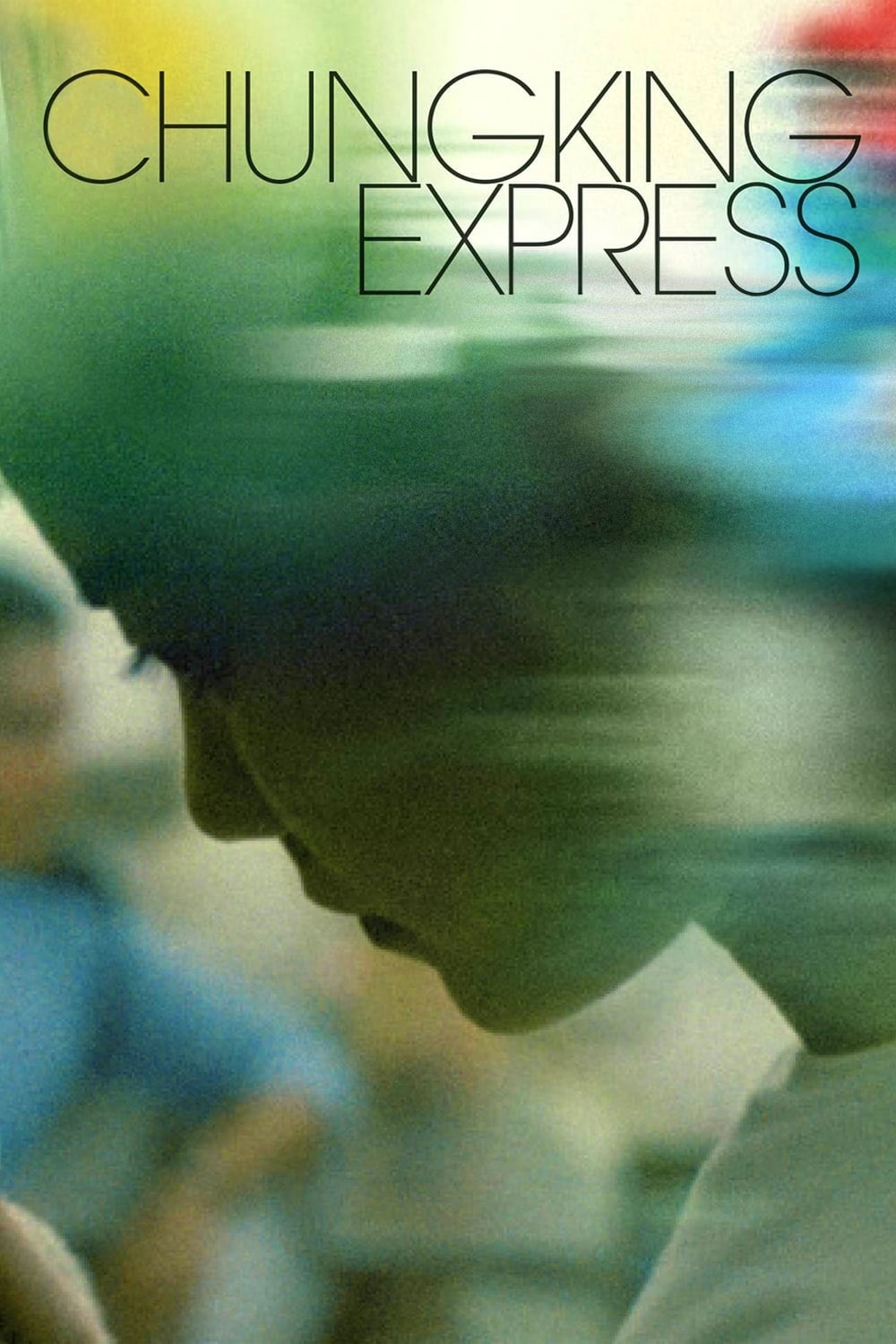
The First-Time Viewing Experience
My first encounter with “Chungking Express” was something akin to stepping into a neon-lit dream, where every frame pulsed with longing and life. I didn’t watch the film so much as I drifted through it, half awake and oddly vulnerable. What struck me most, as the initial scenes flickered by, was a peculiar collision of energy and stillness. I found myself caught between the chaotic swirl of Hong Kong’s streets and the silent aches of the film’s characters. I realized early on that “Chungking Express” wasn’t interested in holding my hand through its story. Instead, it invited me to surrender to its moods: playful, melancholic, giddy, and heartbroken in equal measure.
There’s a palpable freshness in the way Wong Kar-wai orchestrates the world of this film. I remember being startled by how the camera refused the usual tidy compositions. The city felt close, crowded, almost sweaty, and yet I sensed its hidden beauty around every corner. When I watched as a first-timer, every shot was a new surprise—a window streaked with raindrops, a goldfish trembling in plastic, the slow drift of a woman in sunglasses through a crowd. Rather than plot, it’s the cumulative sensation of yearning that dominates. I left my first viewing not remembering every scene, but recalling with piercing clarity a sensation of having been quietly seen.
As a modern viewer now, surrounded by a barrage of streaming content, I still remember how different Chungking Express felt from anything else I’d seen. There was no reliance on big spectacle or clear-cut resolutions. It trusted me to find meaning in gestures and glances. The film’s style—kinetic, sometimes dizzy, sometimes slow—made me feel like a participant in the characters’ loneliness. Even to someone who’s never seen a Hong Kong film, I believe the experience of watching Chungking Express for the first time today is to be gently pulled aside from your own rhythms and invited into someone else’s reverie. I remember thinking afterward, “Movies can feel like this?” and being quietly grateful for the discovery.
Emotional Moments That Resonate
I found myself swept up by small, seemingly mundane moments that somehow managed to contain entire universes of feeling. There’s a quiet magic in the way Wong Kar-wai lingers on objects—pineapple cans with expiration dates, a rain-soaked T-shirt, the simple act of eating fast food. For me, every encounter between the characters carried something vulnerable, even desperate, beneath the surface. I keep returning to Faye Wong’s scenes, headphones clamped over her ears, gliding through the snack bar with an energy that is both infectious and tinged with sadness. Her irrepressible joy as she cleans, lost in “California Dreamin’,” contrasted so keenly with Tony Leung’s lonely policeman. That dichotomy of visible cheerfulness and private sorrow made me ache for them both.
When I watched the sequence of the policeman buying pineapple tins, one for every day his girlfriend was apart from him, I was admittedly unprepared for how precise and raw that gesture felt. It wasn’t grand—just the ordinary made meaningful by love’s absence. I think anyone who has clung to habits in the wake of heartbreak can see themselves in him. I noticed, too, how Wong Kar-wai uses time: how a single deadline—the expiration date on a can—can feel as urgent and significant as any romantic crisis. I remember feeling both the humor and the pain in that moment, and realizing how deftly they were intertwined.
In the second story, the quiet vulnerability between Faye and the policeman builds so slowly that I practically leaned in closer, anxious not to miss a subtle glance or a unspoken wish. The little gestures—the swapping of apartment keys, the shimmering hope in a look—made me feel the enormity of the risk each character takes in seeking connection. For modern viewers, I suspect it is this intimacy, never overstated but always present, that most deeply resonates. We’re invited to see ourselves not in grand confessions, but in reticence, in longing, in the things we almost say. I often find myself returning to the image of Faye quietly rearranging his apartment, entering his life not with fanfare, but with a gentle, almost invisible presence. There is so much love in what remains unspoken, and it is that restraint that makes the emotional moments of this film so bracing and sincere.
How to Appreciate This Film Without Prior Knowledge
Before I saw Chungking Express, I worried that maybe I “should” know more about Hong Kong cinema, or that perhaps I would miss key references or cultural subtleties. Those doubts faded almost immediately as I realized that the film’s heartbeat is universal. When I sit down with it now, I remind myself that all it asks is for me to be open—to trust my own emotional response, not to hunt for hidden meanings or dissect clever symbolism. I discovered that you don’t need any background in Wong Kar-wai’s previous work, or insider knowledge of the city, to fall under the film’s spell. The sensory world is so textured, so tactile, that it welcomes anyone willing to get a little lost in its poetry.
I think the lack of context actually enriches the viewing. I wasn’t carrying the baggage of expectation, which allowed the film’s gentle eccentricities to surprise me. I didn’t fret over the narrative not making traditional sense—I just embraced its willingness to meander and let moments breathe. Wong Kar-wai delights in details: a hurried meal, a bickering exchange at a counter. I realized these details are emotional cues, not puzzles to “solve.” My advice to myself, and to any new viewer, is to let yourself experience each scene as a snapshot—a memory, a small ache, a rush of color—rather than as part of a strict plot.
The music helped me, too. Wong’s soundtrack, full of dreamy repetitions, gave me permission to feel without analyzing. When “California Dreamin’” played for the umpteenth time, any anxiety about “getting” the film receded. I was just there, watching along with the characters as they circled their hopes and disappointments. There are no required prerequisites—no critical essays or history lessons needed. All that’s necessary is a willingness to meet the film on its own terms. Looking back, I think the film quietly celebrated my bewilderment. It felt safe not knowing everything, which is rare and, for me, incredibly freeing.
Who This Film Is Best Suited For
- Viewers who crave emotionally honest stories about longing and isolation, and who delight in films that explore inner lives through subtle details rather than explicit narration.
- Those who are visually adventurous—willing to be swept up by dynamic, unconventional camerawork and an aesthetic that pushes past realism into the realm of sensation and impression.
- People who appreciate gentle, offbeat humor, and who don’t require obvious explanations for every moment, but are content to be carried by mood and music.
A Beginner’s Final Recommendation
If there’s anything I’ve come to cherish from my first experience with “Chungking Express,” it’s the sense of having been quietly welcomed into someone else’s solitude. I encourage anyone new to the film not to worry about what you’re “supposed” to see. Follow your own curiosity and allow the film’s fragments to wash over you. Each time I rewatch it, I catch new details; but the first time, I simply let myself feel. Let yourself share in the bittersweet ache of the characters, the dizzy freedom of nighttime city streets, the strangeness of strangers becoming familiar. If a moment feels confusing or leaves you wanting more, trust that this is part of the gift. The experience is richer for what it withholds—as much about the time between encounters as the encounters themselves.
For me, Chungking Express stands apart because it knows the comfort of finding shape in sadness. It doesn’t demand analysis or expertise, only a willingness to see and to feel. If you bring your own memories of love, loss, waiting, or wonder, you’ll find them reflected somewhere in the film’s tapestry. Most of all, I want to assure you: there is no wrong way to watch this movie. Let it be unfamiliar. Embrace the messiness and the mood. If you are openhearted and a little patient, you might just catch yourself unexpectedly moved in the quiet aftermath—like waking from a dream you wish to remember. I still do.
To understand whether timeless appeal still resonates today, modern reassessments are worth exploring.
🎬 Check out today's best-selling movies on Amazon!
View Deals on Amazon