
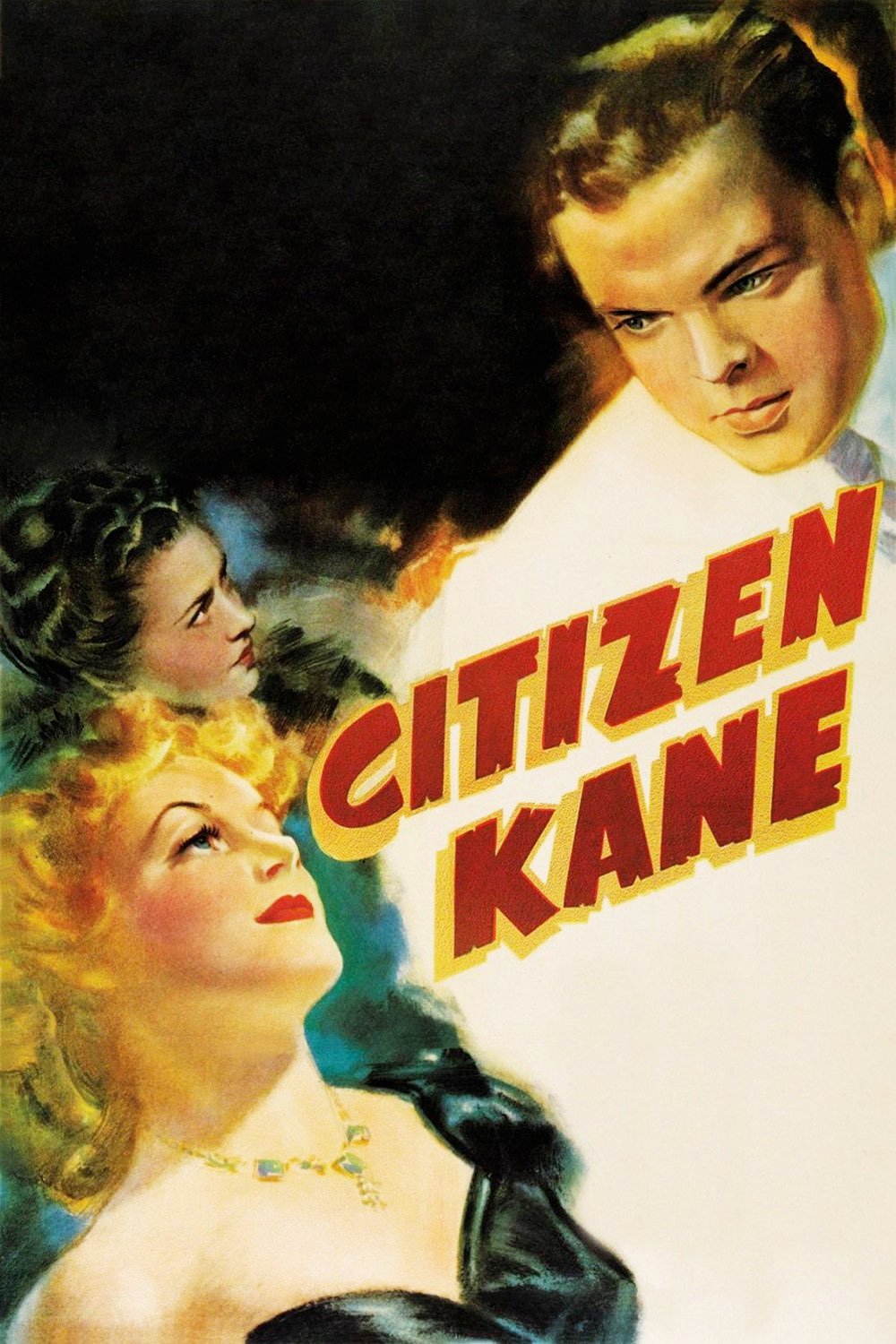
The First-Time Viewing Experience
When I first sat down to watch Citizen Kane, I remember feeling a surprising sense of anticipation mingled with the anxiety that sometimes hovers when facing a legendary work. For years, I’d often heard that it’s “the greatest film of all time,” a piece so revered that it almost seemed untouchable—like art encased in museum glass, begging admiration but resisting intimacy. As I pressed play, I braced myself for something distant, maybe even cold, worried that the adulation heaped over decades would dull any new emotional connection I might feel. Yet, what flooded in was something altogether unexpected: immediacy. Instead of standing at arm’s length, I found myself absorbed, drawn into a swirling cloud of mystery, memory, and humanity.
For me, there was an odd thrill in experiencing Citizen Kane for the first time with fresh eyes—without the tangled web of film school jargon or historical baggage weighing down every frame. I was startled by how quickly the film swept me up, not by technical wizardry or grand spectacle, but by a whispered intrigue. The story isn’t told from a privileged distance; I felt the camera pulling me in, hovering over shadowy faces, eavesdropping through half-open doors. There’s a real intimacy, a sense of breath on the back of my neck. My curiosity grew not just about the mysterious “Rosebud,” but about those small gestures, quiet pauses, and the fragmented voices remembering a complicated man. I started to see the film less as a relic and more as a living, breathing thing—its heart pounding quietly beneath the layers of age and reputation.
I think today’s first-time viewers might find themselves full of surprising emotions. There’s the initial self-consciousness (“Am I catching all the references? Should I be noticing the famous shots?”) that gently fades as the film’s immersive style draws you in. At moments, I found myself forgetting Orson Welles’ legend and simply being fascinated by this sorrowful tycoon’s journey. As the film unfolds, it almost never hands things to you wrapped with a tidy bow. Instead, I found myself haunted by the moments in between, the fragments of Kane’s life described by the people who loved, resented, and remembered him—often contradicting each other, sometimes unsure themselves. For a film with such an outsized place in cinema history, my experience was so much more personal and strangely delicate than I expected. It didn’t feel like homework; it felt like eavesdropping on something real and hidden.
Emotional Moments That Resonate
What astonished me was how certain moments felt raw, sensitive, even vulnerable despite the passage of more than eighty years. The one that always lingers in my mind—long after credits roll—is a simple scene: Kane, alone in a cavernous room, surrounded by the treasures and totems of a lifetime. There’s a hush, an echoing emptiness, and for me, an aching sense of loneliness. I remember feeling that silence deep in my chest: a man surrounded by more than anyone could ever desire, and yet possessed by loss.
Another moment that stayed with me on my first viewing is Kane’s outburst in the destroyed bedroom. Watching the force with which he shatters his wife’s belongings, I was struck by both the sheer power and sudden helplessness in his movements. For all his control over the world, he seems so powerless when it comes to love and connection. I found myself wincing—not at the violence, but at the undertow of pain beneath it. It reminded me how often anger is just disappointment left unresolved, and I felt startled by the immediacy of that emotion, so clearly rendered without melodrama.
There’s another smaller scene that I think many first-time viewers quietly treasure—the brief flashbacks to Kane’s childhood, particularly the moment when the child Charles is framed outside in the snow, seen through the window as the adults sign away his future. The simplicity of that image moved me tremendously. His isolation—visible even at such a young age—felt so poignant and contemporary. I realized how easy it is for choices, often made by others, to shape a lifetime. That awareness can be quietly devastating, and it crept up on me without warning or heavy-handedness. I catch myself thinking about that snowy landscape, about how innocence is sometimes left behind so quickly it’s hardly noticed until much later.
Finally, the film’s fragmented storytelling drew unexpected emotional power from the way people speak about Kane after he’s gone. Each perspective, biased and incomplete, reminded me that we’re all pieced together from other people’s memories and misconceptions. I felt the weight of being misunderstood and the quiet comfort of being remembered—however imperfectly. That mosaic of recollection, where no one view completes the whole picture, hit me much deeper than I anticipated. There’s something universally relatable in that struggle to be seen—and in the heartbreaking reality that even life’s giants are finally, inevitably, just as unknown as the rest of us.
How to Appreciate This Film Without Prior Knowledge
Before watching Citizen Kane for the first time, I was almost intimidated by the chorus of analysis and “required reading” that seemed to surround it. But my experience turned that anxiety on its head. I found that expertise is not only unnecessary—it almost gets in the way. The film is so inviting in its emotional honesty that I never felt excluded for not knowing about deep focus or narrative structures. At its core, it’s a story about longing, memory, and lost innocence, and that kind of story asks only that I bring my curiosity and empathy.
As someone who once worried I’d be lost amid the film’s cinematic tricks, I discovered that Kane’s journey works on a deeply human level even if I’d never read a textbook on film history. I didn’t have to recognize every allusion or camera experiment to notice when a character’s hand trembled or when the camera made me feel imprisoned by cavernous, empty spaces. Those moments are universal; they resonate regardless of how much I’d studied movies before.
If you’re approaching Citizen Kane as a first-timer, I’d genuinely suggest letting go of any need to “get everything right” or check off references. Let the experience wash over you. I found that by focusing on the characters—their voices, glances, pauses—I naturally drew meaning from the scenes. The dramatic texture is so rich, so elegantly woven, that it rewards simple engagement with its people and their desires. All you need is a willingness to watch, listen, and feel. Anything academic is a pleasant bonus you can pick up later if you’re curious. What mattered most to me was how the film made me feel: sometimes unsettled, often curious, and at times, honestly moved.
Who This Film Is Best Suited For
- Those who treasure emotionally complex stories about human ambition and regret
- Viewers drawn to visual storytelling and atmosphere, even if they know little about classic cinema
- People curious about how legends are shaped, reshaped, and sometimes shattered over time
A Beginner’s Final Recommendation
Looking back on my first encounter with Citizen Kane, what stands out most isn’t the weight of its reputation, but the gentle surprise of finding myself affected so personally by an old black-and-white film. I was initially braced for something formal and remote, a history lesson. Instead, I left feeling that I’d glimpsed the most intimate portrait of a striving, wounded person—one whose struggles echo long after the lights come up. The film whispered to me about the costs of ambition, the shattering moments of loss, and the search for meaning in the fragments we leave behind.
So if you’re approaching Citizen Kane for the first time, I hope you’ll allow yourself the freedom to simply feel. Let go of the pressure to assess whether it’s “the greatest” anything. Treat yourself to the story as if you’d stumbled across it by accident: mysterious, beautifully strange, and as alive with secrets as the first day it flickered on screen. My best advice is to watch with your heart open and your mind curious, trusting that the film itself offers more than enough for a rich, rewarding experience without any background or expertise.
I discovered truths about loneliness and memory that felt startlingly modern; I was reminded of the comfort—and ambiguity—of being remembered by others. For some, Citizen Kane becomes a lifelong companion, its mysteries unfolding a little further each time; for others, a singular, haunting mural glimpsed once and never forgotten. Either way, I walked away more interested in what I remembered and how I felt than in any checklist of achievements. If I could offer one encouragement, it’s this: you absolutely belong here, in this world of light and shadow, no matter how much or how little you know about movies. The first viewing is a gift you can give yourself—no permission required.
To understand whether timeless appeal still resonates today, modern reassessments are worth exploring.
🎬 Check out today's best-selling movies on Amazon!
View Deals on Amazon