
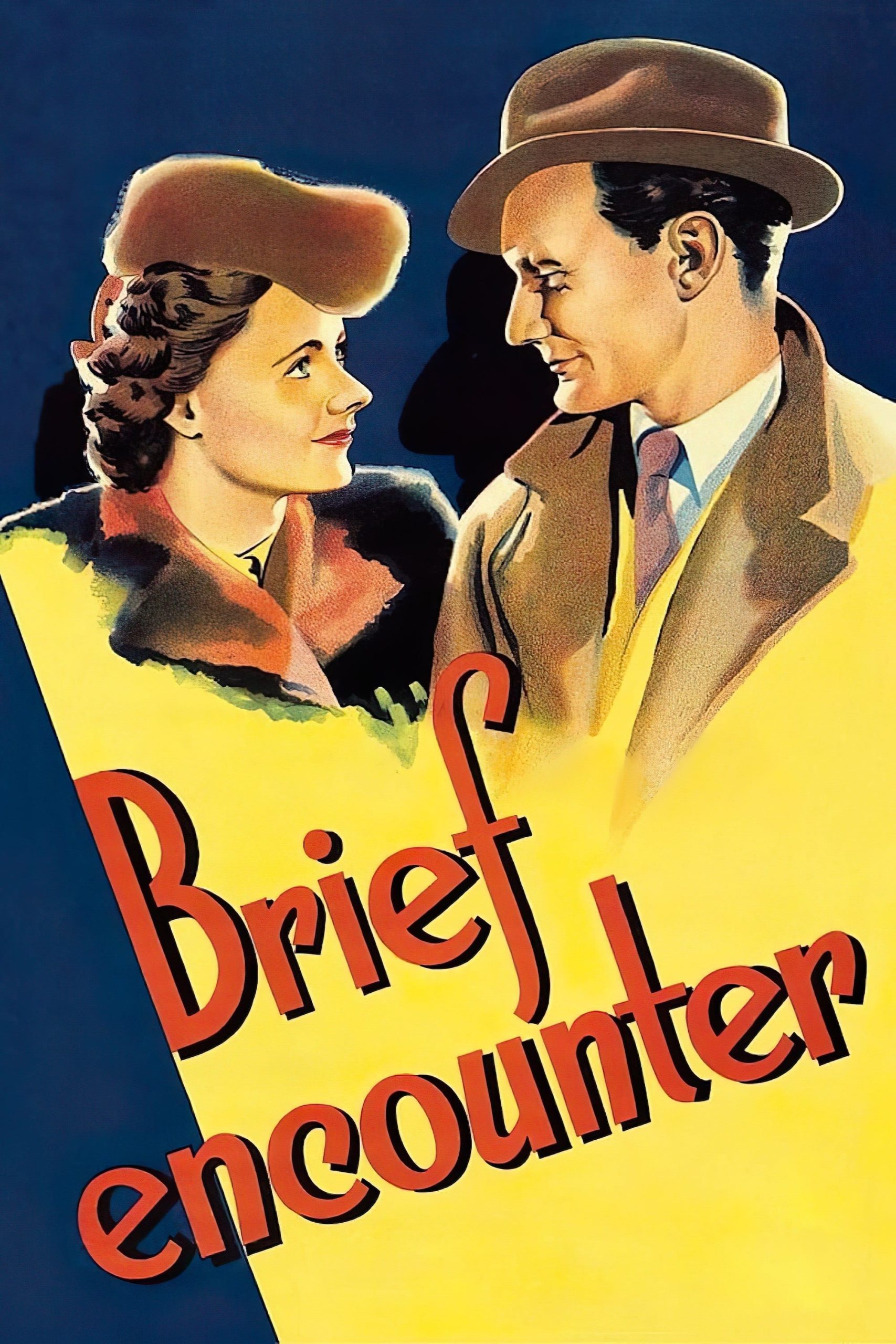
Why This Film Is Beginner-Friendly
When I first slipped into the moody, rain-slicked world of “Brief Encounter,” I’ll admit that I was a little hesitant. I’d heard plenty about so-called “classic films” feeling distant—either too formal or hemmed in by old-fashioned conventions. But what surprised me most about this movie was how immediate and understandable it felt, even decades after its release. I think the reason “Brief Encounter” works so well for new viewers is because it’s, at its core, a very simple and very human story—one of yearning, hesitation, and quiet longing. The movie doesn’t throw complicated symbolism or dense historical references at you; instead, it gives you two ordinary people, Laura and Alec, trying to navigate emotions they never expected. I felt a pang watching them, especially because their situation—wanting more, daring to feel alive—felt so honest.
What really put me at ease, and why I’d recommend this film to anyone new to classic cinema, is how “Brief Encounter” makes its emotions feel universal and timeless. It doesn’t require you to be an expert on film history or British society in the 1940s. I never felt like I needed to “catch up” or study beforehand. The dialogue is straightforward, and the characters’ dilemmas are clear. Even if you’ve never watched a black-and-white film before, the storytelling welcomes you in rather than intimidating you. For me, it was less about “doing homework” and more about just sinking into a beautifully told story.
I often hear people hesitate to approach older films out of fear they’ll be stiff or confusing. That wasn’t my experience at all here. “Brief Encounter” takes a simple train station meeting and spins it into something deeply moving—the kind of “what-if” and “what-could-have-been” that makes anyone wonder about their own life choices. That’s a feeling anyone can relate to, no matter when or where they grew up. That’s why I think this film is such a good first step. It’s approachable, it’s unpretentious, and, most importantly, it touches upon the heart of what makes movies so captivating in the first place.
What to Know Before Watching
- Because the film was made in 1945, its setting and manners can feel quite formal at first. I remember chuckling when I noticed how polite everyone was. Tea and hushed conversations seem to solve everything – but that’s part of its charm once you get used to it.
- The pacing is more measured than most Hollywood blockbusters today. After years of fast edits and rapid-fire storytelling, I found myself having to settle in and accept the quieter, slower rhythm. Scenes often linger on facial expressions or silences, which I came to appreciate as I got into the film’s mood.
- This film uses a lot of voiceover narration—Laura’s inner thoughts drive much of the story. At first, this felt unusual because modern movies tend to avoid this style, but I quickly saw how it allowed me to understand her emotional world in ways dialogue alone never could. Also, the black-and-white visuals contribute to a mood that’s almost dreamlike.
- Romance here isn’t painted with grand, passionate gestures. Instead, it’s awkward, tentative, and filled with longing looks or hesitant glances. If you’re expecting movie-perfect kisses and sweeping music, you might be surprised by how “small” and real everything feels.
- Social expectations in the film are strict—divorce and infidelity weren’t openly discussed in 1940s Britain, so everything about Laura and Alec’s relationship comes with an unspoken weight. Their restraint can feel odd to a modern viewer, but I found this tension thrilling in its quiet way.
- If you’re not accustomed to British accents from this period, it can take a minute for your ears to adjust. I gave myself a little grace during the opening scenes and didn’t stress if I missed the odd word; the acting more than made up for it.
Key Things to Pay Attention To
Whenever I revisit “Brief Encounter,” I realize how much relies on things unsaid. For someone new to classic films, the biggest reward often comes from watching the way Laura and Alec act around each other—their body language and subtle gestures. Instead of spelling everything out, the film lets their emotions simmer just beneath the surface. There’s a scene where Laura nervously fidgets with her gloves, or Alec pauses before speaking, and I’ve found these little moments say more than the dialogue ever could. I found myself drawn to the quiet, almost fragile, chemistry between the leads.
I’d also recommend keeping an ear tuned to the use of music throughout the film. Rachmaninoff’s piano concerto is woven in as a sort of emotional heartbeat. Each time that melody returns, I felt my own emotions rising and falling with Laura’s. The music never feels intrusive; instead, it gently guides you through her inner turmoil. I found this use of music refreshingly different from the bombastic scores common today. It’s not there to shout “feel this!”—it simply settles you deeper into the story’s emotional current.
One other thing that always stands out for me is how grounded the setting feels. The train station, with its fog and bustle, becomes almost a character in itself. Every time Laura sits in the café or boards a train, I could sense the weight of routine pressing down on her. The environment—the smoke, the echoes, the steady chug of trains—amplifies the feeling of lives briefly overlapping before returning to the ordinary. I found myself thinking about how everyday spaces can hold so much meaning, and how fleeting moments can change a life forever.
Above all, I think it’s important for new viewers to let themselves appreciate the film’s restraint. Instead of dramatic speeches or explosive actions, the drama unfolds in half-finished sentences or sidelong glances. At first I expected bigger moments, but what won me over were the small, intimate gestures—someone lingering over a goodbye, or the haunted look in Laura’s eyes as she weighs her choices. It’s subtle, but powerful. If you approach the film ready to tune into those finer details, I think you’ll see why “Brief Encounter” is so beloved.
Common Misunderstandings for First-Time Viewers
- Misunderstanding 1 – Some people believe nothing “big” happens in the film, so they think it’s boring. For me, the emotional currents are huge, even if the actions are small. The tension and restraint hold a kind of suspense that you don’t find in movies where everything is spelled out.
- Misunderstanding 2 – I used to think that the characters’ behavior was unrealistic or outdated—why don’t they just act on their feelings? But after watching more closely, I realized their choices come from real pressures of their time. Understanding the cultural context, I see why their longing expresses itself in glances and hesitations rather than open declarations.
- Misunderstanding 3 – It’s easy to assume older films are stiff or melodramatic. “Brief Encounter” actually surprised me by feeling intimate and completely natural. The actors avoid showiness; instead, they capture the awkwardness and complexity of real-life love. Once I paid attention to that naturalism, I stopped expecting over-the-top performances and appreciated the film for what it is.
Is This a Good Starting Point for Classic Cinema?
If I had to name one classic that truly eased me into old Hollywood (or in this case, British cinema), “Brief Encounter” would be near the top of my list. I never felt I was being tested on film history or asked to admire something just for its age. Instead, I found myself swept up in a relatable, gently heartbreaking story about ordinary people and the wars they wage within themselves. That universality makes it such a gentle introduction to the world of classic movies.
I’d encourage anyone even mildly curious about older films to give this one a try. It doesn’t ask for much—just a willingness to slow down for a little while, to put away expectations of explosions or rapid-twist endings, and to simply watch two people struggle with what their hearts want. And for me, that opened up a whole new appreciation for how powerful movies can be, no matter when they’re made. After my first viewing, I found myself wanting to explore more films from this era, not out of obligation, but genuine curiosity about what other hidden treasures I might find. If my own experience is anything to go by, you’ll come away with a new sense for how emotionally rich and surprisingly accessible classic cinema can be.
If you’re wondering how this film compares to others that have stood the test of time, these may help.
🎬 Check out today's best-selling movies on Amazon!
View Deals on Amazon