
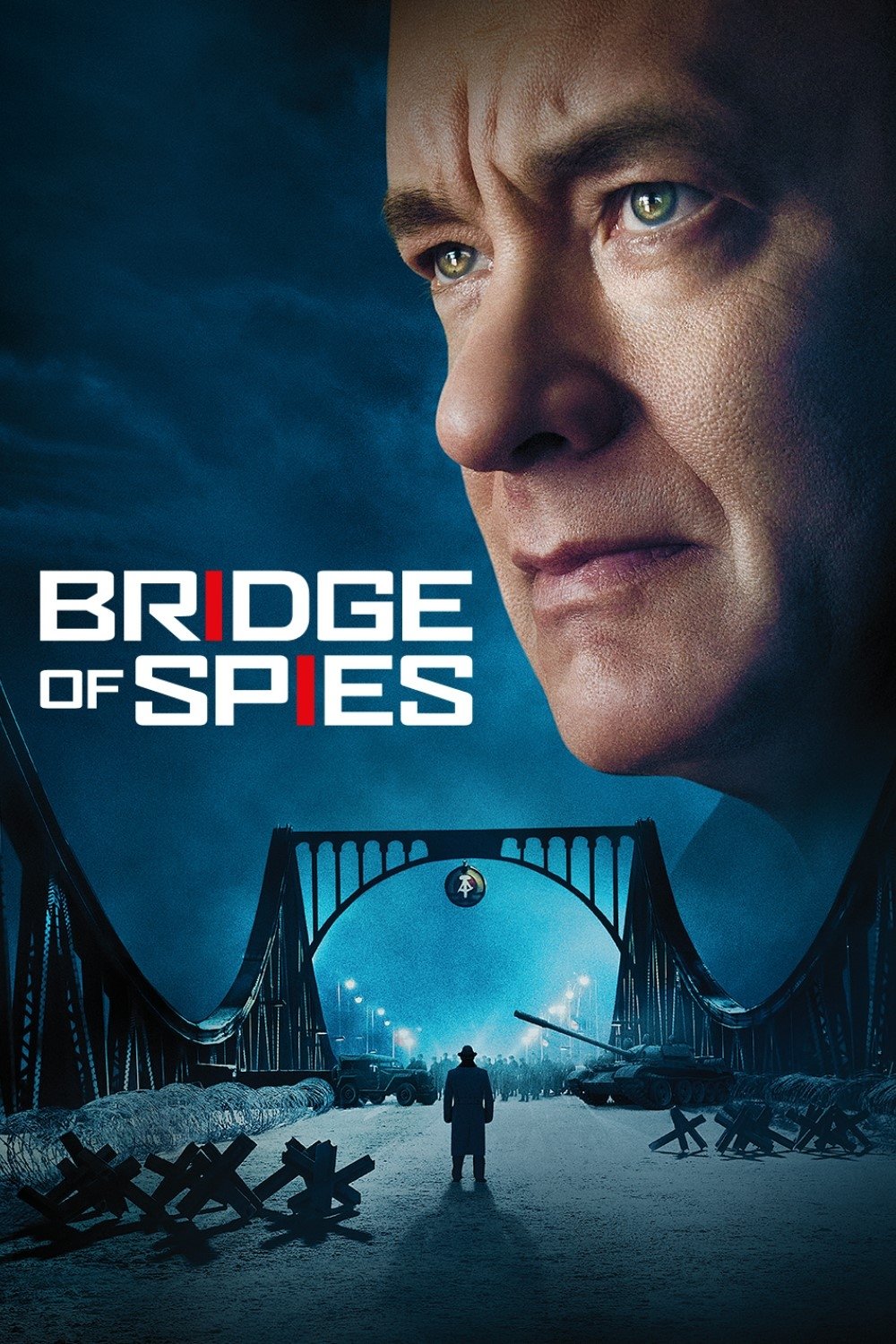
The First-Time Viewing Experience
Stepping into “Bridge of Spies” for the very first time, I remember feeling immediately pulled not just into a Cold War narrative, but also into a landscape painted with quiet uncertainties and unexpected courage. What left me most unsteady—in the best possible way—was how the film presents the ordinary alongside the historic. I’m used to movies setting grand events apart on a stage, but here, the details felt intimate, like watching shadows flicker against the familiar walls of my own living room. There was a sense of being suddenly swept up, as if fate’s hand plucked an insurance lawyer out of anonymity and, in doing so, dropped me (the viewer) into a world where moral clarity is not a given, but a luxury. My initial experience was less about fireworks and more about tension that seemed to soak into the air around me.
With each scene, I found Spielberg holding my expectations gently, only to challenge them. There’s a distinctive rhythm to the film, almost meditative, that at first left me unsure whether I should brace for action or settle in for reflection. I discovered I was grasping for certainties, but “Bridge of Spies” refrains from providing easy answers or simple heroes. Instead, I became acutely aware of the characters struggling to find their footing—in courtroom battles, in hushed train rides, in those moments before they utter a word that could upend lives. I can still recall the way my pulse would quicken as Tom Hanks’ character, James Donovan, stood against skeptics; that sense of rooting for someone both extraordinary and frustratingly ordinary. For me, the film’s greatest triumph lay in its ability to make me question not just what I would do, but who I would be, should history ever call on me in such unexpected ways.
Watching for the first time today, I imagine fellow newcomers might also feel a curious distance and closeness all at once. There’s the historical backdrop—icy Berlin, whispered deals, a sense of paranoia underneath polite exchanges—that might seem unfamiliar, but the emotional texture feels authentic and current. I recall not really knowing much about this particular slice of history going in, yet I never felt lost. The core dilemmas—loyalty, empathy, the cost of principle—remained as present-day as the news on my phone. I found myself unable to detach. The film’s world, carefully built yet never ostentatious, asked me to look for humanity where the surface says it shouldn’t exist. That, I think, is the signature impact for a first viewing: the realization that hope flickers in surprisingly human places, even in periods of chilling uncertainty.
Even now, when I recall that first watch, I remember the slow draw of the film’s pace. Some may find it measured or quiet, but there’s an intensity in that restraint. The sound of footsteps on empty Berlin streets, the low hum of negotiation rooms, the soft clink of glass in Donovan’s living room—they all contribute to an atmosphere where suspense does not shout, but tightens its grip softly, relentlessly. That patience in storytelling led me to savor small gestures and silences, and it planted questions—about courage, fairness, and compromise—that lingered long after the credits rolled. It’s not the sort of film that leaves you breathless from spectacle, so much as breathless from implication: what would I risk, for the sake of another person, in the face of a cold and complicated world?
Emotional Moments That Resonate
There are scenes in “Bridge of Spies” that still haunt me, not because of the spectacle, but because of their quiet, everyday resonance. One moment that remains etched in my memory is Donovan’s recurring refrain—“every person matters.” Each time he says this, I am reminded that empathy can be an act of radical defiance. Watching Donovan simply sit beside Rudolf Abel, the accused Soviet spy, listening rather than judging, gave me chills. It forced me to reconsider what justice and civility can look like, even in the middle of suspicion and fear. That willingness to see dignity in “the other”—especially when no one else does—felt like a quietly revolutionary act. I have found this focus on empathy to be one of the film’s deepest wells of emotion, reaching well beyond the Cold War context. In a time when polarization often drowns out understanding, moments like these have become even more precious and profound.
Another scene that unsettled me emotionally was Donovan braving the humiliation of defending a so-called enemy, especially as the heat turns on at home. The sight of his house pelted with rocks, or the wary looks he receives on the subway, left a knot in my stomach. For me, these scenes cut much closer to the bone, as I realized how easily principles can wither under public scorn or personal danger. It’s one thing to cherish ideals when they suit us, but to insist on compassion and fairness for the unpopular—that’s the measure of our character. I found myself wondering, honestly, if I would have the same resilience amid withering doubt, both from strangers and loved ones. The film made me feel, with uncomfortable clarity, the cost of walking an ethical path against a tide of suspicion. That emotional honesty—unveiling the toll of doing right—made Donovan’s journey feel both noble and painfully real.
Then there’s the moment of the actual bridge exchange itself—a sequence loaded not just with suspense, but with an emotional bandwidth that overwhelmed me. The blurred lines between enemy and ally, the tension in every measured glance and halting step, made the world feel small and enormous all at once. I was struck by how Donovan’s relief and exhaustion flood his expression. For me, the exchange captured the film’s essence: lives hang in the balance, and nothing is cleanly resolved. That sense of compromise, of trading one uncertainty for another, is what I believe makes the film’s resolution deeply moving rather than simply triumphant. The emotional residue of that sequence—an uneasy hope, compassion that costs dearly, an enduring ambiguity—landed with full force. It’s one of those rare cinematic moments where I had to remind myself to breathe.
Even the quieter beats speak volumes. I recall a scene where Abel, quietly painting in his cell, looks as serene as a man in a park. When Donovan asks him, “Aren’t you worried?” and Abel responds with his refrain—“Would it help?”—I felt a wave of admiration mixed with sadness. That kind of understated grace in the face of a fate he cannot control made me appreciate how resilience sometimes looks like acceptance rather than resistance. It’s that gentle, unforced wisdom that caught me off guard, and I realized how infrequently such moments are honored in film. My own anxieties dissolved for a moment in the stillness of Abel’s presence, and I wanted to hold on to that calm amidst chaos. That’s the emotional generosity at the film’s heart—an invitation to recognize courage in its least theatrical forms.
Reflecting as a viewer today, these moments have not grown any less potent. If anything, the world’s complexities since the film’s release have only magnified their relevance. I still find myself drawn to that subway ride towards the end, where Donovan, after his ordeal, returns to ordinary life. When strangers see him in a new light, their silent acknowledgment became, for me, a testament to quiet integrity finally being seen for its worth. It made me aware of how often quiet acts of decency go unheralded, lost amid spectacle or scandal. That finale left me both uplifted and a little haunted, carrying the film’s message into my own small acts and choices. The emotional power of “Bridge of Spies” doesn’t strike like lightning—it seeps in, grows roots, and accompanies me long after.
How to Appreciate This Film Without Prior Knowledge
If anyone worries that they need a historian’s background or a law degree to embrace “Bridge of Spies,” I can personally put those anxieties to rest. When I first sat down to watch, I brought only a vague memory of Cold War stories from school, not much more. Yet I felt welcomed rather than excluded. What reassured me most is how the film places the emotional and ethical core above the specifics of missile counts and treaties. Spielberg has a knack for inviting newcomers in by foregrounding not just what happened, but how it felt to live through uncertain, fearful times. Even if you don’t know the details of Berlin’s division or the U-2 incident, the sense of mistrust and the longing for fairness are instantly relatable. I found myself learning as I went, but never being made to feel ignorant or left behind.
One thing I advise first-time viewers: let yourself be curious about the characters before worrying about the headlines or historical figures. Early on, I realized that Donovan’s bewilderment as he’s swept into global intrigue mirrors my own. I didn’t need to keep score of which agency was which, or remember every politician’s name. Instead, I watched for the way ordinary people—Donovan, Abel, even the families affected by the stakes—navigate extraordinary stress. The film invites us to measure history not by dates, but by decisions. What struck me was how the core ideas remain accessible no matter my preparation. I felt challenged not by jargon, but by emotional choices—compassion, courage, and the costs of both. It’s a film that speaks first to our shared humanity, and only second ticket to historical detail.
If you do find yourself pausing to catch up with a piece of Cold War background, I found that the film is forgiving. It rewards curiosity, but doesn’t punish inexperience. My own moments of confusion—wondering about “spy swaps” or who exactly pulls the levers of power—became invitations to notice how confusion was part of the reality for these characters, too. Donovan often seems as lost as I felt, at least at first, and I came to see that sense of being out of depth as not only forgivable, but essential. That’s how the film maintains its generosity towards the newcomer. You’re not expected to be an expert; you’re expected only to care.
Some movies make me feel that research is a prerequisite for appreciation. “Bridge of Spies” gently sidesteps that with clarity and patience that I came to cherish. The dialogue doesn’t assume prior knowledge, yet never feels patronizing. I found I could simply let the story wash over me, catching what details I could and trusting the film to make sense of the rest in due time. I urge fellow new viewers: let the relationships guide you. Look for the small hesitations, the untouched teacups, the looks exchanged through glass or across no-man’s land. Those details need no backstory to hit home. The heart of the film is in these intimate gestures, not in textbooks. By the time the credits rolled, I felt not only entertained but also subtly enlightened—inspired to learn more rather than regretting what I hadn’t known from the start.
Who This Film Is Best Suited For
- Curious viewers who gravitate toward character-driven stories about real people navigating ethical gray zones
- Anyone drawn to films that foster quiet suspense and moral introspection over high-octane spectacle
- First-timers eager to explore recent history through films that search for shared humanity and lasting emotional weight
A Beginner’s Final Recommendation
If someone asked me whether “Bridge of Spies” is worth the investment for their first viewing, I would offer wholehearted encouragement. I recall my own hesitations: Would the film be too slow, too dense, too bogged down in unfamiliar politics? What I found instead was a film that trades on warmth, earned tension, and moments of grace that meet you wherever you are. If you are new, my advice is to trust the film’s quiet confidence—it will lead you through uncertainty, never in a rush, always with care. This isn’t a film that demands encyclopedic recall or prizes bravado. It’s patient with new eyes, generous with emotional entry points, and steadfast in its insistence that even the most unassuming person can become a bulwark for justice and decency.
I came away from my first watch feeling not only entertained, but also newly invested in questions of principle and empathy in my own life. There’s a subtle courage in the film’s approach: it asks us not to be spectators, but to travel alongside those who are out of their depth, making choices with incomplete information and battered hope. For a beginner, I found that experience unexpectedly invigorating rather than intimidating. There are no pop quizzes about 1960s geopolitics, only questions that resonate with any viewer willing to reflect on what fairness, loyalty, and trust look like when everything is at stake.
I encourage first-time viewers to lean into the film’s steady, reflective pace. Let the scenes breathe, allow the small interactions to surprise you, and don’t worry about memorizing every historical detail. The film’s emotional truths are sturdy—they will rise to meet you. For me, “Bridge of Spies” became a quiet revelation: a reminder that films can invite us to examine not only the world as it was, but the people we might choose to be. That’s the rare, lingering gift this film offers to every new audience member. My genuine advice? Open your mind, bring your empathy, and let the film’s moral resonance carry you. You might find yourself leaving with more compassion, and perhaps a small, necessary belief in the power of unwavering decency.
To understand whether timeless appeal still resonates today, modern reassessments are worth exploring.
🎬 Check out today's best-selling movies on Amazon!
View Deals on Amazon