
The First-Time Viewing Experience
If I’m being honest, the first time I sat down to watch “Bringing Up Baby,” I remember being utterly unprepared for the joyful chaos that unfolded. It’s not every day that I find myself swept up in a whirlwind of confusion, delight, and sheer comedic anarchy—but that’s precisely what happened. There’s something intoxicating about the film’s energy; it tumbles forward without allowing me a moment to catch my breath. For someone unaccustomed to the pace and rhythm of classic screwball comedies, the first scenes felt like a leap into a sparkling, unfamiliar pool—invigorating and, for a brief second, slightly disorienting.
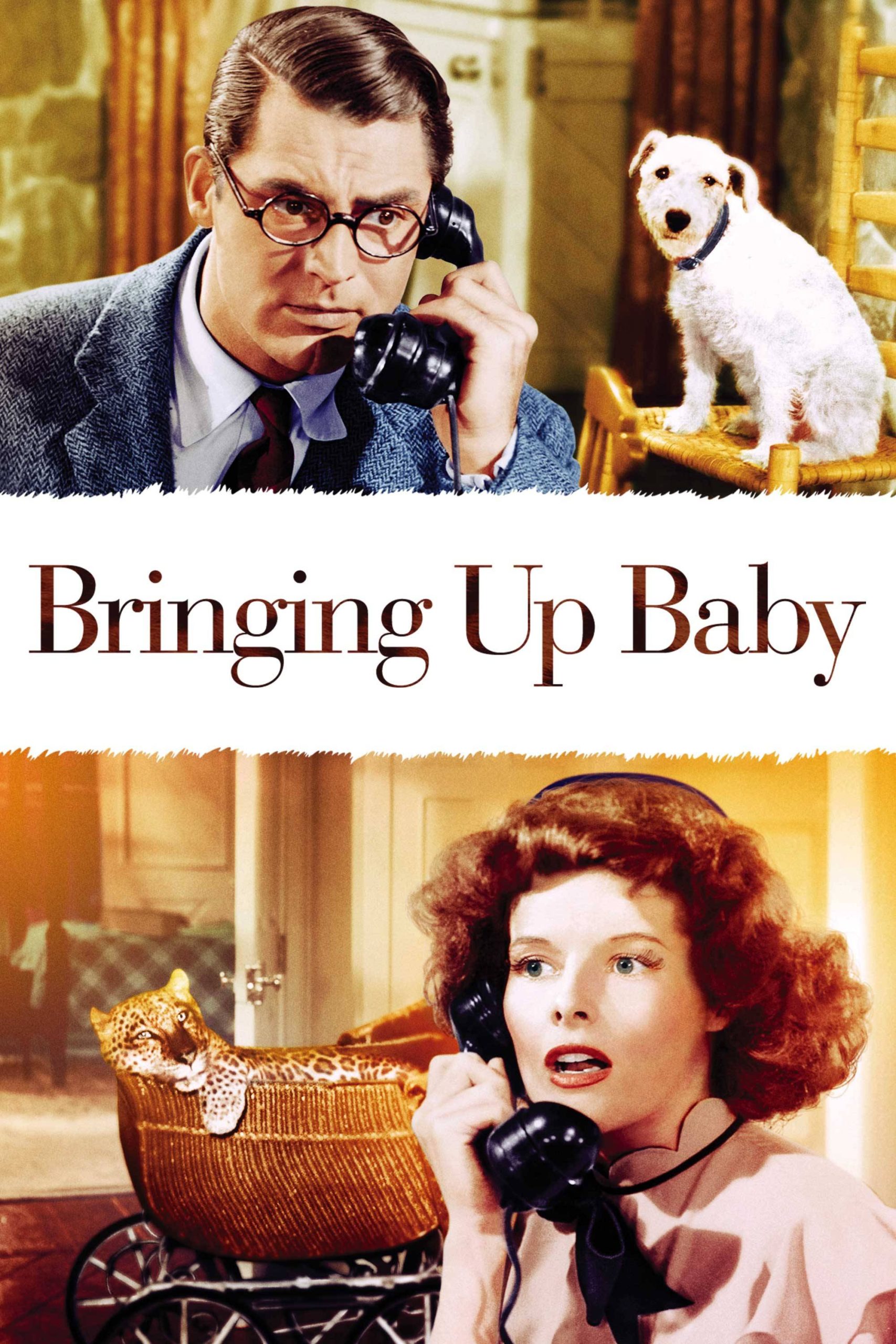
There’s such a wonderful tension that builds as I’m introduced to Katharine Hepburn’s Susan Vance and Cary Grant’s David Huxley. With each outlandish situation—a dinosaur bone gone missing, the sudden appearance of a tame leopard named Baby, social disasters stacking on top of one another—I couldn’t help but sense that I was in the hands of actors and writers who truly reveled in upending expectations. I think what struck me most as a first-time viewer was not only how genuinely funny the film is, but how the comedy arises from character, not circumstance. The lunacy isn’t just happening to these people; they create it, with boundless enthusiasm.
What lingers in my memory is that feeling of surrendering to “Bringing Up Baby’s” unreined spirit. There is a raw, unpolished spontaneity to the banter, to the physical gags, to the absurd escalation of events. For a moment, I wondered if I would ever find my footing amid the film’s avalanche of witty repartee and madcap contrivances. But gradually, I found myself swept along, grinning at the sense of playfulness and mischief that pulses through every scene. The joy here is contagious. Even more than 80 years after its release, the unpredictable rhythm and energy feel startlingly fresh to me.
I think the first viewing experience is an exercise in letting go. The more I tried to anticipate the next twist or make sense of how these wild scenarios tied together, the more the film nudged me to loosen up and enjoy the ride. My laughter came in waves—sometimes gentle, sometimes involuntary and loud. At the heart of it, “Bringing Up Baby” gave me permission to relish the joy of not needing all the answers. It felt like an invitation to delight in messiness, in surprises, in the glorious unpredictability of people and relationships. Every time I revisit it, I’m reminded of that first delightful jolt—the pure, exhilarating sensation of encountering a cinematic world where anything can, and will, happen.
Emotional Moments That Resonate
As the zaniness spirals on screen, I find myself unexpectedly touched by surprisingly tender moments that pierce the comedic façade. There’s a subtle ache beneath the film’s slapstick surface, and I didn’t realize until later just how fond I’d grown of these hapless characters. It’s in those quiet pauses—when Cary Grant’s perpetually harried David allows himself a rare, fleeting smile; when Katharine Hepburn’s Susan, so often the instigator of trouble, reveals a nervous vulnerability—that I see their humanity peeking through. Those scenes cast a gentle light over the absurdity, grounding the chaos in something oddly relatable.
One moment I cherish particularly is when Susan can’t help but admit, in her own unorthodox, roundabout way, that she’s driven by affection instead of pure mischief. It’s as if, for a beat, she strips away all her frantic bravado and lets her heart lead. There’s an almost childlike earnestness in her pursuit of David’s attention—a reminder for me that longing and uncertainty hide even behind the bravest faces. I find myself smiling at David’s flustered, desperate attempts to maintain normalcy, watching as his rigid exterior finally begins to crumble. Seeing the reveal of his softer side beneath the discomfort and exasperation draws me in, time and again.
But perhaps the most affecting thread, for me, is the way the film explores finding connection in unlikely places. The chaos that Susan inflicts on David is, at its heart, a catalyst for transformation. Instead of the sterile, predictable life David believes he wants, he is gently—and sometimes not so gently—shoved outside his comfort zone. It’s both hilarious and moving to watch someone realize they can be loved and accepted even when they’re at their most ridiculous. The deep resonance comes from the film’s faith in the redemptive power of silliness, and the idea that the people who truly change us often arrive wrapped in trouble and laughter.
Those moments when David and Susan share a glance—a quick, conspiratorial look amid the frenzy, a wordless recognition that they’re suddenly partners in misadventure—strike me as profoundly emotional. In an age when love stories are sometimes told through grand gestures or melodrama, I find the subtlety with which their feelings evolve to be quietly affecting. Underneath the laughter, I see two people discovering acceptance, surprise, and the freedom to be themselves. That, I think, is why “Bringing Up Baby” continues to touch me. Its emotional core seeps in almost unexpectedly, lingering long after the laughter fades.
How to Appreciate This Film Without Prior Knowledge
I remember when I first came to “Bringing Up Baby,” I was apprehensive. I knew little about screwball comedies, even less about Howard Hawks, and only that Hepburn and Grant were big names in old Hollywood. I worried: would the references go over my head, would the jokes feel dated? What quickly put me at ease was the film’s infectious spirit. I didn’t need a single footnote or background lesson; the story swept me along with pure, kinetic energy. The language is fast, the scenarios outrageous, but all it asked from me was willingness to play along.
There’s an immediacy to the comedy that needs no translation. Watching Susan’s gleeful disregard for social custom, or David’s desperate scramble to hang onto his sanity, I felt like a welcome co-conspirator in their adventure. The physical gags—math even a child could follow—the mounting sense of “how can things possibly get worse”—these are basic, universal pleasures. In fact, I came to appreciate that not knowing every custom or film history reference freed me to laugh simply as myself, without preconceptions of what classic cinema ‘should’ be. The film stretched a hand out, inviting me to join in the romping chaos, not to keep a reverent distance.
Over time, I’ve found that the fun is in the engagement, not expertise. The characters are drawn so vividly and the situations so expertly spun that anyone can root for the flustered underdog, or delight in the cleverness of outwitting authority. I didn’t need to know about the Hays Code or see every other screwball precursor; I just needed to let go and open up to the delightful absurdity of what’s in front of me. The magic of “Bringing Up Baby” is that it rewards curiosity, not knowledge. All the film asks is that I bring my own sense of fun—and if I do, it gives back more in laughter and warmth than I ever expected.
If you come to this movie knowing little, or nothing, about classic Hollywood, you lose nothing in terms of enjoyment. The film’s embrace is wide. I learned quickly that comedy is a language spoken through timing, wit, and the wonderful unpredictability of human folly. Within minutes, I wasn’t thinking about cinematic legends or the passage of time; I was simply laughing, caught up in the joyful, wild abandon of a story that wants nothing more than to sweep me up in its dance. The lack of background knowledge isn’t a barrier—it’s a blank slate, one that “Bringing Up Baby” is eager to color with pure, hearty fun.
Who This Film Is Best Suited For
- Those yearning to rediscover laughter through unfiltered physical comedy and rapid-fire wit
- Viewers seeking unconventional love stories that prioritize connection over convention
- Anyone ready to experience the surprise and delight of classic Hollywood for the very first time
A Beginner’s Final Recommendation
If you’re like me, standing on the threshold of the classics, uncertain whether “Bringing Up Baby” will hold up or meet your expectations, I encourage you: just dive in. Let yourself stumble, as I did, into the film’s storm of misunderstandings, pratfalls, and infectious charm. The best introduction to this movie isn’t through scholarly essays or mandatory viewing lists; it’s through sheer, unguarded experience. Allow yourself to laugh—really laugh—at the wild antics and soaring dialogue. The film rewards those who drop their defenses and let the comedy work its magic, just as David ultimately learns to let go of logic and open himself to another’s unpredictability.
There’s no wrong way to watch “Bringing Up Baby.” Whether you approach it as a newcomer to classic film or a casual viewer in search of pure comedy, you’ll find it brimming with life. Each line, every sight gag, and all those improbable situations pulse with an energy that feels as relevant and inviting today as it did generations ago. The film doesn’t expect perfection or prior knowledge—it only hopes you’ll join the movement, laugh at the mess, and maybe, as I did, find yourself moved by the real warmth hiding behind the mayhem. What matters is your presence, your curiosity. Let yourself be surprised. The rewards are immediate and lasting.
To understand whether timeless appeal still resonates today, modern reassessments are worth exploring.
🎬 Check out today's best-selling movies on Amazon!
View Deals on Amazon