Why This Film Is Beginner-Friendly
The first time I watched “Big Fish,” I felt wrapped up in a peculiar sense of wonder—like seeing an old family album come alive with fairy tales and tall tales mixing at every turn. For someone dipping their toes into the world of classic cinema, “Big Fish” is incredibly approachable. I think it’s because the story unfolds with a warmth and intimacy that feels familiar, even if the scenes themselves flirt with the fantastical. Unlike movies that might demand deep background knowledge or fluency in film history, “Big Fish” draws you in with universal themes: family, memory, aging, and the blurry line between reality and imagination. I remember smiling at how approachable the movie felt, even when its story zigzags between wild spectacle and down-to-earth family moments. The bright visual style, heartfelt performances, and relatable questions make it easy for a newcomer to settle in comfortably.
What struck me most is how gently the film introduces you to some of the best qualities of classic cinema—beautiful set design, strong characters, and moments big enough to stick with you, but never overwhelming. I never felt talked down to, nor was I lost among references I didn’t understand. Instead, I felt like I’d been let in on a touching secret: that movies from years ago aren’t intimidating or exclusive; they’re simply stories looking for someone willing to listen. For me, “Big Fish” bridges the gap between modern sensibilities and golden-age storytelling, and that’s what makes it an ideal doorway for beginners.
What to Know Before Watching
- While the story shimmers with modern effects, it’s built on old-fashioned storytelling—a kind of magical realism that might feel different if you’re used to strict, logical plots. Don’t expect every scene to be realistic or rooted in the present.
- Compared to many contemporary blockbusters, the film’s pace is more relaxed. I noticed moments where the film lingers on a memory or a visual detail, and as a newcomer I had to remind myself it was okay to slow down and soak it in.
- You might be surprised by how much “Big Fish” blurs reality and fantasy. At first, I found myself wondering what was “true” and what wasn’t—but after a while, I realized the film isn’t just about facts, but about the spirit of the stories we tell. That was unexpected and deeply moving for me, but it could catch you off guard if you’re bracing for straightforward answers.
Key Things to Pay Attention To
If I could give one piece of advice to someone about to watch “Big Fish” for the first time, it’s to follow your emotional response as much as the plot. What resonated with me wasn’t just the fantastical events themselves, but the feelings those moments stirred up—nostalgia, longing, confusion, hope. I found myself closely watching the characters’ faces, especially during scenes where stories are recounted or memories are challenged. Edward Bloom, the main storyteller, reveals so much in his mannerisms, and his son’s reactions formed the backbone of my experience. Suddenly, every exaggerated detail or impossible scene wasn’t just about spectacle—it was about love, regret, and the struggle to connect.
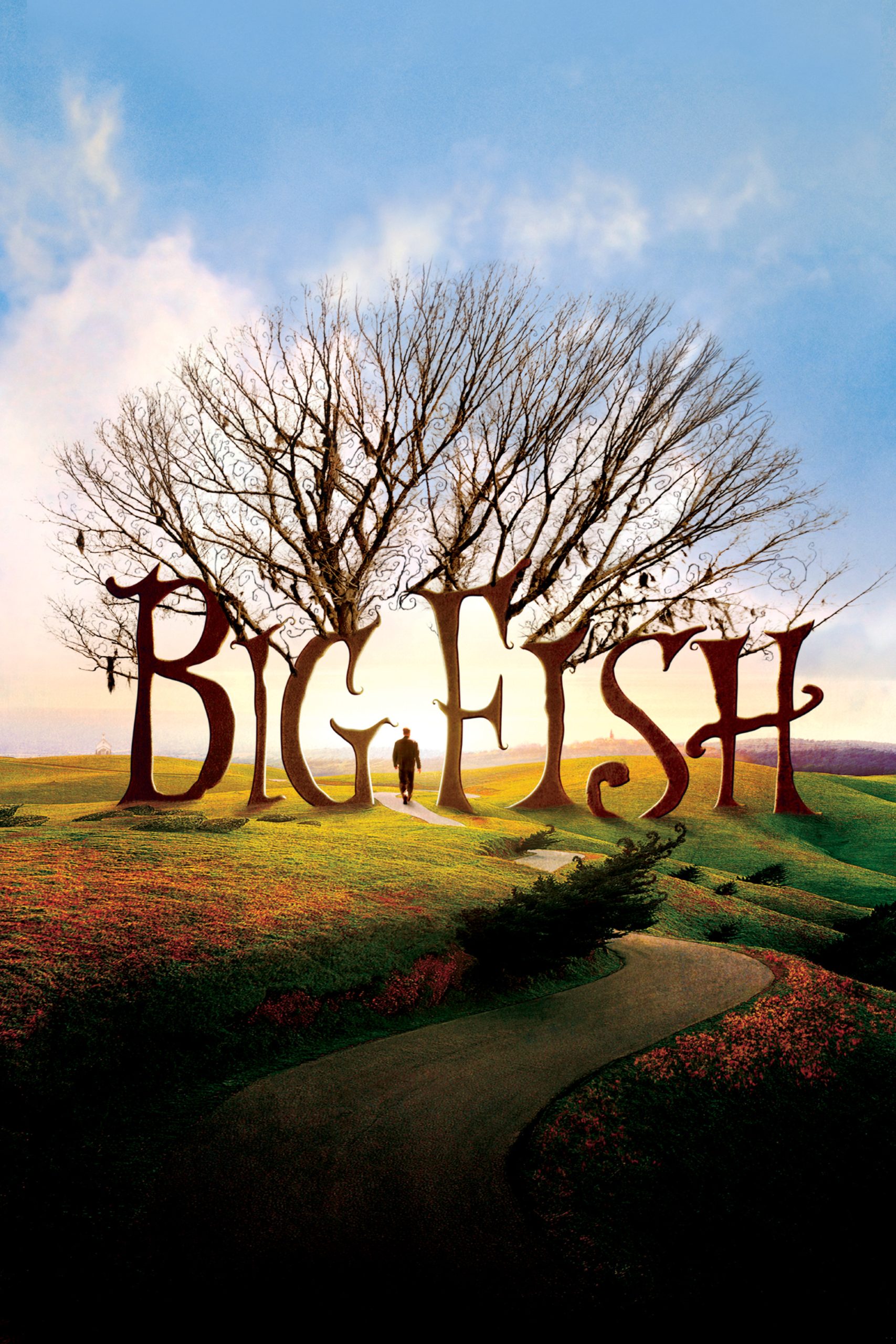
Visually, “Big Fish” is a feast for the eyes, and I’d urge any beginner to pay attention to color and scale. There are scenes washed in golden sunlight, deep blue hues, and even moments where reality seems to slip into a dreamy palette. I noticed every costume and background detail seemed carefully picked to spark delight or underline a mood. Rather than just admiring these choices, I let myself feel them—allowing the visuals to nudge my emotions along.
One of the most rewarding ways “Big Fish” guided me was through the use of tall tales and recurring symbols: giant fish, haunted woods, and circus spectacle. Even if I didn’t catch every reference or meaning, I could tell each fantastical element brought me closer to the heart of the characters. So if something odd or magical appears, I’d recommend you ask yourself, “What is this character really trying to say?” or “How does this story shape the way they see the world?” For me, that’s where the real magic of the film lives—less in the literal, more in the lived feeling of remembering, inventing, and longing for connection.
Common Misunderstandings for First-Time Viewers
- Thinking every story told is meant to be factual – When I first watched, I spent too long wondering if each of Edward Bloom’s tales was true. But as the film went on, I realized it doesn’t matter if the stories are factual; it’s how they echo the emotional truth of the characters that counts.
- Expecting a constant stream of action – I’ll admit, I expected quick thrills and rapid plot twists throughout, but much of “Big Fish” takes its time with conversations, tender moments, and slow reveals. It took a little patience on my part to appreciate just how rewarding that can be.
- Missing the humor and playfulness – At times, especially early on, I mistook the quirks of the movie for pure whimsy or strangeness, sometimes even thinking it was a bit silly. But as I watched, I caught on to how the film uses humor as a gentle bridge—it’s a way the characters cope with life, not just a diversion for the audience.
Is This a Good Starting Point for Classic Cinema?
In all honesty, I can’t think of a friendlier first step into classic cinema than “Big Fish.” The film feels like a loving handshake—a mix of old-world charm and contemporary warmth. When I started exploring older movies, I was nervous about feeling alienated by dated references or rigid storytelling, but watching “Big Fish” loosened all those fears. It gave me the feeling that classic films are not just relics, but living stories that invite us in. If you’re unsure about where to start, this movie captures the joy, mystery, and tenderness that the best films share.
What lights up for me, especially as someone who loves sharing films with newcomers, is the way “Big Fish” proves you don’t need to be an expert or film buff to be moved. The film encourages curiosity without intimidation. It lets you laugh, wonder, and feel sadness all in the span of two hours, and its lessons about seeing the world through someone else’s stories linger long after the credits roll. Even the more unusual elements—the oddball characters, surreal visuals, flights of fancy—are balanced by genuine affection and a focus on relationships that anyone can relate to. I felt taken care of, and I think you will too.
So if you’re ready for a movie night with a classic spirit but an open, generous heart, I’d say go for it. Start here. Sink into the worlds within worlds, and let “Big Fish” show you what classic films can offer: imagination, connection, and a chance to see the extraordinary within the ordinary. You don’t need anything except a little curiosity—and the willingness to let a film tell you a story the way a dear old friend might. That, for me, is what makes it the perfect welcome mat for classic cinema.
If you’re wondering how this film compares to others that have stood the test of time, these may help.
🎬 Check out today's best-selling movies on Amazon!
View Deals on Amazon