
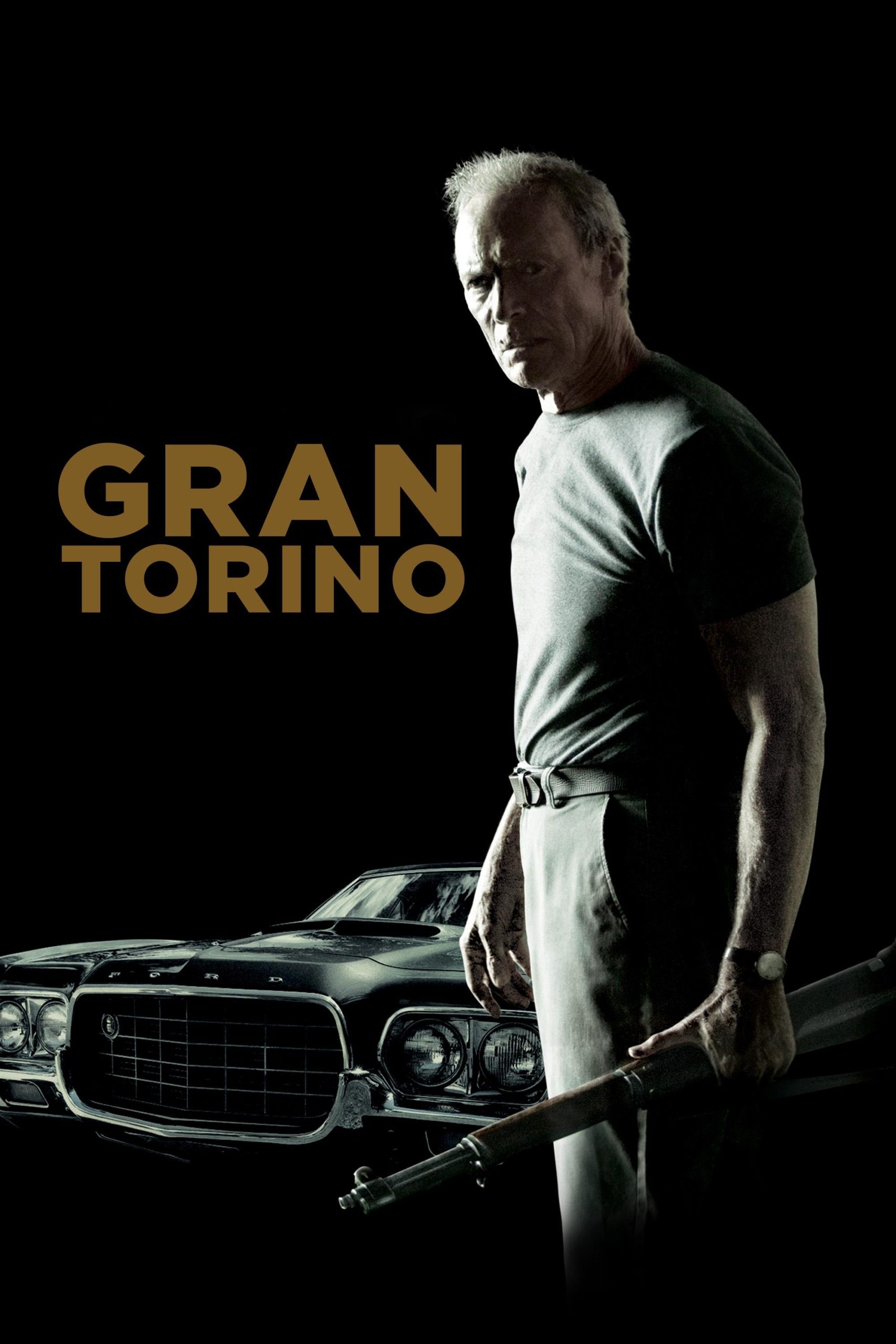
Why This Film Is Beginner-Friendly
When I first watched “Gran Torino,” I was surprised by how approachable it felt, especially when compared to other films often labeled as classics. For me, many older classic films felt distant or overly stylized, but this movie offered a bridge between the world of “classic cinema” and something I already understood. Its contemporary setting, straightforward storytelling, and everyday characters made the emotions and situations easy for me to relate to. Even though it came out in 2008, I realized it’s quickly finding a place among movies that will be revisited and discussed decades from now. The language, themes, and underlying moral questions are crystal clear, and I didn’t need any special background knowledge to connect with what was happening on screen.
At its core, the story is about someone wrestling with personal beliefs and changing times—something I think just about anyone can grasp, regardless of how new they are to films with “classic” status. There was no need for me to decode complicated symbolism or recognize hidden references; the main character’s journey is front and center. I didn’t feel like I had to be a film buff or historian to appreciate what the movie was saying about culture, aging, or forgiveness. If you’re wary of starting your dive into classic films with something intimidating or overly complex, I found this to be a warm, if sometimes stark, introduction.
What to Know Before Watching
- When I settled in to watch for the first time, I noticed that “Gran Torino” doesn’t look or sound like old black-and-white classics. There’s no old-fashioned wardrobe or vintage slang. But I quickly picked up on a few things that might be worth keeping in mind:
- Some of the attitudes and language in the film feel deliberately abrasive. I was taken aback by the blunt talk and racial slurs at first, but it became clear to me that these serve to challenge and transform the characters, not just to shock the viewer.
- Compared to action-heavy blockbusters or fast-paced editing in recent films, the pacing here is somewhat measured. I found that scenes were given time to breathe, which allowed the tension to build naturally, but it’s definitely not non-stop spectacle.
- This film is grounded very much in everyday life. I noticed that the struggles, the setting (a midwestern neighborhood in decline), and even the way characters interact over small things like a handshake or a cup of coffee all serve the story.
- Clint Eastwood’s presence as both director and lead actor lends a particular weight to the movie. If you’ve never seen him before, his calm, weathered style might look a little understated at first, but for me, that restraint only amplified his character’s emotional journey.
- There’s a surprising undercurrent of humor—dry, sometimes even a bit awkward—that took me by surprise. These lighter moments provided me with welcome relief from the heavier themes and made the main character feel more human.
- One more thing: the lessons explored are universal, but they are wrapped up in the traditions and struggles particular to American culture. If you’re new to stories about suburbia or generational conflict, just know that the film is designed to walk you through these themes gently.
Key Things to Pay Attention To
Whenever I revisit this film, I’m always drawn to the small details that reveal the characters’ inner worlds. I pay close attention to every gesture from Walt (Eastwood). His silences, awkward pauses, and the way he clings to routine told me a lot about how he sees himself and the world changing around him. I’d recommend watching how he interacts with his neighbors, especially the Hmong family next door. It’s in the mixture of suspicion, stubbornness, and—gradually—kindness that his transformation really comes to life.
I also like to focus on the small, seemingly mundane exchanges. Simple scenes—a car being washed, a family meal, or a timid knock at the door—hold a lot of weight. After my first viewing, I realized those quiet moments were as important to the story as the bigger confrontations or climactic decisions. Emotional shifts often happen not through what’s said, but what’s left unsaid, whether it’s a long glance or a gruff refusal to apologize. The film invites first-time viewers like me to really look at what’s happening between the lines.
On another watch, I noticed how the neighborhood itself feels like a character. As houses are abandoned or vandalized, I started thinking about what it means to hold on to the past and whether people can create new connections in unexpected ways. The music and sound design are subtle but effective—I found myself paying special attention to moments when everything went quiet, leaving only the sounds of a ticking clock or distant traffic. These helped me feel the weight of loneliness or the hope buzzing beneath the surface.
For me, the most moving part is watching how Walt’s perspective shifts. If you follow the way he slowly opens up, relearns how to show care, and tries to right his past wrongs, you’ll get the heart of what “Gran Torino” wants to say. I think if you focus on these quiet shifts in attitude, you’ll end up finding the film’s meaning right along with the characters—no advanced film knowledge required.
Common Misunderstandings for First-Time Viewers
- Misunderstanding 1 – Some people, myself included at first, might think the main character is simply a grumpy old man stuck in his ways. But as the film unfolded for me, I realized that beneath Walt’s anger and harshness is deep loneliness and regret. This story isn’t about celebrating stubbornness—it’s about the slow, painful process of breaking through it.
- Misunderstanding 2 – It’s easy to assume that “Gran Torino” is supposed to be an action or revenge movie, given Clint Eastwood’s history with those genres. When I watched it, I discovered it’s far more interested in the messy reality of forgiveness than in violence or heroics. The big moments are emotional, not explosive.
- Misunderstanding 3 – On the surface, it might look like the film is just about generational conflict or cultural differences. My experience was that these issues are presented to reveal the limits and possibilities of human connection, regardless of background. I found unexpected warmth in relationships that looked impossible at first glance.
Is This a Good Starting Point for Classic Cinema?
Speaking completely from my own journey into classic films, “Gran Torino” felt like one of the gentlest introductions I could have found. It has the emotional weight, memorable performances, and timeless questions about what it means to change and care for others—traits I now realize many classic films possess. But what makes it especially welcoming for new viewers like me is how straightforward and grounded it is. Whether you’ve never watched a Clint Eastwood film or are just starting to explore stories outside your comfort zone, I believe you’ll find something here that feels both familiar and fresh.
I didn’t need to bring any film theory or specialized knowledge to enjoy or understand this movie. Rather, it was the honesty of the story, the complexity of its characters, and the hope tucked inside moments of hardship that drew me in. If you want to watch an accessible, meaningful film that opens the door to deeper themes without being overwhelming, I can’t recommend this one enough. My advice? Watch it with an open mind, pay attention to the little things, and let the story surprise you. That’s how I got started—and why I think “Gran Torino” makes a fantastic first step into the world of classic cinema.
If you’re wondering how this film compares to others that have stood the test of time, these may help.
🎬 Check out today's best-selling movies on Amazon!
View Deals on Amazon