
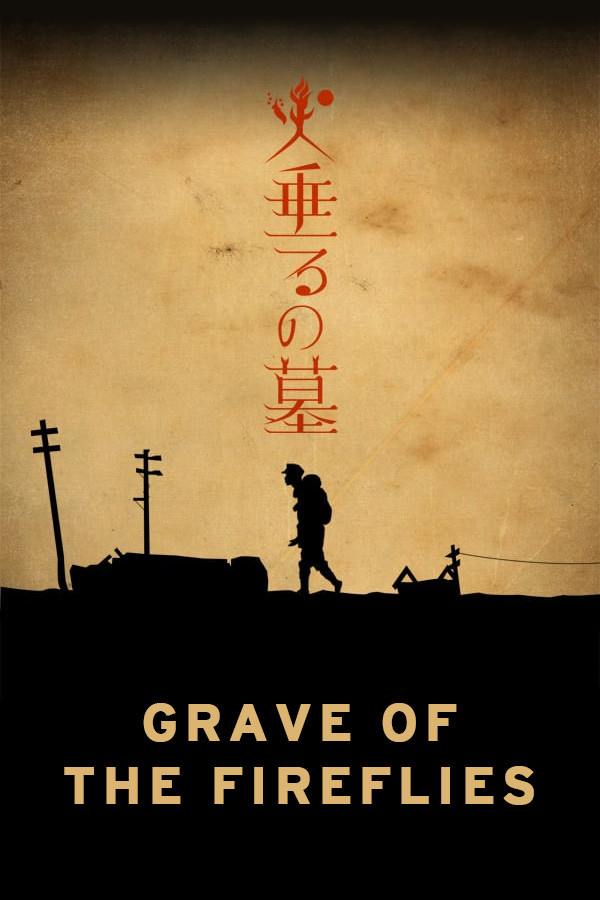
The First-Time Viewing Experience
When I watched “Grave of the Fireflies” for the very first time, I remember a sense of quiet anticipation giving way to an overwhelming emotional flood that built slowly, scene by scene. I had heard whispers and warnings—this film was not like most animated movies, and even among “war dramas,” it stood apart. I braced myself, but nothing quite prepared me for the deeply personal journey that unfolded. As I followed the siblings Seita and Setsuko, I felt myself entering an intimate world woven from both childhood innocence and the stark terror of loss. I was struck by how immediately I was drawn in—not just as an observer, but as an emotional participant in their daily life, their small joys, and especially their escalating hardships.
During the first viewing, certainty and comfort faded quickly. I felt an unsettling awareness growing inside me: every small moment mattered. Even a gesture as simple as offering a fruit drop to a sibling had a heartbreaking significance. I will never forget the way my own sense of hope tangled with dread as the siblings searched for safety. In my experience, the film’s quiet, almost poetic pacing gives you space to breathe and process what is happening, but it also leaves plenty of room for your emotions to fill in the silence. There’s a particular kind of suspense at play here—not about what explosive event might happen next, but rather about how much longer these fragile moments of childhood wonder can endure under such pressure. I found myself torn between awe at the beauty of the animation and the dreadful power of knowing this story was rooted in a larger, unspeakable tragedy.
Reflecting on my first time, it’s the contrast between detail and devastation that lingers most. I was captivated by the gentle way nature is depicted: the glowing fireflies, the flickering of water, even the streaks of summer light that filter through ruined buildings. It’s a sensory immersion that anchors you, making the heartbreak that unfolds feel all the more real and inevitable. “Grave of the Fireflies” is one of those rare experiences that can catch even first-time viewers off guard—who, like me, may start the film expecting resilience or perhaps a modest triumph, and instead find themselves in tears, thinking about war, memory, and lost childhood long after the credits roll.
Emotional Moments That Resonate
Even though my first encounter with this film dates back years, certain moments still have a raw, immediate resonance any time I revisit them in memory. The haunting opening—in which I was confronted by the fate of Seita amid flickering station lights—establishes a somber clarity; I didn’t just witness a story, I shared in the irreversible loss from the outset. For me, the way the film interlaces innocence and devastation leaves the hardest-hitting emotional marks. I remember feeling the bitter warmth of a shared tin of candy between brother and sister—how something so small became a lifeline, a symbol of safety and love. There’s an indelible poignancy in the way Setsuko clings to this simple pleasure. That moment, for me, has always illustrated how, even amid overwhelming darkness, memory and comfort can crystallize in the tiniest objects.
One scene that echoes through my mind is Setsuko’s attempts at daily play, making toy meals out of rocks and leaves. These simple acts swept me into childhood nostalgia while simultaneously tearing at my heart. I found myself reflecting on the world’s many children who must invent normalcy amidst chaos. The emotional precision of the animation—the tearful, wide-eyed confusion, the fragile giggle—feels as real as any live performance. There’s an understated moment when Seita, desperately trying to protect his sister, lies about their mother or their future—something in his posture and voice nearly undid me. I felt his desperation, his hope, his guilt, and his crumbling sense of responsibility.
Perhaps what resonates most in today’s world is what this film refuses to do: it doesn’t romanticize suffering or offer easy catharsis. On my first viewing, I kept longing for some miracle reprieve. Instead, I was left with a powerful vulnerability—one that connects deeply with anyone who has experienced or witnessed helplessness. In these moments of truth, I’ve seen that modern audiences—especially those who value authentic storytelling—can’t help but be moved. The story’s raw emotion doesn’t fade with time; if anything, it feels more urgent, more necessary, every year I return to it.
How to Appreciate This Film Without Prior Knowledge
I often reassure those considering their first viewing that “Grave of the Fireflies” truly requires no background expertise—no in-depth study of World War II, no familiarity with anime, not even prior knowledge of Japanese history. When I sat down with the film, I felt a bit intimidated by its reputation. Would I miss important subtleties or be lost in the particulars of a distant culture? Yet, as the story unfolded, I realized the emotions at its heart are universal and immediate. The way the film focuses on the sibling relationship, the pulse of fear and hope, and the persistent struggles to hold on to dignity and love in desperate circumstances—all of this speaks a language anyone can understand.
My own first time was defined less by what I knew and more by what I felt. The small, evocative details—like the sound of cicadas, the faint glow of fireflies, or the laughter, unburdened and ephemeral—are touchstones that reach beyond space or era. I didn’t need historical context to perceive the tragedy of war’s impact at the most personal, intimate level. In fact, not knowing too much about the setting heightened the sense of discovery and immediate empathy for me. I was able to fully surrender to the film’s tone, letting it guide me emotionally rather than intellectually. I think that’s an ideal way to embrace “Grave of the Fireflies”—without filters, without the need to analyze as you go, simply taking in the moment with open-hearted attention.
If I could share one piece of advice for first-timers, it’s that any nerves or preconceptions can be left at the door. This is not a film that will test your knowledge, but rather one that will gently—sometimes painfully—draw out your sympathies and imagination. Whether or not you’ re an anime enthusiast, a history buff, or simply curious, I found that approaching it with a willingness to feel, rather than to “decode,” allowed for the most profound and lasting experience. The strength of your response, your personal perspective, will become its own kind of understanding.
Who This Film Is Best Suited For
- People who seek deep, emotional storytelling that lingers long after the screen goes dark
- Viewers who appreciate richly animated films that engage with real human hardship
- Anyone new to classic world cinema who wants to encounter a story told through a child’s eyes
A Beginner’s Final Recommendation
When I revisit my first encounter with “Grave of the Fireflies,” I remember the vulnerability it demanded and the quiet transformation it inspired in me as a film lover. I was reminded of animation’s power to hold up a mirror to our most human frailties, to bear witness to hope and heartbreak alike. If you’re standing at the threshold—unsure whether or not to take the plunge—I encourage you to trust that you will find something here that resonates uniquely for you. It might tug memories from your own childhood, or awaken compassion for those who endure hardship far beyond your experience. Do not worry about “getting it right” or understanding all the historical threads; the film meets you wherever you are, and rewards your honesty in return.
I would suggest sharing the experience, if possible, with someone close, or allowing yourself a little space afterward to reflect. My own first viewing ended in quiet contemplation and a renewed appreciation for those small, everyday blessings we too often overlook. I found a strange comfort in the emotional ache—the film’s willingness to mourn, to honor love lost, and to insist on remembering. If you open yourself to it, “Grave of the Fireflies” will likely remain with you, both as a gentle companion and a sobering reminder of the cost of innocence. For any first-timer seeking a truly impactful classic, this is the sort of film I wish I could watch again for the first time—full of anticipation, empathy, and discovery.
To understand whether timeless appeal still resonates today, modern reassessments are worth exploring.
🎬 Check out today's best-selling movies on Amazon!
View Deals on Amazon