
Why This Film Is Beginner-Friendly
The first time I sat through “Gravity,” I realized how inviting and exhilarating the world of visually stunning cinema could be, even for someone who hasn’t seen many so-called “classics.” I remember thinking, “If every classic film felt as immediate and gripping as this, I’d never want to watch anything else.” What surprised me most was how easily I could connect with the film’s emotional core, despite its extraordinary setting in outer space. I didn’t feel overwhelmed by old-fashioned movie language or references I had to look up; instead, the film pulled me in from the first breathless moment. I found myself rooting for the characters, amazed by the sheer scale of what I was seeing, yet never once feeling lost.
For anyone cautious about dipping their toes into older or more celebrated “classic” titles, I can honestly say “Gravity” serves as a perfect starting point. While it’s only been in the world for a decade, it’s earned a place as a modern classic because of its inventive filmmaking and relatable, clear emotions. Unlike some films that require background knowledge or a tolerance for slower storytelling, this movie gives you the thrill of cinema at its most pure and direct. The experience is less like studying a piece in a museum and more like stepping onto a ride that gets your heart beating and your imagination racing.
One thing I keep coming back to is how breathable “Gravity” feels for first-timers. There’s nothing dense or intimidating here—no complicated plot webs, no convoluted dialogue, and no historical baggage to puzzle through. Every moment feels intended for people to simply watch and feel, with no barrier between you and Sandra Bullock’s journey. The film’s pacing, emotional stakes, and startling visuals reminded me why art made for everyone often becomes celebrated art over time. If you’re hesitant to try a classic film because you think it’ll talk over your head, I found “Gravity” makes you feel welcome and part of the journey.
What to Know Before Watching
- When I saw “Gravity” the first time, I was amazed by its use of long, unbroken shots. This style, where the camera follows seamlessly without quick cuts, felt a little different from the choppier editing I’m used to in fast-paced action movies. Some viewers may find these sequences unusual at first, but to me, they ended up being utterly captivating—there’s a sense of being right there with the characters, not just watching from a safe distance.
- The movie’s pacing often swings between intense action and stretches of quiet reflection. Unlike some Hollywood blockbusters packed with constant noise and chaos, “Gravity” isn’t afraid to let you just exist in silence. My first instinct was to expect more chatter or explosions, but I learned to appreciate how meaningful those pauses became—they’re like a breath taken before a big leap, building tension in unexpected ways.
- The setting in space means that certain sounds and movements defy what you might expect from Earth-based films. I’ll admit I was momentarily startled the first time something exploded without a sound, or when the laws of gravity (no pun intended) played out in such unique ways. The details felt authentic, yet unlike the rules I’m used to seeing in other genres. It often left me wide-eyed, noticing just how well the movie communicates the feeling of weightlessness and isolation.
- The cast is remarkably small—basically just one or two characters. For someone raised on sprawling ensembles or quick character swaps, I was surprised by how well the film holds your interest with such an intimate focus. If you’re used to films with lots of faces and subplots, embracing this simplicity can be really freeing; I found myself more emotionally invested because there were fewer distractions.
- Lastly, I wish someone had told me not to expect a traditional “space adventure” full of new planets or alien encounters. “Gravity” strips things down to the bare essentials—survival and the human spirit. That focus keeps everything focused and intense, but it’s a different tone than other space stories. It made me appreciate what a single human can achieve, given the right blend of heart and hope.
Key Things to Pay Attention To
From my own experience, the most rewarding way to watch “Gravity” is by focusing on the emotional journey of Dr. Ryan Stone, played by Sandra Bullock. I found myself glued to her face—her breathing, her panic, her moments of calm. Even though she spends much of the film alone, each closeup reveals a world of feelings: fear, grief, hope, and stubborn determination. I felt my understanding of the character open up with every subtle expression.
Another thing I kept noticing was how the movie uses visuals to heighten the experience. The film’s director, Alfonso Cuarón, paints with light, shadow, and motion in a way I hadn’t quite seen before. Whenever the camera spins or floats alongside the characters, I felt like I’d been pulled into their disorienting world. There were moments when the emptiness of space seemed to stretch forever, then—suddenly—I’d be thrust close to Ryan’s frantic, almost claustrophobic perspective. I recommend paying close attention to how your own feelings change with each shift in camera movement or perspective. It’s like the movie is reminding you how small—and resilient—a person can be in the face of the impossible.
I also found it useful to listen to the soundtrack carefully. Since space is silent, the music fills in the emotional landscape more than thunderous sound effects ever could. I’d advise any newcomer to focus on how the soundtrack carries the story when words are scarce or when the environment is eerily quiet. It’s a perfect way to appreciate how movies can speak volumes even without dialogue.
Finally, I would encourage you to notice how the film explores big, universal ideas—letting go, starting over, and finding strength after loss. Instead of spelling everything out, “Gravity” trusts the viewer to sense these themes through the character’s actions and the stark beauty of the setting. I felt a real connection to Ryan’s story, not because someone explained it to me, but because the film let me feel it firsthand. If you pay attention to those undercurrents, the film becomes less about outer space and more about inner resilience.
Common Misunderstandings for First-Time Viewers
- Thinking “Gravity” will explain every technical detail – I once assumed the movie would pause frequently to break down the science of space travel. Instead, I discovered that it focuses on emotional truth and the human side of survival, using enough scientific realism to immerse us, but never indulging in classroom lectures or technical jargon.
- Expecting an ensemble space adventure – Early on, I thought more characters or subplots would join the story as it went on. In reality, the film keeps things tight, staying almost entirely with Ryan Stone. That focus may feel narrow at first, but I ended up feeling more for her because the story didn’t dilute the tension or intimacy.
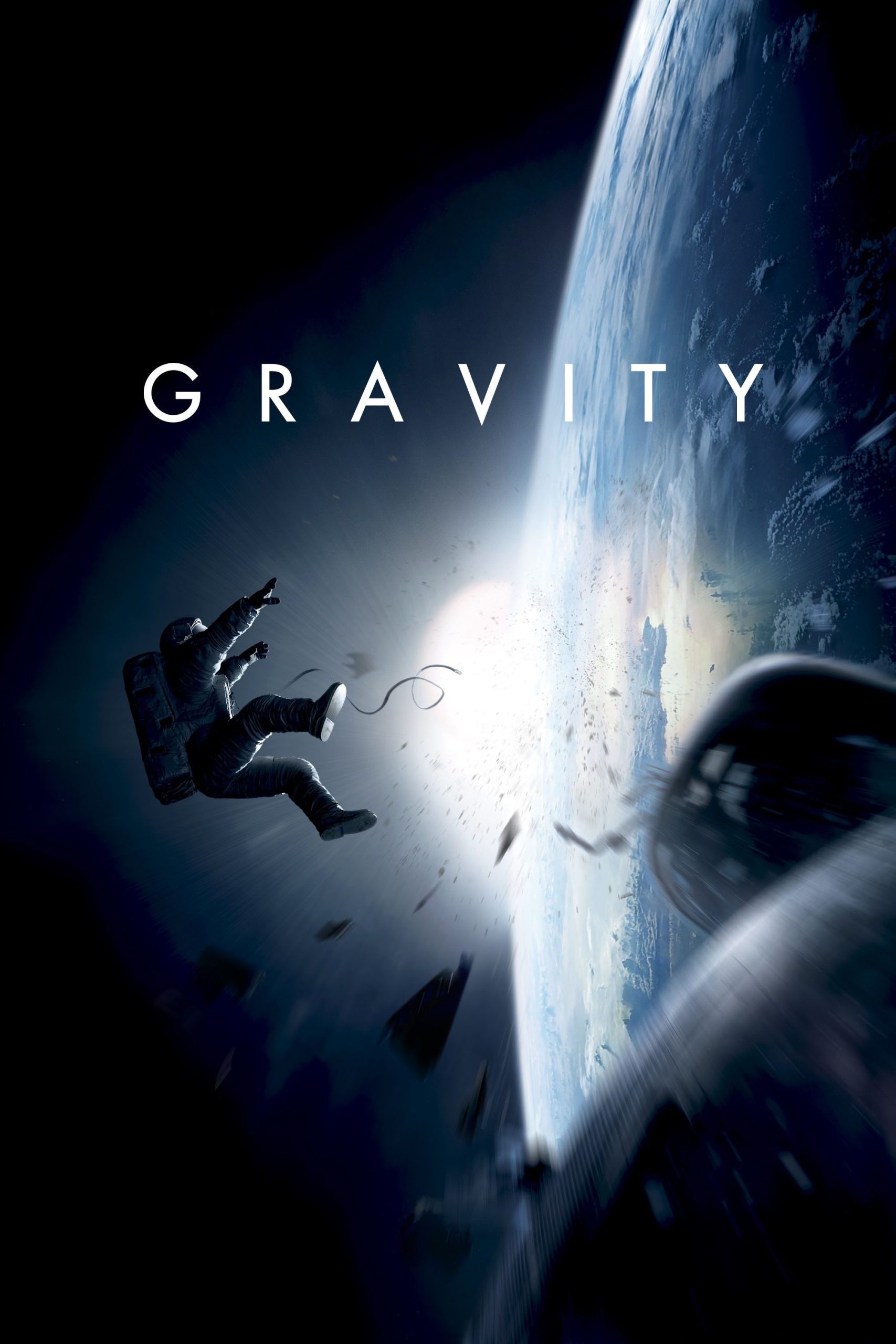
- Believing it’s all about special effects – My first impression, from the movie’s promotional art and trailers, was that the film would be a slick visual spectacle with little else to offer. While the effects are breathtaking, I soon realized the real draw is the emotionally driven, almost meditative survival story at its heart.
Is This a Good Starting Point for Classic Cinema?
If you’re new to classic films and feeling a little unsure about where to begin, I can wholeheartedly say that “Gravity” offers one of the smoothest and most exciting entries into cinema that stands the test of time. I’ve met many newcomers who worry about classic films being slow, confusing, or outdated. When I introduce this film to friends, they walk away surprised by how accessible and emotionally compelling it is, regardless of when it was made.
What excites me most about recommending “Gravity” is how it strips away any expectation that a classic film requires homework or a taste for the “old-fashioned.” This movie is modern in look and feel, yet carries with it the craftsmanship, emotion, and ambition that make a film last. I never felt left out by references I hadn’t studied, or alienated by storytelling from another era. Instead, I was drawn into a direct, universal story that anyone—even those with zero background in cinema history—can instantly get swept up in.
For all these reasons, I see “Gravity” as a shining example of how a classic can be vibrant, pulse-pounding, and incredibly approachable for beginners. In my own journey, films like this made me realize that “classic” isn’t about age—it’s about lasting impact. So if you’re on the fence, trust me when I say this is a journey that will not only thrill you, but also open up your curiosity for everything else cinema can offer.
If you’re wondering how this film compares to others that have stood the test of time, these may help.
🎬 Check out today's best-selling movies on Amazon!
View Deals on Amazon