
Why This Film Is Beginner-Friendly
Watching Goodfellas for the first time, I remember feeling immediately at home in a world that seemed both foreign and strangely familiar. I think this is what makes it such a great introduction for anyone dipping their toes into classic cinema. The movie strikes a balance between something that feels larger-than-life and yet utterly relatable, which isn’t always the case with older films. Unlike some classics that demand a specialized knowledge of film history or rely on theatrical acting styles, I found that Goodfellas drops you right into its story and lets you get swept up by pure energy and storytelling. There’s an immediate sense of movement, action, and character that doesn’t require a study guide or prior exposure to the gangster genre. For me, that’s evidence of how approachable it really is. I didn’t need to bring any background or previous experience—only my curiosity and a willingness to see how a filmmaker can draw you so completely into another world.
One of the main reasons I recommend this film to beginner viewers is its sheer entertainment value. I never felt like I was being lectured on history or tested on my film vocabulary. Instead, I got the excitement of a real-life crime story, told with constant momentum. Even though it’s packed with memorable moments and a big ensemble cast, I didn’t feel lost or overwhelmed. The director made sure each new situation or character felt vivid and alive. It’s that combination of fast-paced storytelling, humor, danger, and emotional highs and lows that kept me glued to the screen. If you want a classic film that doesn’t feel like “homework,” this one never comes off as dated or dry.
Another reason I think it works so well for newcomers is that its themes—ambition, loyalty, betrayal, temptation—are immediately accessible. I could relate to the characters’ hopes and anxieties even if I didn’t share their lifestyle. Their motivations felt clear, their personalities electric, and their journey surprisingly heartfelt. Goodfellas also does a great job of showing you both the glamor and the grim reality of its world, and that honesty gives it a freshness that still feels modern.
What to Know Before Watching
- Because it’s from 1990, Goodfellas doesn’t use a lot of digital effects, so most scenes rely on practical filming and real locations. This gives it a texture I didn’t expect, but newcomers might initially notice fewer visual flourishes compared to many of today’s movies.
- The storytelling, to me, sometimes breaks away from a straight, chronological structure and instead unfolds through the eyes (and voice) of the central character. I found this both exciting and a bit startling at first, especially with how often the main character talks directly to the viewer through narration.
- I was surprised by the film’s willingness to switch tone in a heartbeat. One moment, I was laughing at the characters’ banter, and the next, I found myself caught off guard by shocking violence or sudden bursts of tension. It’s a mix that gives the film its punch but may take a few minutes to adjust to if you’re used to more streamlined, predictable movies.
- Some scenes make use of classic rock and doo-wop songs rather than an original, orchestral soundtrack. I loved how this music adds excitement and personality to every moment, but if you’re expecting old-fashioned movie scores, be prepared for something much livelier and very different than what you might anticipate in “classic cinema.”
- The movie is based on true events, and to me, that gave an extra edge of realism. Still, certain aspects—like the heavy use of slang and specific references to Italian-American culture or the inner workings of organized crime—might feel unfamiliar at first. I wouldn’t let that intimidate you; I found the film does a wonderful job of letting you pick these things up naturally as it goes along.
Key Things to Pay Attention To
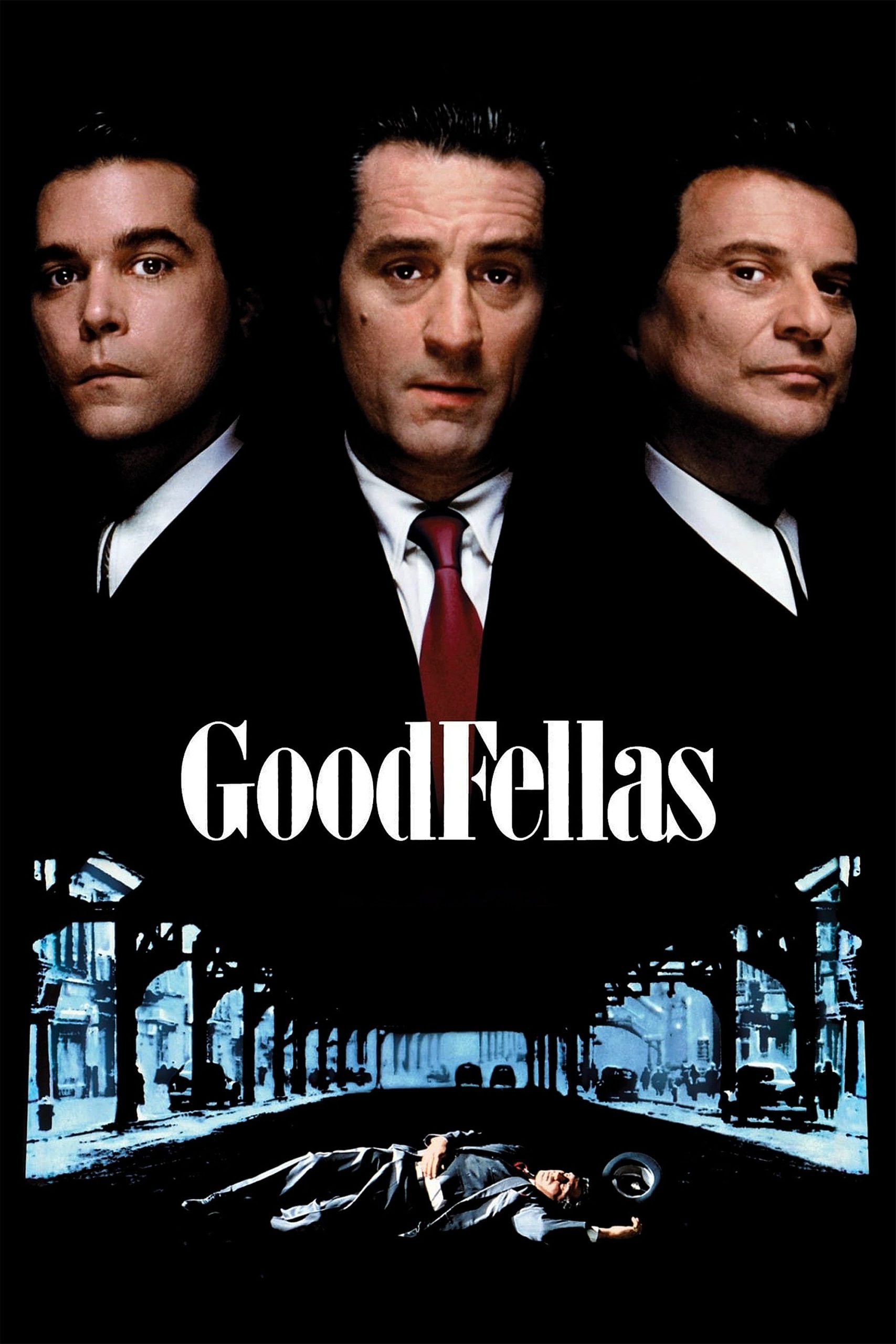
If there’s one thing I wish I could whisper to every first-time viewer as the opening credits roll, it’s this: let yourself be swept along by the personalities of the characters. When I watched Goodfellas, I found my eyes always gravitating toward the central trio—the way they expressed themselves, shifted alliances, and reacted to both triumph and catastrophe. These aren’t cartoon gangsters, but people whose choices and vulnerabilities are on full display. I think paying attention to their changing relationships is what really anchors the story.
Another thing that struck me is how the film doesn’t just tell you what’s happening—it shows you. Scenes are loaded with visual cues and details. I started noticing the way certain restaurants are lit, the clothes everyone wears, the expressions in crowded back rooms. All of these details communicate shifts in mood or the hidden stakes of conversations, even when nobody says a word. For a beginner, my advice is to look for those moments where someone glances around a room or lingers on an object. These little choices often say as much as the dialogue itself.
Sound plays its own part. I probably didn’t realize on my first watch how much the musical choices and background noises were tying me to a particular era or escalating a sense of chaos when things start to go wrong. Let your ears pick up on this—there’s a running rhythm to the music and the dialogue, and letting yourself notice the change in tempo during key scenes can make the experience even richer.
The film moves at a steady clip, so my other piece of advice is: don’t worry if you miss a detail at first. I personally found that just soaking up the momentum and focusing on big emotional moments—their anxieties, joys, and nervous excitement—helped me connect with the film even before I knew everyone’s name or understood every event. It’s a story that rewards attention, but it never punishes you for getting lost in a detail or two along the way.
Common Misunderstandings for First-Time Viewers
- Some people see the fast-talking, flashy style and think the movie is simply “glorifying” crime. But what I realized is that, after dazzling you with the perks of the lifestyle, the film slowly reveals the heavy price everyone pays. The early scenes of glamour are there to pull you in, but the movie doesn’t shy away from the consequences. It’s more interested in showing why that world is so tempting—and so dangerous.
- It’s easy to think that all the characters are supposed to be likable, or that you should admire their actions. For me, much of the impact comes from not knowing how to feel about them—sometimes rooting for them, other times feeling queasy about their choices. I had to remind myself that movies like this aren’t asking me to approve of their behavior, but to understand why people make risky, emotional decisions and what happens when things spiral out of control.
- A lot of classic films seem distant or overly artistic, and there’s a mistake in believing that Goodfellas is only for film buffs or people who already know the director’s other work. I was amazed at how direct and immediate the storytelling feels. No homework is needed; you don’t have to have seen any other gangster movies. I found it fun—and sometimes nerve-wracking—to experience everything with fresh eyes.
Is This a Good Starting Point for Classic Cinema?
If you’re new to classics and wondering where to begin, I can’t think of many films that grab you as quickly and draw you in as completely as Goodfellas. When I first settled in to watch it, I was nervous—would it be too intense, too outdated, too “inside baseball” for someone like me, who didn’t grow up on mob movies? It turns out, the energy and emotional clarity of the storytelling made all of that irrelevant. I found myself instantly invested, carried along by characters who felt alive and flawed in all the best ways.
What makes it a perfect entry point, in my view, is its surprising blend of entertainment, emotional heft, and storytelling craftsmanship. There’s a kind of movie magic here that reminded me why classics are classics—not because they’re old, but because they keep speaking to new generations. I loved that I didn’t have to wade through slow exposition or heavy symbolism; instead, I could just be swept up in a world I had never stepped into before. It manages to be accessible, riveting, and surprisingly funny, all at once. For anyone worried that “classic cinema” means dry, slow, or hard to follow, this movie is proof that those fears are misplaced. It’s a film that will make you feel, laugh, squirm, and—maybe most importantly—want to watch more from the golden vaults of film history.
If you’re wondering how this film compares to others that have stood the test of time, these may help.
🎬 Check out today's best-selling movies on Amazon!
View Deals on Amazon