The First-Time Viewing Experience
Even now, years after “Good Will Hunting” first quietly arrived on my screen, I remember what it felt like to step into its Boston world for the very first time. I approached it skeptically, thinking maybe its reputation had been built on a single speech or a tearful scene. But sitting back, letting the first shots of wintry Massachusetts flicker across the room, I quickly became unmoored from my preconceptions. For me, that opening—soft, blue-collar, unhurried—felt like being led tenderly by the hand into a neighborhood I’d never visited but somehow knew. The anticipation gave way to connection. I noticed how the dialogue was remarkably natural, the kind of talk that feels overheard at a bar and not meticulously scripted. I remember marveling at how the world in the film—combative, bruised, but intensely loyal—echoed neighborhoods I’d seen, even though they weren’t mine.
As the story unfolded, I found myself on edge, not in suspense for a plot twist, but because the movie seemed poised to ask questions I’d long avoided about myself and about the quiet, overlooked pain that lives inside so many. For a first-time viewer today, I imagine that sense of surprise is still sharp: instead of a period piece or a dusty “classic,” the film’s moods and anxieties feel intensely current. My own uncertainty faded as I recognized myself in the tentative hopefulness bouncing around inside Will, the fierce self-protection, the terror of someone seeing right through me. I suspect that for many first watchers, these feelings land with an unexpected familiarity—as if the film is somehow aware of our private struggles, and isn’t interested in judging them, merely in acknowledging them.
“Good Will Hunting,” to me, is less a movie and more an invitation—one that feels remarkably intimate. First watchers, even those half-distracted at the start, often tell me they’re swept along by the film’s gentle, insistent humanity. While I might expect older films to hold me at arm’s length, this one drew me into conversations I wanted to have, or maybe needed to hear. On my first viewing, I felt cared for. The characters felt bruised but determined to survive, and their warmth—their need to connect, despite every instinct screaming at them to run—moved me in a way I wasn’t prepared for. It doesn’t matter to me if someone comes to this movie with no expectations or having heard only faint echoes of its acclaim. Almost always, the experience delivers its own comfort: a recognition that the hardest things inside us may finally be seen and heard, if only for a few hours.
Emotional Moments That Resonate
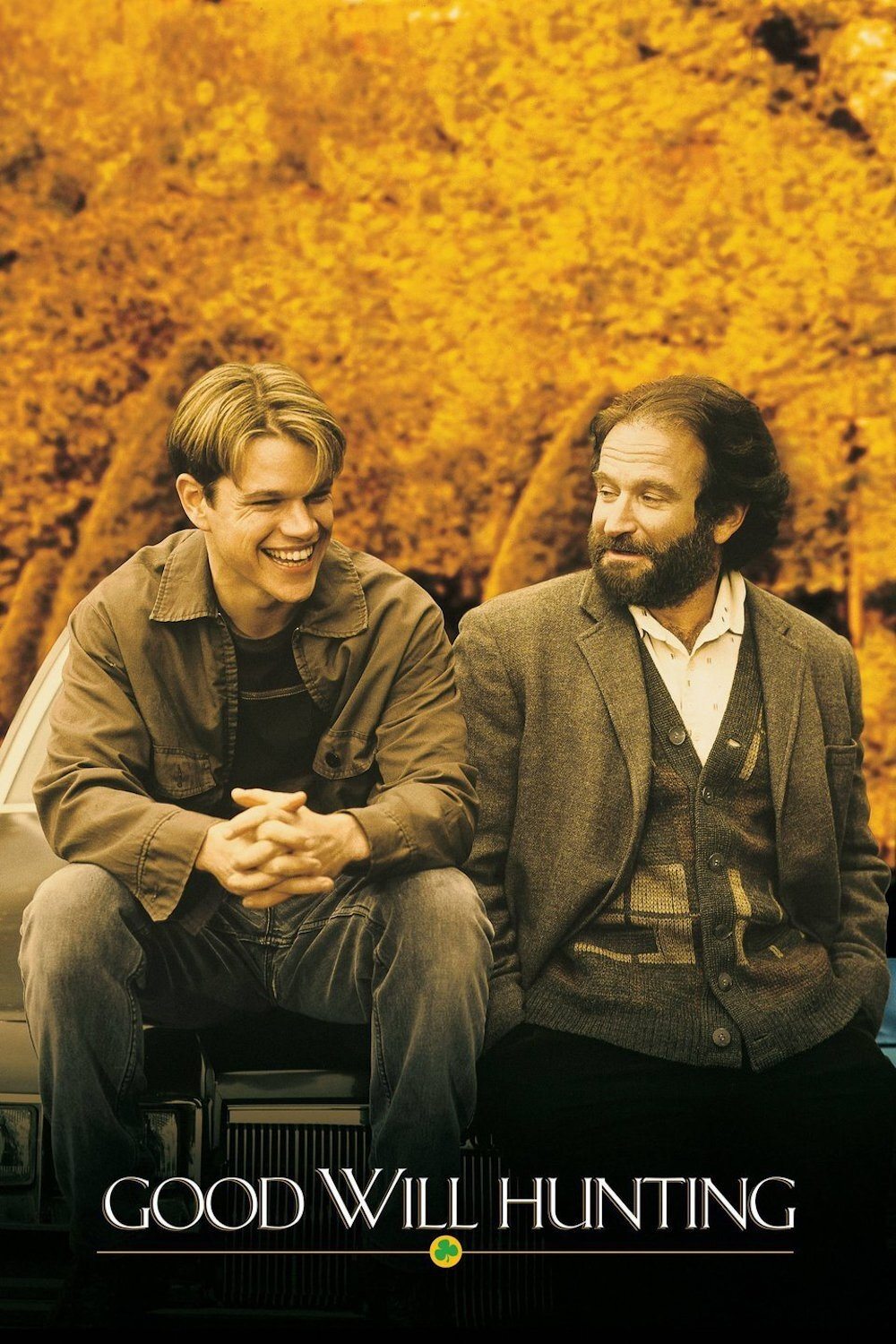
Certain scenes from “Good Will Hunting” linger with me as gentle bruises, resurfacing whenever I think about vulnerability and self-worth. Perhaps the most powerful moment, both for me and for so many viewers I’ve spoken with, remains that quiet, repeating insistence from Robin Williams’ character—“It’s not your fault”—as he lays a hand on Will’s shoulder. When I first encountered that scene, I almost resisted it, wary of melodrama. Yet, I was caught off guard by the visible trembling in both actors, the way pain crept into their voices. In that moment, I felt exposed; it was as if the film had crawled inside my own past, reaching the places where guilt or blame stubbornly persist. For first-time viewers today, I see that same mixture of discomfort and relief: it is impossible not to feel the scene’s emotional gravity, impossible not to wonder about our own unspoken griefs waiting for forgiveness.
But the film’s impact is hardly limited to its famous cathartic scene. I find myself repeatedly returning to quieter exchanges—the easy banter among Will’s friends, the brittle vulnerability when Skylar (Minnie Driver) gently pushes Will to break free from his self-imposed prison. Even on a first watch, it was striking to me how emotionally honest these interactions felt; nothing forced, nothing false. I recall the laughter between the group of friends—a raucous, sometimes cruel playfulness masking the depth of their loyalty. That dynamic, I think, remains universally recognizable. Whenever I revisit that dynamic, I see echoes of my own friendships—love wound up in joking insults, affection draped in sarcasm, and the silent support of people who may not always know how to show they care but would sacrifice anything for one another.
Another moment that endures: Will’s tearful confrontation at the park with Sean (Robin Williams), when stories of grief and disappointment spill out without judgment. The honesty in that scene, the patient, unhurried way that pain is unpacked, helped me understand the value of taking emotional risks. It wasn’t simply about trauma, but about silences, the quiet places in us longing for legitimacy. On my first viewing, these scenes didn’t just move me—they cracked me open, subtly encouraging me to lower my own guard. I think modern audiences find the same thing: an invitation to feel deeply, to believe that even in a cold world, empathy and second chances still matter.
It would be easy to talk about the film’s big moments—the romance, the conflicts between Will and his professors—but I believe the true emotional impact lies elsewhere: it’s in the scenes where struggle and hope sit side by side. The film doesn’t require a grand, transformative climax; rather, it offers a slow, patient unraveling of defenses, inviting us to consider what kind of growth is possible when someone finally refuses to give up on us. When I share “Good Will Hunting” with newcomers, I find those small, persistent acts of kindness—characters choosing patience over anger, understanding over judgment—are often what remain long after the credits roll.
How to Appreciate This Film Without Prior Knowledge
When I watched “Good Will Hunting” for the first time, I worried I might need specialist knowledge to understand its academic references or appreciate the nuances of therapy. It turns out, none of that mattered. What caught me by surprise was how universal the emotional core was—no one needs to solve advanced math or analyze literature to connect with the story. I felt utterly welcome as an outsider, and I think that’s part of what gives this film such rare, enduring warmth. There’s no code to crack, no canon to memorize, no cultural prerequisite—it’s almost as if the film expects nothing except a willingness to listen and, perhaps, to be moved.
I found that the best way to appreciate “Good Will Hunting” is to simply let go of any expectations of what a “classic” is supposed to look or feel like. When I relaxed, left my skepticism at the door, and watched with unguarded curiosity, the film began to work its quiet magic. For someone entirely new to these characters and their world, the reward comes in noticing the very ordinariness of their lives—how the story finds meaning not in the genius of Will’s mathematics but in the ordinary courage it takes to trust, to risk heartbreak, to be honest about longing. The film’s academic backdrop is, to me, just scenery; it’s the emotional journey that invites everyone in.
There’s also no need to worry about missing symbols, historical references, or clever in-jokes. Honestly, I never felt out of my depth, even as the story circled around topics I only dimly understood. The movie’s strength, as I experienced it, lies in human truths: loneliness, fear of failure, friendship, and the possibility of change. When I share the film with first-time viewers, I always reassure them that their reactions—whether laughter, tears, or just quiet reflection—are all equally valid. “Good Will Hunting” meets us wherever we are, whether we’re coming from lives of privilege, struggle, or somewhere in between. That’s how it has earned its place as a lasting, accessible classic, even for those encountering it with no roadmap.
Who This Film Is Best Suited For
- Viewers who resonate with stories of self-discovery and personal transformation
- Those drawn to films where dialogue and character relationships matter more than spectacle
- Anyone seeking reassurance that vulnerability and struggle are shared human experiences
A Beginner’s Final Recommendation
If “Good Will Hunting” seems daunting because of its status or its reputation, I encourage first-timers to reclaim the experience for themselves. On my first watch, before any awards or glowing essays colored my impressions, I found solace in the film’s humility. It does not insist you marvel at its cleverness, nor demand academic expertise to untangle its themes—it simply asks for openness. I watched expecting to be kept at a distance, and instead, I felt gently witnessed, as if the story was written for anyone who has ever doubted their own worth or longed for connection that felt both safe and honest.
What remains etched in my memory, and what I wish for every new viewer, is the reassurance that powerful cinema doesn’t always roar, sometimes it whispers. “Good Will Hunting” offers permission to falter, to feel fragile, to want more from life and from ourselves. That permission, delivered not with grandeur but patient empathy, makes every viewing—even my very first—feel like an act of trust between filmmaker and audience. I believe, especially now, as so many seek something real and unvarnished in their stories, that this film’s message of hope in the face of pain is still profoundly needed.
Sitting down with this movie for the first time is, for me, akin to confiding in an old friend who listens more than they speak. I often find myself recommending it to those who have ever felt overlooked, dismissed, or unsure of their place in the world, because I know what it felt like to see that struggle honored onscreen. My advice? Watch without shame, let your guard drop for two hours, and allow yourself to care for these flawed, beautiful characters. What you walk away with—whether laughter, tears, or quiet contemplation—will belong uniquely and truly to you. And in that gift, “Good Will Hunting” affirms its gentle, lasting power as a classic for every kind of first-time viewer.
To understand whether timeless appeal still resonates today, modern reassessments are worth exploring.
🎬 Check out today's best-selling movies on Amazon!
View Deals on Amazon