
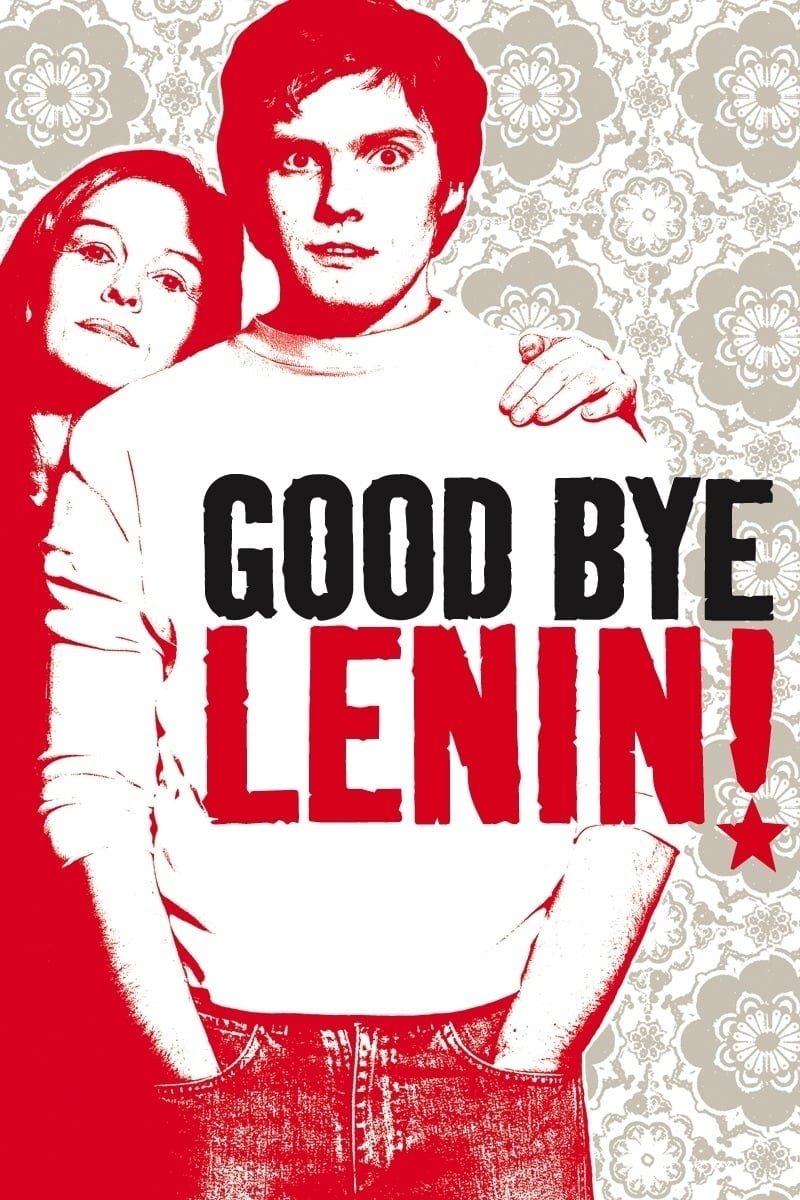
Why This Film Is Beginner-Friendly
I’ll be honest—when I was first dipping my toes into classic cinema, I gravitated toward movies that felt approachable, both in subject matter and tone. “Good Bye, Lenin!” struck me as the kind of film that invites new viewers in with warmth and just the right amount of nostalgia. I didn’t need a film degree or deep knowledge of German history to immediately relate to its emotional core. What made it accessible for me was how it balanced complex historical changes with universal human experiences. Family bonds, the desire to protect those we love, and coping with change—these are all familiar, no matter where or when you grew up.
I also loved that “Good Bye, Lenin!” doesn’t weigh you down with heavy-handed symbolism or abstract storytelling. Instead, it gently nudges you along with humor, clear relationships, and relatable dilemmas. Even if you’re not familiar with East Germany or the fall of the Berlin Wall, the story itself is emotionally driven and easy to follow. The director uses humor and tenderness in a way that helped me relax, rather than feel intimidated by the “classic film” label. It’s definitely subtitled, but I found that the dialogue feels natural and the acting is so expressive, I was never lost.
If you, like me, are looking for a heartfelt story that bridges the personal and the political, but doesn’t overwhelm with history lessons or experimental film techniques, this could be the perfect introduction. “Good Bye, Lenin!” never talks down to its audience, but it also doesn’t expect you to come in knowing anything more than what it means to care about someone. That, for me, is the ultimate in beginner-friendliness.
What to Know Before Watching
- The movie is deeply rooted in a specific time: East Berlin, just as the Berlin Wall is about to fall. If, like me, your history lessons didn’t dwell too long on the details of German reunification, just know that this was a moment of enormous change, socially and emotionally, for millions of people. The film references Soviet-era products, propaganda, and the everyday routines of a divided city, which may feel new if you’re mostly used to American or British settings.
- I noticed right away that the pace is different from many fast-cut modern dramas or comedies. The film takes its time building moments, letting scenes breathe, and allowing silence or small gestures to communicate meaning. I had to give myself permission not to expect instant gratification or major plot twists every few minutes. The reward is getting to know the characters on a much deeper level.
- If you’re used to films where heroes and villains are easily defined, you might be surprised at how gently “Good Bye, Lenin!” handles its characters. There isn’t a clear-cut “bad guy,” and the central conflict is emotional rather than action-packed. The solution to the story isn’t explosive—it’s quietly transformative, and I found that refreshing. Also, because it’s partly a comedy, humor is woven in even during tense or sad moments, which may surprise you if you associate classic films with seriousness or solemnity.
Key Things to Pay Attention To
When I watched “Good Bye, Lenin!”, I found myself repeatedly drawn to the subtle ways the film uses its setting and characters’ actions to tell a larger story. Rather than focusing on complicated plot mechanisms, I paid close attention to the relationships at the heart of the film. The mother-son dynamic, especially, provided an emotional anchor—I could almost feel the weight of the lengths Alex goes to for his mother. Watching the film, I reminded myself to notice not just what is said, but what is done—sometimes, a simple glance or gesture between characters carried the emotional punch of an entire speech.
Emotions run quietly through the surface here. I noticed that triumph, regret, hope, and nostalgia are balanced within the tone, never spelled out too dramatically. The film uses objects like old East German products or family mementos not just as set dressing, but as touchstones for the characters’ evolving feelings. I tried to pay extra attention to these details because they often hinted at what was changing beneath the surface.
The visuals themselves—muted colors to reflect memories of the past or brighter tones as the world outside changes—felt intentional, but not distracting. Even if you’re new to noticing cinematography, I’d suggest looking at how the environment transforms alongside the characters. I enjoyed seeing the city change, almost like another character growing and grappling with the new world. The mix of humor, nostalgia, and raw honesty meant I was never bored, but instead found myself rooting for the characters’ inner journeys. This is a film where every look, pause, and piece of background carries meaning, and for me, tuning into that made the experience much richer and more rewarding.
Common Misunderstandings for First-Time Viewers
- Assuming It’s Purely a Comedy – While the movie is genuinely funny and even playful at times, I misunderstood at first how deeply it’s layered with sadness and longing. It’s not a slapstick farce, and the humor often hides or softens the film’s most difficult moments. I realized that laughter in this movie is often a mask for pain or confusion, which gave the lighter scenes more complexity.
- Thinking It’s Only About History – I initially thought the main point was the political changes happening around the characters, but I quickly saw that the real story is personal. The larger political drama is important, yes, but what moved me most was the exploration of family, memory, and the way people try to shield each other from harsh realities. History shapes their choices, but it’s ultimately more about their everyday struggles and hopes.
- Expecting a Black-and-White Moral Message – When I first watched, I looked for a clear statement about what was right or wrong, or who the “good guys” and “bad guys” were. The film resists this. Instead of assigning blame or offering simple solutions, it presents each character with empathy—even when they make mistakes. I learned to watch with an open heart, noticing how each decision is driven by love, confusion, or fear, rather than strict ideology.
Is This a Good Starting Point for Classic Cinema?
Reflecting on my own journey into classic movies, I have to say that “Good Bye, Lenin!” stands out as one of my favorite first experiences. For me, it offered the right blend of emotional involvement and thoughtful storytelling, all without requiring a background in film studies or European history. I think it’s one of those rare films that gently introduces deeper themes—change, nostalgia, compromise—without feeling preachy or inaccessible.
If the idea of venturing into classic cinema seems intimidating, I’d encourage you to start here, just as I did. The characters are warm and real, the humor is genuine, and the emotional truths are easy to connect with on a human level. I never felt lost or left out—the film brings you along, trusting that you’ll see yourself in its small moments. It renewed my appreciation for movies that find big meaning in the details of everyday life.
Above all, “Good Bye, Lenin!” reassured me that classic films don’t have to be dry, confusing, or stuck in the past. They can be lively, relatable, and surprisingly contemporary in what they’re saying about hope, family, and the messiness of the world. If you’re curious about classic cinema but unsure where to begin, I can genuinely recommend starting your journey with this one. I found it to be a moving, funny, and eye-opening first step into the rich world of old-but-timeless storytelling—and I hope you will too.
If you’re wondering how this film compares to others that have stood the test of time, these may help.
🎬 Check out today's best-selling movies on Amazon!
View Deals on Amazon