The First-Time Viewing Experience
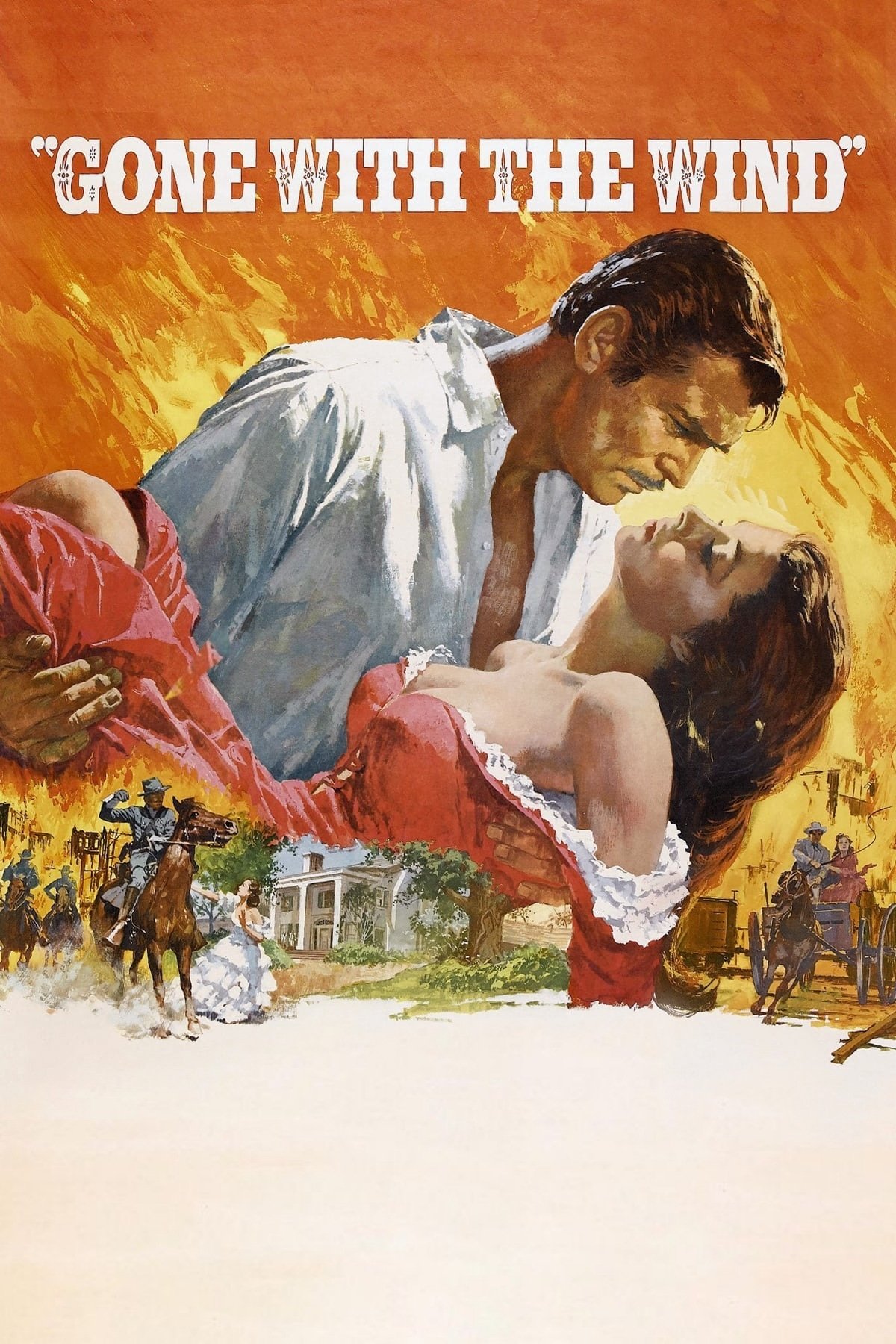
Sometimes, I think the act of settling in to watch “Gone with the Wind” for the first time is like opening a letter from a distant generation—there’s curiosity, maybe a little skepticism, but also that unexpected spark of wonder as the opening credits glow on the screen. Sitting there, I was immediately awash in Technicolor grandeur. It’s not just the famous music or the lavish images; it’s the strange feeling of time both collapsing and expanding. For me, my first encounter wasn’t simply a stroll down ‘Old Hollywood’ boulevard—it felt like being gently swept into a world that is simultaneously foreign and achingly familiar.
My emotions were a swirl of anticipation and cautious engagement—the film’s legendary status loomed before I even hit ‘play’. Would it live up to all the years of buildup? Would I, a newcomer, connect with a story almost everyone seems to know? And most of all, how could something so rooted in another era possibly connect to the person I am now? As the lush panorama of Tara unfolded on screen, and that iconic opening line unfurled, I remember a sense of awe, but also a strange sense of recognition, as if universal feelings of love, defiance, and resilience don’t change, even if the costumes and customs do.
There’s an odd intimacy to watching a classic of this enormity when you haven’t grown up with it. It’s almost as though I was eavesdropping on the world’s longest whisper—people had referenced the film in countless ways, yet here I was, finally discovering what made it touch so many for generations. My first impression was one of immersion. The film does not tiptoe into its world; it sweeps you along. The sheer length of the movie made me aware I was embarking on a kind of cinematic journey rather than a simple evening entertainment. I recall feeling dwarfed by its scale, by the opulent sets and costumed pageantry, and yet I was also struck by the raw humanity in the performances. No matter how grand the plantation columns or dramatic the burning of Atlanta, the story constantly pulls the focus back to the faces and the deep, unspoken emotions those faces bear.
As a first-time viewer today, I found myself navigating not only my personal feelings about the characters, but also negotiating with the film’s place in the world—its fraught cultural history and its beauty, its difficult legacy, and its moments of aching honesty. The consciousness of watching “Gone with the Wind” in the modern era colored my entire experience. I couldn’t separate the viewing from the weight of history, yet I found the emotional undercurrents impossible to ignore. It becomes a strange dialogue—I sat there with my 21st-century sensibility and let myself be surprised, challenged, and yes, sometimes even enchanted, by what unfurled.
Emotional Moments That Resonate
For me, the most unforgettable moments in “Gone with the Wind” aren’t always the ones people mention first. Yes, there is that jaw-dropping scene of Atlanta in flames—a spectacle that jolts anyone awake. But the moments that linger in my heart were quieter, more subversive. Watching Scarlett navigate her vast spectrum of emotions—from steely determination to raw vulnerability—I found a sort of mirror held up to the multitudes any one life can contain. I remember clinging to her desperation and her pride when she grabs a handful of earth and swears, “As God is my witness, I’ll never be hungry again.” Even now, repeating those words feels odd and empowering—I could feel the weight and resolve beneath her surface bravado.
I suppose what hits hardest are the moments of emotional stripping—when Rhett toys with his image as a scoundrel, but a flicker of longing passes over his face, or when Melanie’s gentle warmth quietly fills the screen. I was surprised by how invested I became in the small, wordless glances between characters, or the way Scarlett’s exterior bravado only seemed to emphasize her private aches. There’s a texture to these interactions that feels universal: the ache for love, the blur between ambition and selfishness, the stubborn ways people try to protect themselves from disappointment. I felt unexpectedly seen by Scarlett’s contradictions, which made the viewing feel all the more personal.
Yet there’s also the pain. Watching the film, I found moments of disquiet—scenes where nostalgia for the Old South is inextricable from depictions I now find deeply troubling. When the film attempts to romanticize or gloss over the untold lives living on the edge of this world, I was reminded that loving an old film means wrestling with its ghosts. But these uncomfortable confrontations made the raw innocence of scenes with Mammy, for instance, linger long after I turned the television off. Her presence—dignified, knowing, battered but stoic—holds an emotional space that’s impossible to overlook. Even when the film cannot fully acknowledge her inner life, I felt that Hattie McDaniel’s expressions tell entire untold stories.
Something else stood out to me: the climax of loss. The agony in Rhett’s final “Frankly, my dear, I don’t give a damn,” felt like a punch—the culmination of years of miscommunication, pride, and longing condensed into a few syllables. It’s one of those lines that history has made iconic, but for me, it’s the aching silence that follows, the unresolved yearning and the wide, empty spaces, that made my heart twist. I found these emotional moments—full of paradox, ambiguity, and layers upon layers of longing—to be uncommonly modern, even within their antique trappings.
How to Appreciate This Film Without Prior Knowledge
If there’s anything I wish I could tell a fellow newcomer, it’s this: you truly don’t need a cinema studies degree, or even a passing familiarity with Hollywood’s Golden Age, to appreciate what “Gone with the Wind” offers. I went in knowing only the barest pop-cultural snippets—fragments of a dress, a line or two, the vague outline of a burning city. Even stripped of context, nothing prepared me for the waves of pure feeling or how swiftly I was drawn into the emotional orbits of flawed, vivid characters.
My appreciation expanded precisely because I knew so little. I let go of the checklist mentality; I didn’t try to spot all the famous moments or anticipate every twist. I just let myself respond, frame by frame. The film rewards that kind of openness. There’s poignancy in letting the images and music do their work, in allowing yourself to be unsettled by what doesn’t make sense, and to be delighted by what unexpectedly moves you. In fact, the film is almost more powerful when you don’t know what’s around the corner—you get to experience every triumph, heartbreak, and moral ambiguity as if you’re living them alongside the characters.
I realized that wondering what’s ‘meant to be important’ can get in the way of actually connecting. Instead, I tuned in to the performances—Vivien Leigh’s fire, Clark Gable’s weary charisma, Olivia de Havilland’s gentle steel. Watching them, I forgot about period details and felt simply like a human watching other humans grapple with love and survival. Even the lush spectacle, which I’d feared would feel theatrical or distant, broke through that barrier, enhancing rather than drowning the emotion. So, I found you don’t need to “study” the film in advance—sometimes, it helps to arrive curious, even skeptical, and let the story unfold at its own unhurried pace.
There is, too, the reality that not every element of the film will sit comfortably with modern values. I learned it’s possible to recognize the artistry while feeling the sharp pang of historical discomfort. There’s a strange reassurance in knowing that first-time viewers everywhere grapple with this—a fellowship of modern hearts dropped into old, complicated shoes. My advice to anyone watching now? Let every reaction—whether awe, frustration, or admiration—spill forth. That’s authentic engagement, and it’s what classics like this thrive upon.
Who This Film Is Best Suited For
- Viewers drawn to emotional storytelling, who find themselves invested in characters whose choices are as contradictory as real life often is.
- Fans of sweeping cinematic spectacle—those who want to see visual storytelling at its most ambitious, and don’t mind letting a film take its time to weave atmosphere and tension.
- Curious newcomers open to wrestling with film history, who are willing to engage with both the beauty and the blemishes, and who value the ability of cinema to reflect the complexities of its making as much as its narrative.
A Beginner’s Final Recommendation
If I had the chance to sit down with anyone about to watch “Gone with the Wind” for the very first time, I would share my wholehearted encouragement. My experience made me realize that this film—despite the controversies and the formidable reputation—remains what it has always been at its core: a vessel of human drama, full of flawed yearning, clipped dreams, and undaunted hope. I believe the ideal viewing method is to surrender expectations and simply meet the film on its own terms, with equal parts caution and wonder. While you might find yourself at odds with some of its ideals or depictions, there’s something undeniably powerful in the act of watching history unfold through the lens of a story so epic, yet so intimately tied to personal aspiration and sorrow.
I left my first viewing with questions, with unresolved feelings, with images that haunted me for nights afterward—a sign, to me, that the film’s spirit had gotten under my skin. Even its imperfections became starting points for reflection; I was left richer for having engaged, even (or maybe especially) when I was unsure how to feel. So, for fellow beginners, my recommendation is: don’t measure your response against anyone else’s. Let the extravagance sweep you along, let the tender or difficult moments challenge you, and give yourself permission not to have all the answers. There’s genuine warmth and meaning to discover here—uniquely yours, waiting just behind the iconic curtain. Enjoy the journey, and trust that your first encounter will be special, precisely because it’s your own.
To understand whether timeless appeal still resonates today, modern reassessments are worth exploring.
🎬 Check out today's best-selling movies on Amazon!
View Deals on Amazon