
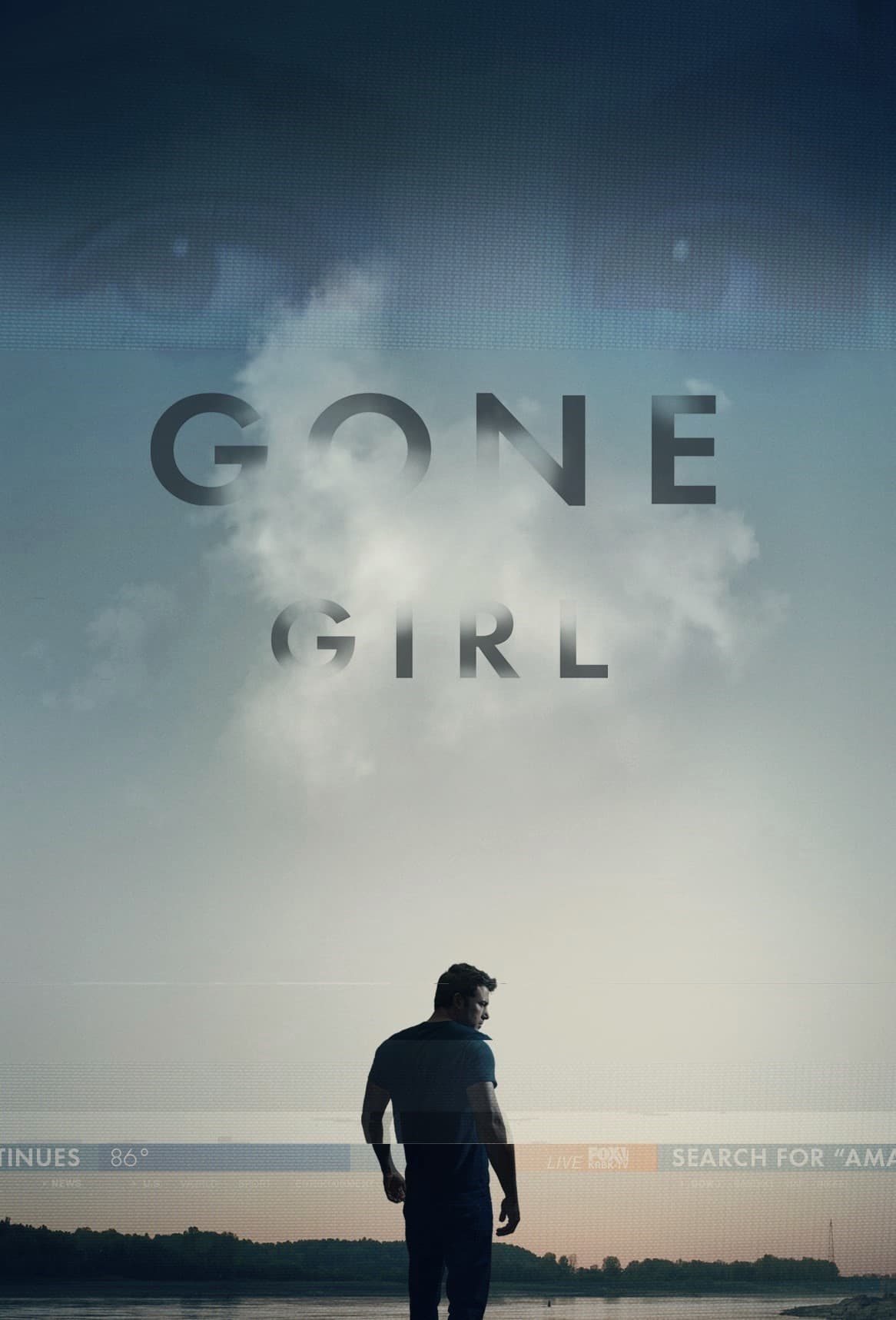
Why This Film Is Beginner-Friendly
When I first encountered “Gone Girl,” I was struck by how immediately inviting it felt for someone not yet steeped in classic cinema traditions. Despite being a movie released in 2014, it has already gained a reputation for its craftsmanship and impact—one reason I consider it a modern classic that gently folds new viewers into the world of celebrated films. There’s something about the way director David Fincher balances suspense, emotion, and dark humor that made me realize you don’t need an advanced film vocabulary or deep familiarity with older traditions to get hooked. The movie’s themes—trust, marriage, truth, and media manipulation—are instantly relatable no matter your background, and the storytelling is gripping in a way that doesn’t rely on complicated symbolism or an understanding of film history. I appreciated that I didn’t have to come in with prior knowledge; the story does most of the heavy lifting on its own.
I think what makes “Gone Girl” especially accessible is its modern setting and language, paired with timeless storytelling techniques. While some revered films require you to adjust to archaic dialogue or unfamiliar social customs, this one talks straight to the present. Dialogue feels natural, the pacing is sharp, and there’s an undercurrent of suspense that kept my curiosity simmering all the way through. I didn’t feel lost; instead, I was glued to every twist and revelation, eagerly trying to piece together the truth alongside the characters. This is the kind of movie I would recommend to friends who haven’t dipped their toes into anything considered a “classic” yet—it’s inviting, current, and gripping without being intimidating or out of reach.
What to Know Before Watching
- If you’re new to critically acclaimed films, you might notice that “Gone Girl” borrows stylistic touches from both noirs and psychological thrillers. While it doesn’t look vintage visually, its use of shadow, voiceover, and unreliable narration ties it to older classics you might not have seen before.
- One thing that caught me a little off guard was the pacing. The film has moments where it slows down to let tension build—sometimes stretching scenes to keep you guessing. This is different from many action-packed blockbusters, where things move at a breakneck speed all the time. The slower, more deliberate approach was initially unfamiliar, but it quickly grew on me for the way it heightens the suspense and invites you to speculate.
- As a first-time viewer, I wasn’t prepared for how the movie played with my expectations. “Gone Girl” loves to surprise its audience, but not just with clever plot twists—instead, it keeps shifting my sense of who to trust and how to interpret each character’s actions. If you’re someone who likes stories to be straightforward, be ready for a good dose of ambiguity. Also, be aware that the movie deals with mature, sometimes uncomfortable themes—deception, media frenzy, and the dark corners of marriage. While nothing here felt gratuitous to me, the intensity and complexity were more than what I usually encountered in casual thrillers.
Key Things to Pay Attention To
When I sunk into my seat for “Gone Girl,” I quickly realized that it’s the details—the subtle glances, shifts in body language, and pauses in conversation—that carry the story’s emotional weight. If you’re wondering where to focus as a new viewer, I strongly recommend keeping an eye on each character’s reactions, no matter how minor they seem. The performances, especially by Rosamund Pike and Ben Affleck, spoke volumes with micro-expressions and silences as much as with their spoken lines. I found myself reading between the lines, scanning for hidden motives and secrets lurking beneath ordinary conversations.
Something else that stood out to me was the use of atmosphere and visuals. Fincher is masterful at setting a mood—every room, every weathered street, seems to whisper clues about the characters’ inner lives. I tried to notice the way lighting, color, and even music shifted as the story unfolded. The score by Trent Reznor and Atticus Ross isn’t just background noise; it set my nerves on edge and guided my emotions, sometimes making me tense before I even knew why.
I also recommend listening closely to the narration and paying attention to when the perspective shifts. “Gone Girl” employs dual viewpoints, and I noticed how the film cleverly blurs the line between what’s real and what’s shown through the eyes of unreliable narrators. Instead of just passively watching, I tried to piece together my own version of the truth, knowing that each perspective was colored by its source. Focusing on these elements turned my first viewing into an interactive mystery, one where I was constantly re-evaluating my judgments with every new reveal.
Common Misunderstandings for First-Time Viewers
- Assuming the Main Characters Are Meant to Be Sympathetic – At first, I expected to root wholeheartedly for someone, as I often do in mysteries or thrillers. But over time I realized the film doesn’t give you a simple hero or villain. Both Nick and Amy are layered, flawed, and at times deeply unlikable. I had to remind myself that this ambiguity is intentional—the movie wants us to wrestle with our assumptions about marriage, honesty, and blame.
- Believing Every Twist Is a Simple “Gotcha” Moment – My first reaction was to treat every plot twist as a trick or a sleight-of-hand, but I soon saw that each twist is part of a larger exploration of how stories are told—to ourselves, to others, and to the media. Instead of feeling tricked, I started to appreciate how each revelation invited me to question my own snap judgments.
- Expecting a Neat, Satisfying Resolution – I went into “Gone Girl” thinking I’d walk away with everything neatly explained, all questions answered. It was surprising (and at first frustrating) to discover how many threads and dilemmas remain open-ended. The film lingers with you and doesn’t tie up every loose end. Eventually, I found this open-endedness meaningful—it mirrors the uncertainties and lingering doubts we can feel in real relationships.
Is This a Good Starting Point for Classic Cinema?
If someone asked me whether “Gone Girl” is a good introduction to classic films, I would say yes, without hesitation. Starting with a film like this helped me see that “classic” doesn’t have to mean old-fashioned or hard to relate to. It opened my eyes to how a movie could be both contemporary and timeless, how it could combine tightly woven suspense with an unflinching look at difficult topics, all while keeping me glued to the screen. I believe that for anyone hesitant about diving into cinema that’s been held up as “essential,” this is a no-pressure way to get started. You don’t need to know technical terms or film history; all you need is an eagerness to experience a story that’s as much about personal perception as it is about plot.
What makes “Gone Girl” so effective for newcomers, in my experience, is its directness. The film doesn’t insist that you “read between the lines” to an exhausting degree, but it does invite you to notice more with every scene. For me, it proved that movies can challenge us intellectually and emotionally, yet keep us enthralled all the way to the end. Watching it led me to seek out other acclaimed films, knowing I could take my time and grow my understanding gradually, without any need for pretension or expertise. That’s the gift of a modern classic—it starts where you are and draws you further into cinema’s boundless possibilities one step at a time.
If you’re wondering how this film compares to others that have stood the test of time, these may help.
🎬 Check out today's best-selling movies on Amazon!
View Deals on Amazon