
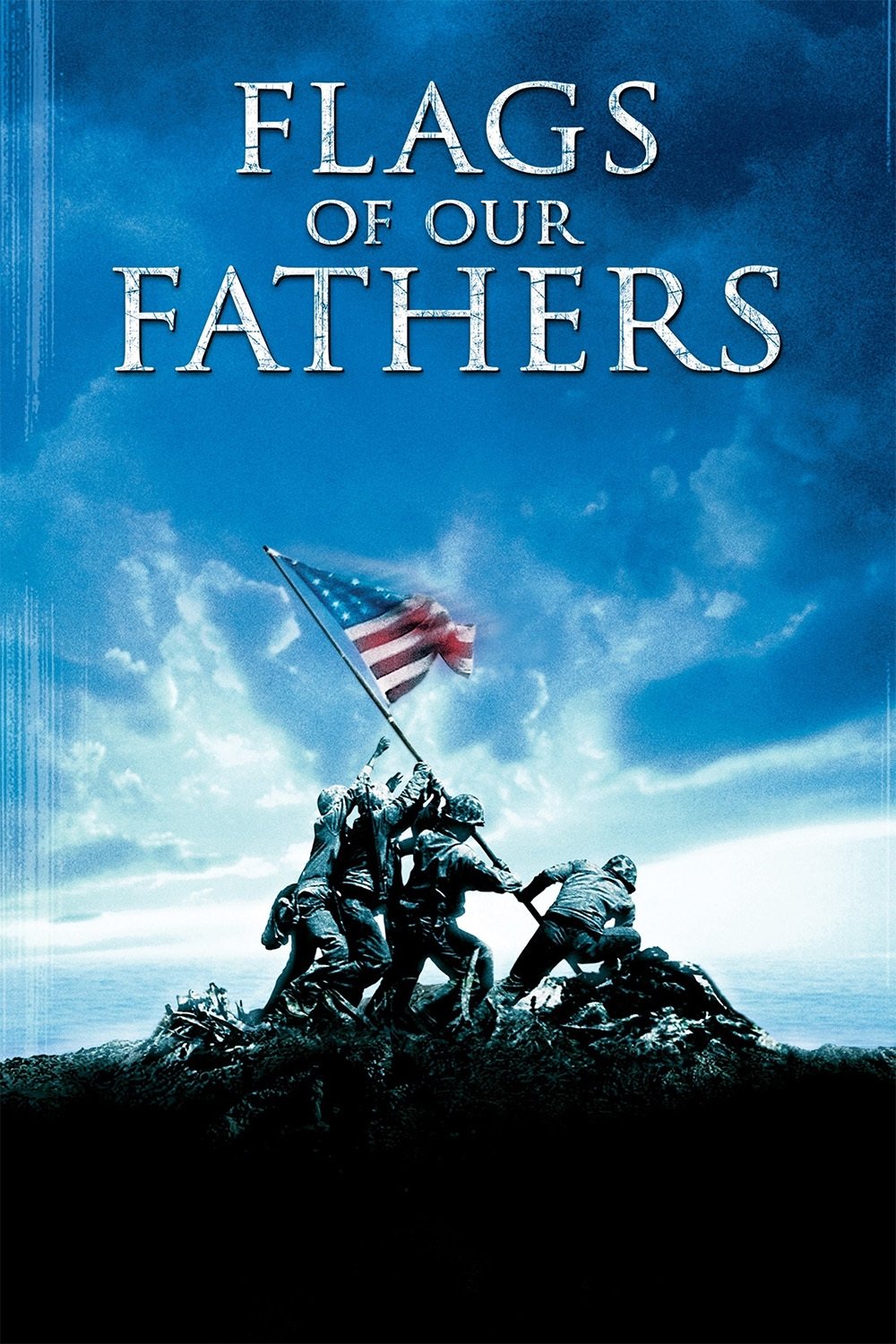
Why This Film Is Beginner-Friendly
The first time I watched “Flags of Our Fathers,” I was surprised by just how easy it was to get pulled into the story, even though I had always imagined classic war dramas might be distant or intimidating. What makes this film approachable for beginners, like me when I started exploring older films, is the way it puts human feelings front and center. It’s not just about battles and history—it’s about regular people thrown into extraordinary circumstances. I found myself caring about their doubts, their fears, and how they tried to make sense of what happened to them. The direction feels clear and unforced, avoiding old-fashioned acting or overly stylized dialogue that can sometimes make classics hard to relate to. The emotions on display—uncertainty, pride, guilt, and confusion—are just as real now as they were then, and I didn’t feel like I needed any extra background to understand where the characters were coming from. The look of the film and the way the story unfolds might have roots in classic cinema traditions, but it felt modern to me in a lot of ways, bridging the gap between past and present. I appreciated that it didn’t require a deep knowledge of history or filmmaking, just an open mind and a willingness to think about what people go through in the middle of forces much bigger than themselves. For anyone who’s still finding their footing with older movies, I think this is the kind of film that opens the door without making you feel lost or overwhelmed. I remember being glad I gave it a chance because it respected my curiosity and met me where I was.
What to Know Before Watching
- There are moments that move back and forth in time, toggling between the war’s front lines and the aftermath; if you’re new to this style, it can take a moment to settle in, but I quickly got the hang of it and even enjoyed the layered way the story came together.
- The movie doesn’t always move at a breakneck pace. Compared to some of the faster, action-packed blockbusters I was used to, the film sometimes lingers on quieter, more reflective moments. I found this slower rhythm gave me space to process what I watched and connect with the characters on a deeper level.
- The film’s portrayal of history might be more direct than some modern movies. I noticed a real emphasis on how events are remembered, both by individuals and by the country as a whole. I didn’t expect the focus on memory and myth, and it helped me see the story from multiple sides.
- Some scenes can be emotionally intense, particularly the depictions of combat and wounded soldiers. The realism caught me off guard at first, but ultimately I felt it made the stakes and emotions more relatable.
- If you’re not used to seeing the Second World War in older films or hearing about the iconic flag-raising scene, don’t worry—you don’t need to be an expert. Every time something historical came up that I didn’t recognize, I found the film explained enough for me to follow along without frustration.
Key Things to Pay Attention To
When I think back on what made “Flags of Our Fathers” really resonate with me, it’s not the mechanics of the battles or even the outcome, but the raw human experiences swirling beneath the surface. What helped me make the most of my viewing was tuning in to the ways the characters reacted to being thrust into the spotlight. I made a conscious effort to notice their body language—little things, like glances or hunched shoulders, often said more than dialogue could. It taught me how a classic film can use silence and subtle gestures just as powerfully as a big speech.
I paid close attention to the shifting emotions as the story moved between the chaos of Iwo Jima and the uncomfortable peace that followed. Watching the soldiers grapple with public perception back home felt familiar, even though I hadn’t lived through that era myself. It’s that push and pull between individual identity and national myth that stuck with me.
I also tried to observe how setting was used: the smoky, war-torn beaches had a starkness that occasionally took my breath away, and the quieter, postwar scenes felt weighted with everything unsaid. If you want to get the most out of a first viewing, I recommend noticing how music and camera choices change between battle and postwar moments. There’s often as much storytelling in the visual details as in any line of dialogue.
Finally, I allowed myself to get curious about the smaller, supporting characters. Their experiences, even if touched on briefly, added richness and complexity to what could have otherwise been a straightforward war story. It was in these moments I really understood how classic films invite us to look past the surface and see what’s truly at stake.
Common Misunderstandings for First-Time Viewers
- Thinking it’s just a battle movie – I realized quickly it wasn’t about glorifying war; it’s an intimate look at people caught between private trauma and public image.
- Assuming all the characters are based on stereotypes – At first, I thought I knew who each person was supposed to be, but their vulnerabilities and contradictions make them feel real. I had to let go of my own assumptions.
- Believing the film is difficult to follow if you don’t know the real events – Honestly, I went in not knowing much beyond the famous photo, but the film unfolds in a way that brings everyone along, regardless of background knowledge.
Is This a Good Starting Point for Classic Cinema?
When I was searching for an entryway into classic films, I wanted something that would feel both meaningful and manageable—something that would show me why these movies are still talked about, but not make me feel like an outsider. My experience with “Flags of Our Fathers” convinced me it’s a fantastic gateway for new viewers.
I never felt overwhelmed by old-fashioned filmmaking or highbrow references. What struck me most is how much the film cares about ordinary people and the stories they tell themselves. Watching it, I remembered that every classic once started out as “modern” and, in this case, that blend of approachable style and timeless themes made it especially welcoming.
I think beginners deserve films that trust their intelligence without demanding an academic background, and this one does exactly that. There’s no barrier of confusing symbolism or outdated slang; instead, I found curiosity mixed with emotion and a genuine sense of wonder for the lives that shaped history. Whether you’re watching on your own or sharing it with friends, it offers the kind of thoughtful, character-driven drama that still resonates.
If what you want is a film that helps you understand why moviegoers keep revisiting the classics—without requiring you to have seen a dozen similar titles first—this is a great pick. It draws you in gently, gives you the tools to follow along, and leaves you with questions worth pondering. That’s the kind of classic cinema experience I’d wish for anyone starting out. It welcomed me, and I’m confident it will welcome you, too.
If you’re wondering how this film compares to others that have stood the test of time, these may help.
🎬 Check out today's best-selling movies on Amazon!
View Deals on Amazon