
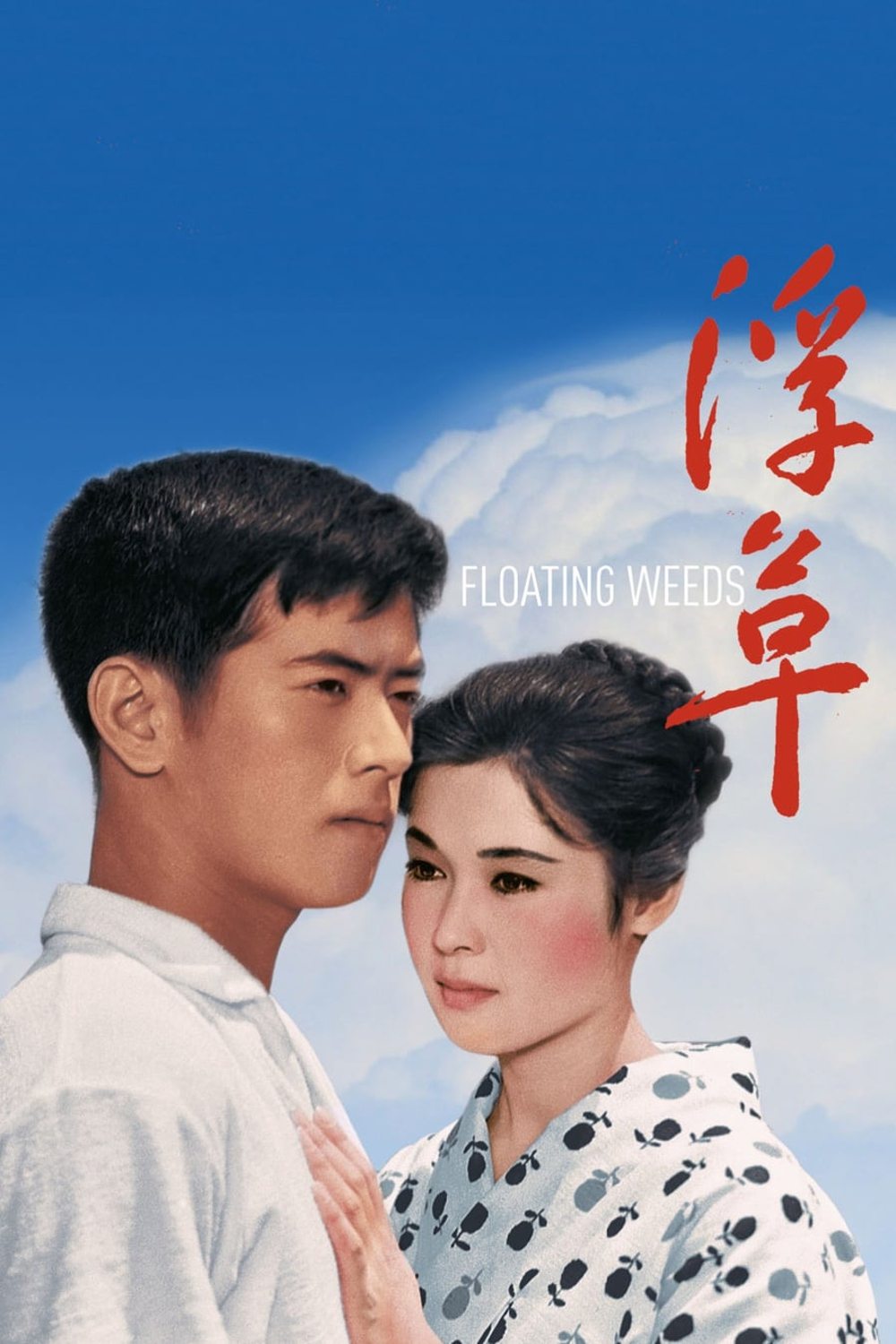
The First-Time Viewing Experience
When I first settled in to watch “Floating Weeds,” I didn’t expect to feel so quietly disoriented and then so utterly captivated. I remember immediately noting how patient the camera seemed, how each frame felt like lingering on the edge of a memory I hadn’t lived but somehow recognized. The opening minutes, with sunlight falling on dust and the steady arrival of a traveling theater troupe, felt like stepping into a gentle reverie. I found myself pausing, taking in the faces and setting, unsure of the pace but innately trusting it. Like opening a cherished photo album of strangers, the film’s images and silences invited me to find my place among these wandering characters. Even as someone unfamiliar with Japanese cinema of the 1950s, I felt the warmth of its domestic spaces and the rawness of its emotional undercurrents. I was surprised by the way even small gestures—an exchange of glances, the pouring of tea—held so much unspoken gravity. My senses gradually attuned to the unapologetic slowness, and I recognized that “Floating Weeds” asked not just for attention but for empathy. No dazzling spectacle or rapid plot twists here; the film offered a patient hand, guiding me gently into lives shaped by longing, regret, and fragile hope. There was a meditative quality to watching it, where each moment seemed to settle into the next without fanfare, and I was left to contemplate the spaces in between.
What truly struck me as a new viewer was how Ozu—whose name I’d heard but whose work was a mystery—crafted a sense of world-weariness and dignity that felt both ancient and startlingly contemporary. Instead of spelling things out, “Floating Weeds” gave me textures to feel and silences to interpret. I caught myself forgetting that decades separated the setting from my own reality. The colors—lush but never garish—drew me in, transforming ordinary interiors into places of quiet drama. Even the laid-back rhythm, which initially left me restless, soon became a source of comfort. The film didn’t demand my awe; it invited my participation. More than once, I found myself thinking, “So this is how you allow a story to breathe.” “Floating Weeds” wasn’t an experience of cinematic fireworks; it was, for me, a slow, gentle immersion, like entering cold water and discovering the temperature becomes just right if I simply give it time. That’s what I remember most about this first viewing: the gentle surprise of realizing that calm, deliberate storytelling can feel electrifyingly intimate, even today. I was left nourished, subdued, and strangely more aware of the poetry lurking in everyday details.
Emotional Moments That Resonate
Watching “Floating Weeds” for the first time, I was most touched by the film’s ability to communicate heartbreak without spectacle. One of the most poignant moments, in my memory, comes when Komajuro, the leader of the troupe, quietly confronts his own aging and the irreversibility of years lost. There’s a scene where he gazes at his son from a distance, the truth of their relationship hanging unsaid and, even without subtitles, I felt the ache between them. The son’s innocence, the father’s reluctance, and the mother’s silent pain—all coalesced in that moment of restraint. It reminded me just how universal the language of longing and regret can be. I found myself tearing up not because of a grand confession or heated argument, but because of a shared bowl of noodles, a wordless parting, the flash of grief in a downcast glance. The emotional potency arises from Ozu’s refusal to give simple answers. He lets the pain linger on screen, trusting viewers like me to sit with it.
Another scene that remains vivid in my experience comes when Sumiko, Komajuro’s current lover, is left spun out by a heated revelation. Her anger, despair, and heartbreak are tangible—yet expressed with remarkable control. I remember thinking how modern her performance felt, stripped of melodrama yet loaded with meaning. Her actions, while sometimes impulsive or cruel, always seem to come from a place of deep-rooted vulnerability. I saw myself in her confusion and jealousy, even as the narrative was set continents and decades away. These characters, caught in cycles of disappointment and hope, bring out emotions I sometimes struggle to articulate—resentment toward those I love the most, a yearning for second chances, frustration with fate’s indifference.
What stays with me most, though, is the quiet aftermaths. There’s no cathartic crescendo—instead, we get muted reconciliations or unresolved silences. The tenderness with which Ozu frames an act as simple as sharing rain shelter, or the peacemaking power of a simple gesture, made me consider how seldom films trust such understated moments today. The rawness of pride and humility between generations, lovers, and peers pressed gently but insistently against my own expectations of cinematic closure. I have rarely seen a film that respects the dignity of heartache with such patience. For all its surface tranquility, “Floating Weeds” made me feel emotionally wrung out, as if I’d lived alongside these flawed, stubborn, loving people for years rather than a few hours. It’s the kind of resonance that lingers long after the credits, shaping how I see daily life’s dramas and reconciliations in my own world.
How to Appreciate This Film Without Prior Knowledge
I remember being daunted before pressing play, worried that not knowing anything about Ozu, mid-century Japanese history, or the particular world of kabuki troupes might leave me unmoored. What I discovered is that “Floating Weeds” makes no demands for scholarly expertise or familiarity with cultural contexts. The film trusts anyone—anywhere—to understand care, longing, disappointment, and fragile connection. You don’t have to recognize actor faces or genre conventions; you just have to let the film’s gentle rhythms wash over you. In fact, not knowing what’s coming next made the tender surprises—silent betrayals, fleeting reunions, simple acts of kindness—feel wholly unvarnished. It put me, in a way, in the same position as the characters themselves: uncertain, vulnerable, open to being surprised by new emotional discoveries.
For me, the key was relinquishing any urge for fast answers or overt drama. “Floating Weeds” rewards patience, observation, and a willingness to let your guard down. Early on, I noticed myself expecting narrative fireworks, but as I allowed myself to move at the film’s pace, small gestures took on profound meaning. The arrangement of sandals by a doorway, the way laughter is shared among women, or the stillness inside a cramped inn—all became windows into a shared humanity. I never once felt mocked for not “getting” a reference. The universal themes—family strife, the ache of being misunderstood, decisions that echo for years—needed no translation. Ozu’s storytelling is honest and spare, inviting me not to decode a puzzle, but to bear gentle witness. Even without any preparation, I found myself immersed, emotionally activated, and grateful for the film’s refusal to rush or pander.
My own advice to a new viewer? Don’t research, don’t stress, and don’t worry about missing coded meanings. Let yourself be carried by the film’s colors, its spatial choreography, and the way silence fills a room. If you’re attuned to the details of daily life—the quirks of relationships, the weight of unsaid apologies, the way a summer rainstorm can shift everything—then you’re prepared enough. The magic, I found, is in what’s left unsaid and unseen. “Floating Weeds” is no test of cultural literacy, just an opportunity for profound, private reflection.
Who This Film Is Best Suited For
- Those who find beauty in the everyday, and who appreciate the poetry of ordinary moments rather than grand spectacle.
- Viewers interested in quiet, character-driven stories that reward attentive watching and emotional patience.
- Anyone longing for a film experience that feels contemplative, deeply humane, and quietly transformative—regardless of their previous exposure to world cinema.
A Beginner’s Final Recommendation
If anyone had told me that such a gentle, deliberately paced film could sweep me up and leave me thinking about its people and their choices weeks later, I would have doubted it. Yet that’s exactly what “Floating Weeds” did for me. From my perspective, it’s a rare cinematic experience that rewards vulnerability—the willingness to sit, watch, and simply listen with the heart. I found myself changed not because the story shocked me, but because it made me care about the silent wounds and tentative hopes of strangers on a distant shore. Watching Ozu’s characters navigate love, disappointment, and the shifting sands of time, I realized that the pain and beauty of family, forgiveness, and fleeting happiness are constants no matter where or when you live.
I urge any newcomer, like I once was, to trust their instincts and let the film’s visual language and emotional rhythms do their work. There’s nothing you need to “know” ahead of time—just a willingness to enter gently, observe, and be moved by what you find. The delights are subtle but real: the way color transforms emotion, the trust Ozu places in the viewer, and the hush of recognition when you see a reflection of your own experiences on screen. If you’ve ever watched sunlight spill on a kitchen table and felt a pang of old memory, or argued with someone you love and later wished you’d said less, then “Floating Weeds” is a film written for you, whether you realize it beforehand or not.
I found a kind of solace in how honestly the film attends to the unfinished business of the heart. However awkward, however gentle, it reminds me that grace lives in second chances and imperfect reconciliations. My lasting advice is to let yourself be surprised—not just by the film, but by how open to beauty you can remain, even when it arrives wrapped in quietness. I believe “Floating Weeds” will leave a subtle but indelible mark, making you see the world outside your window with more tenderness and curiosity. If I’d known how much the film would give me—memories not my own, but woven into my inner life—I’d have watched even sooner. There’s no better testament, for a first-time viewer, to the power of classic cinema’s most unassuming masterpieces.
To understand whether timeless appeal still resonates today, modern reassessments are worth exploring.
🎬 Check out today's best-selling movies on Amazon!
View Deals on Amazon