
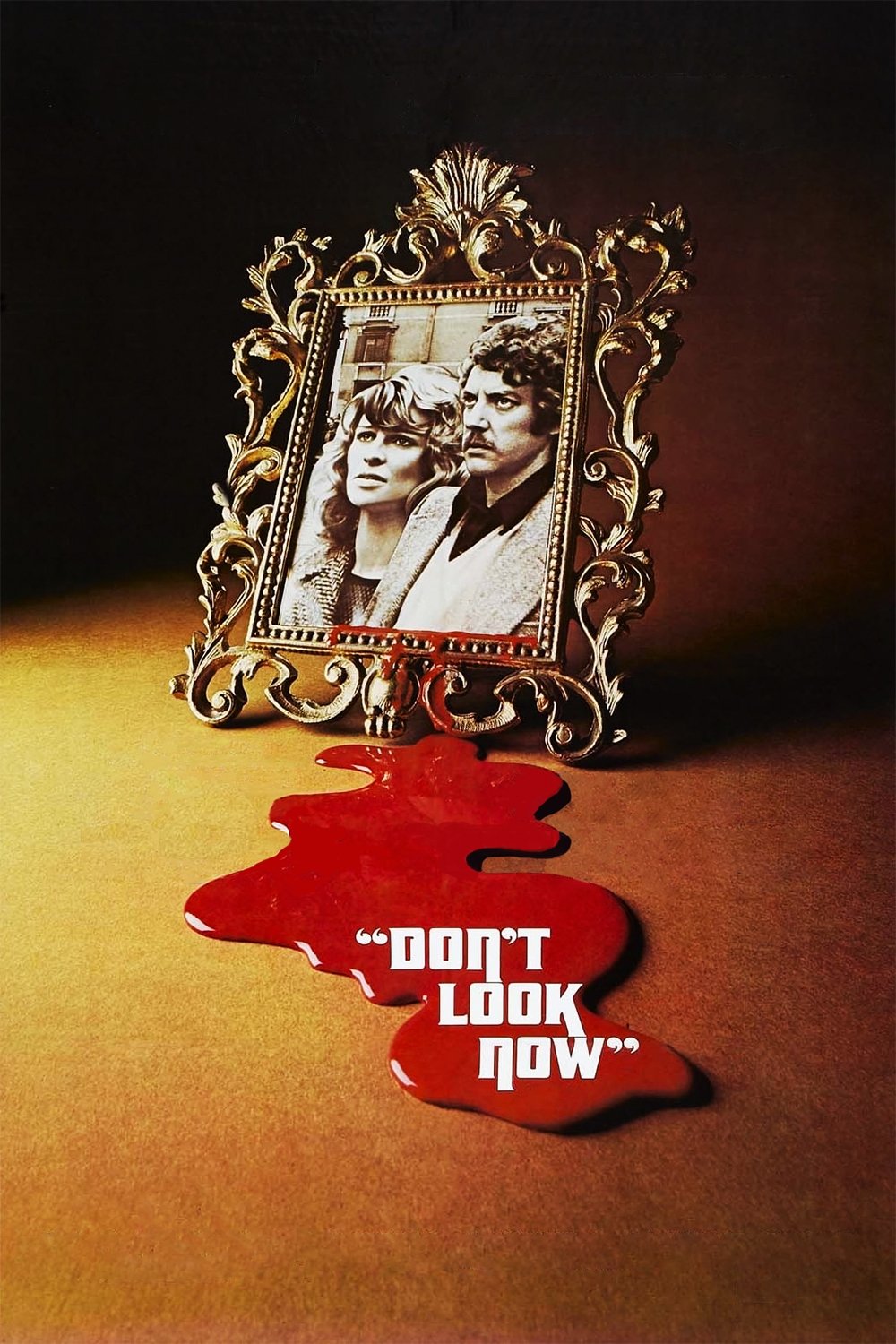
Why This Film Is Beginner-Friendly
The first time I watched “Don’t Look Now,” I felt oddly reassured by how inviting it was as a gateway into classic cinema. Unlike some older films that can feel stiff or overly theatrical, this one immediately drew me in with its haunting atmosphere and raw, very human emotion. I never got the sense that it was holding me at arm’s length because of its release date. Instead, the world of the film felt alive—the Venice setting almost like a character, and the grief at its core vivid and relatable. I find it beginner-friendly because it connects through universal feelings rather than old-fashioned language or convoluted symbolism. Even if you’ve never seen a film from before the ‘80s, the way “Don’t Look Now” handles loss, love, and mystery makes it easy to care about what’s happening almost right away.
I also appreciate that, unlike some classic films that ask you to have a certain patience or pre-existing knowledge, “Don’t Look Now” doesn’t require any homework beforehand. I remember being surprised at how modern it felt in parts: the camera work and soundtrack have a dreamlike quality that’s more about making you feel something than understanding every last detail or reference. This film brought me in gently, encouraging me to notice feelings and fragments rather than overwhelming me with information or style.
What to Know Before Watching
- The editing style is very unusual compared to movies made today. Scenes flow with a kind of poetic rhythm rather than straightforward cause-and-effect. When I first watched, it took me a few minutes to realize that I needed to let go of expecting everything to make sense right away.
- The pace might feel slow if you’re used to the snappiness and nonstop action of recent thrillers. “Don’t Look Now” unfolds with a sort of melancholy patience. You’ll get moments of quiet and ambiguity rather than constant answers or explanations.
- The story shifts back and forth between the present and memory, as well as reality and suggestion. The film asks you to pay attention to images and small details. That can be surprising, but in the end, I found it made the payoff that much more satisfying when I pieced things together myself.
- Visually, this film was groundbreaking in the early ‘70s because of how it used color—especially the color red. While that might go unnoticed in today’s cinema, I found it added an extra layer of intrigue here.
- The central relationship (between the two leads, played by Donald Sutherland and Julie Christie) is refreshingly intimate and vulnerable. There’s an honesty to their performances that might surprise you if you expect older films to be emotionally reserved.
- There’s one scene—still mentioned in film circles for its realism and tenderness—that truly shocked me in how unapologetically honest it is about adult relationships. If you’re new to classic cinema, just know that not all films from before 1980 were prudish or tame! This one feels decades ahead of its time in how it treats intimacy.
- The ending may leave you with questions. When I watched it, I realized that not every classic film wraps things up with neat bows. This ambiguity is part of what makes “Don’t Look Now” linger in your thoughts long after the credits roll.
Key Things to Pay Attention To
Each time I revisit “Don’t Look Now,” I find myself sinking into its atmosphere rather than tracking the plot point by point. My suggestion for first-timers is to let yourself feel the emotional undercurrents—the persistent sense of loss, longing, and unease. The two main characters, John and Laura, carry so much of their grief in small gestures and glances. I encourage you to notice what they don’t say outright: the way they look at each other across a Venetian square, the quiet panic beneath their conversations, the subtle changes in how their relationship shifts from hope to despair and back again.
The setting itself is worth your attention. I remember the way Venice seems both beautiful and sinister—the empty canals echoing the couple’s loneliness. The city isn’t just a backdrop; it feeds the film’s mood at every turn, with its labyrinthine streets and bridges designed to make you feel disoriented. It’s fascinating to see how the director, Nicolas Roeg, uses mirrors, water, and reflections to create a sense of mystery and foreboding. I find myself scanning each scene for visual clues and returning symbols (especially the recurring flash of red), rather than expecting a traditional thriller with easy answers.
Another thing I recommend paying close attention to is the film’s editing. There are moments where past and present blur together in a way that’s deliberately confusing, echoing how grief can bend time and memory. I was initially frustrated by how certain scenes jump or overlap, but then I realized the film was inviting me to experience confusion and pain right alongside the characters, not just observe them from a safe distance. Allowing that feeling of unease—rather than fighting it—helped me engage with the film on a deeper emotional level, rather than just following a plot.
Lastly, I’d say trust your reactions. If you catch yourself feeling uneasy or moved by a certain image, a recurring motif, or a peculiar interaction, that’s the film doing exactly what it intends. I’ve found that “Don’t Look Now” rewards viewers who allow themselves to drift with it, instead of searching for airtight explanations.
Common Misunderstandings for First-Time Viewers
- Misunderstanding 1 – “It’s just a straightforward ghost story.”
Clarification: The first time I watched, I half-expected a typical supernatural plot with easy scares. Pretty quickly, I realized the film is much more about psychological fear and personal grief than literal ghosts. The eerie moments and suggestions of the supernatural are mostly about the characters’ state of mind. If you’re waiting for jump scares or traditional hauntings, you might miss the real chills that come from the emotional core. - Misunderstanding 2 – “Old movies aren’t emotional.”
Clarification: I’ve heard friends say they worry older films will feel wooden or emotionally distant. What amazed me in “Don’t Look Now” is how honest and moving the central couple’s relationship feels. Their pain isn’t hidden or glossed over, and their moments of tenderness are as resonant (if not more so) as anything I’ve seen in movies today. Let yourself be surprised by how direct and raw the emotions are here. - Misunderstanding 3 – “The ending came out of nowhere and makes no sense.”
Clarification: I was caught off guard by the ending on my first viewing, and I’ve since learned that’s a common response. But after letting the film sit with me, I understood that the conclusion is meant to be unsettling and ambiguous—it connects back to earlier images and warnings. It might feel random if you’re expecting a tidy resolution, but I found that thinking back on the film’s recurring images and themes tied everything together in a haunting, memorable way.
Is This a Good Starting Point for Classic Cinema?
I wish someone had recommended “Don’t Look Now” to me when I was starting to explore older movies. It’s not intimidating or overly formal, and it never felt like homework. Instead, watching it opened my eyes to how classic films can be inventive and emotionally daring, just as much (if not more) than new releases. If you’re new to classic cinema and a little apprehensive about black-and-white visuals, stagy acting, or slow stories, this film feels immediate and alive—almost as if it’s reaching across the decades to draw you in.
It made me realize classic movies aren’t locked away in another era out of reach. There’s something very universal about what this film expresses: the ache of loss, the fragile ways we try to reconnect, and the secret fears that follow us. I found myself thinking about it for days, picking apart images and meanings, but never feeling discouraged or confused to the point of frustration. Instead, it piqued my curiosity about what other surprises classic cinema might hold.
If you’re open to something a little strange, beautifully acted, and packed with unforgettable atmosphere, I can’t think of a better film to start your journey. “Don’t Look Now” is approachable, affecting, and stands as proof that classic films still have the power to move and surprise first-time viewers. You don’t need to know anything beforehand—just bring your attention, your emotions, and a willingness to let the film take you somewhere unexpected. For me, it’s a thrilling way to discover what makes older movies so enduring and rewarding.
If you’re wondering how this film compares to others that have stood the test of time, these may help.
🎬 Check out today's best-selling movies on Amazon!
View Deals on Amazon