
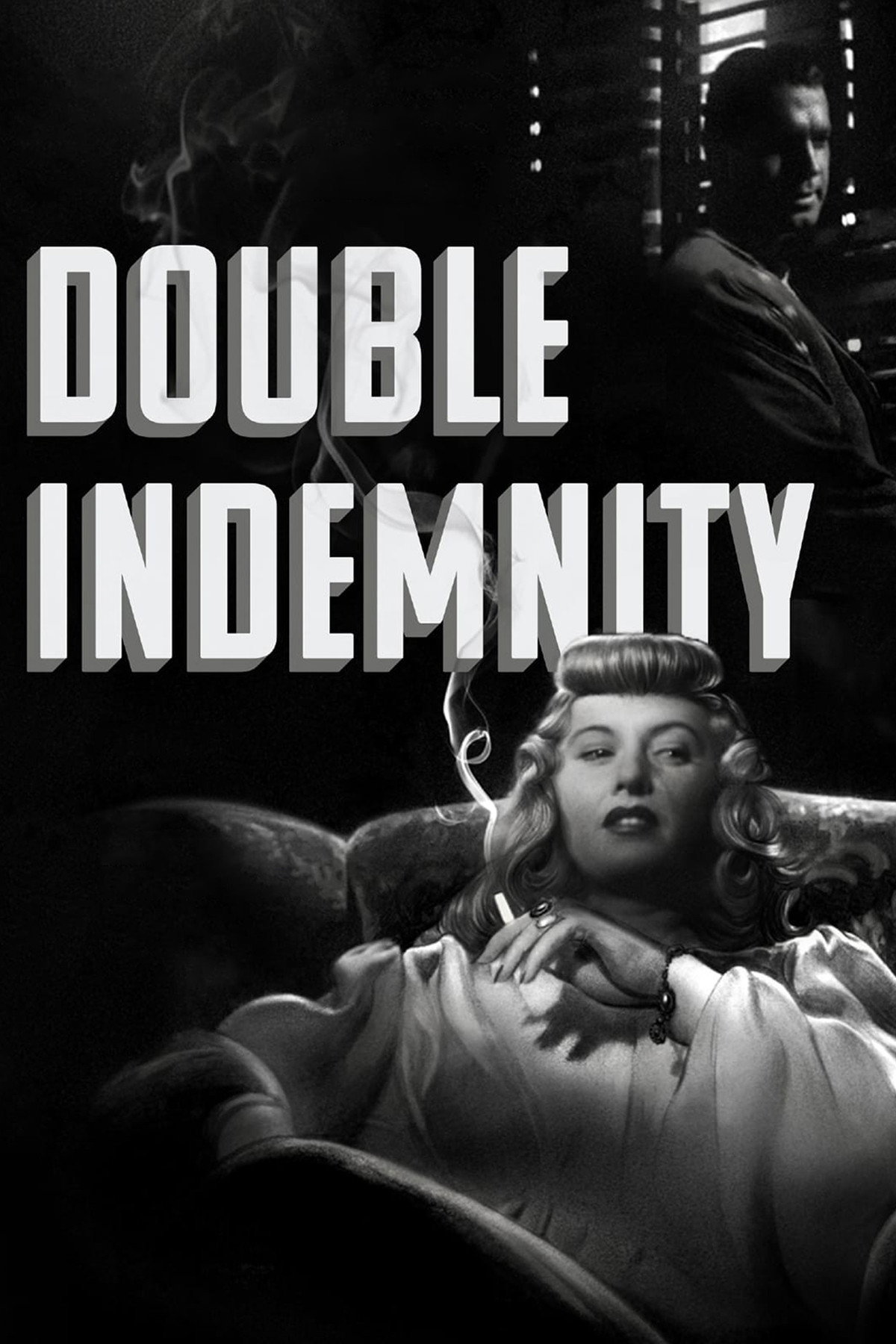
The First-Time Viewing Experience
When I first sat down and let Double Indemnity unfurl across the screen, I felt the atmosphere creeping in faster than I ever expected. The shadows weren’t just a technical choice—they seemed to echo the inner shadows of every character, mirroring the tension I felt as a new viewer. I remember feeling like I’d been dropped into someone else’s paranoid, dangerous Los Angeles, suddenly aware of every glance, every risk, every secret transaction. For someone watching this film in today’s world, where television and movies often spell out motives and mistakes, the understated yet smoldering dread felt utterly fresh. I was surprised by how quickly I became invested in the story’s charged silences. Every corner felt dangerous, every word tinged with an unspoken threat. This wasn’t old Hollywood holding me at a distance—it was a conspiracy and I, too, had signed the policy with invisible ink.
There’s a certain texture to the film that startled me—not simply its visuals, but the language and pacing. Back in 1944, audiences must have been equally electrified by the way Walter Neff’s narration flows, as slippery as oil and just as flammable. Having only heard about the “noir” genre from afar, I didn’t expect to be so swept up by the mood. I found myself constantly re-reading the expressions on Fred MacMurray’s face, watching for a flicker of doubt or guilt, because so much is left in suggestion rather than exposition. The first time I saw this, I realized how little trickery modern thrillers need, and how disarming it can be to witness evil quietly negotiated over a glass of iced tea in a bright room. The immediate feeling for new viewers? An unnerving recognition that ordinary spaces and polite conversations can hide the gravest danger.
I sometimes think that watching Double Indemnity now is like plunging into a pool with the lights suddenly turned off. Dialogue darts between the characters, and the patter whips by—sometimes I miss a line and decide not to rewind. There’s trust that the unease will catch me up. By the time the moral gravity of the story started weighing on me, I was invested, carried along by the cascading dread that nothing could be set right, only delayed. I felt personally implicated, as if I had become a confidant in Neff’s choices. I can remember how my heart thudded whenever Barbara Stanwyck’s Phyllis entered a scene—each appearance a reminder that some people are capable of shifting the entire temperature of a room with a single arch of the eyebrow.
On the first watch, suspense is not something that drags you forward from plot point to plot point. Instead, suspense coils slowly, making every domestic scene dangerous, every spare glance meaningful. I got caught staring at the Venetian blinds myself, mesmerized by the patterns of light and darkness, sensing the thematic tug-of-war between guilt and desire at every turn. I didn’t anticipate how I’d find myself rooting for and against the main characters in the same breath. In the end, the first experience with Double Indemnity is a mix of fascination, discomfort, and reluctant admiration for the way the film refuses easy answers or simple heroes. It feels like being shown a mirror and not quite recognizing the reflection, and I felt changed for having watched it.
Emotional Moments That Resonate
One thing I felt, more than I ever expected, was the gnawing tension in the moments where nothing seems to move but everything is at stake. There’s the first time Walter Neff and Phyllis Dietrichson truly see each other—not just as flirtatious strangers, but as two people who recognize the abyss within the other. I remember a palpable ache, a trembling realization that what they were planning could not end well, and yet their chemistry propels them toward destruction. When I watch those scenes, I never feel like I am simply observing; I feel as though I am part of the pact, torn by its allure and its certainty to unravel. That moment in Phyllis’s living room, with faint sunlight smeared through the blinds, still lingers with me. The air is thick with secrets, danger, and a strange intimacy that goes far beyond the script.
Double Indemnity’s more emotionally devastating moments, at least for me, are not the fireworks of physical violence but the slow revelation of how cruelty can emerge almost gently. When Keyes—Neff’s boss and his only real friend—lays bare his suspicions, I felt an ache not simply because of the threat of being caught, but because trust was hanging by a thread. The scenes where Keyes expresses genuine affection for Walter feel so achingly real, colored by paternal warmth and professional admiration, that the growing betrayal nearly broke me. The real heartbreak, at least on my first watch, was the dawning awareness that the film’s truest tragedy wasn’t the crime, but the loss of connection between people who desperately needed each other’s honesty.
There’s one moment that burned into my mind, even after the credits rolled—the final confrontation between Walter and Phyllis. When he admits that he never loved her, that it was always about something desperate and wrong, I felt the bottom fall out. Her tears, his resignation—all the bravado melts away, and what’s left is just human frailty. I couldn’t help but grieve, not for the lost scheme, but for the way desire is twisted, how hope is repurposed as a weapon, and how two people can destroy themselves in an attempt to escape their empty lives. The undercurrent of longing and disappointment, so vividly brought to life by Stanwyck and MacMurray, reminds me of how love and ruin are sometimes the same current, pulling us under together.
Some films try to jar you with plot twists, but I think Double Indemnity endures because its emotional devastation plays out in the quiet aftermath. That last scene in the office—when Keyes sits beside Walter on the floor—struck me as almost unbearably tender. There was no melodrama; just exhaustion, regret, and, underneath it all, unresolved kindness. Even after multiple viewings, I still sense a lump in my throat at Keyes’ final words. For first-timers today, these moments wouldn’t feel dated or distant at all. Instead, they feel, somehow, that little bit too close for comfort: a testament to how even our worst mistakes are still shaped by craving closeness and being truly seen.
How to Appreciate This Film Without Prior Knowledge
If I could offer reassurance to anyone worried about not knowing enough film history or noir tropes before pressing play, my own experience would be the best evidence that it hardly matters. I came to Double Indemnity with only the barest whisper of what “film noir” might be. No lectures, no jargon, no deep dives into classic cinema served as preparation, just an open mind and a willingness to let myself get lost in an unfamiliar era. The sheer vitality of the dialogue and the almost sensual dread that builds from scene to scene swept me up almost instantly. I found the film intuitively accessible, never once feeling like I’d missed out because I didn’t understand some hidden reference or cinematic technique. The filmmakers seem to want you right there in the trenches with Neff, Phyllis, and Keyes, unprepared and wide-eyed.
I didn’t spot every bit of symbolism or catch every nuance on that first viewing, but that only added to my enjoyment. I could simply relax, letting the strange cadence of 1940s slang and the crooked shadows wrap around me. There’s no test to pass before the story welcomes you in. If anything, watching with fresh eyes revealed how little has changed about our appetite for dangerous liaisons and impossible decisions. The tension, the desires, the panic—they all make sense on a gut level, whether or not you’ve spent years studying old movies. Sometimes, I even think it helped not knowing who the “stars” were or what to expect. The raw surprise—the feelings that crept up on me, the characters who turned on a dime—felt entirely my own. The film has a way of whispering secrets directly to the audience, bypassing any need for expertise or academic context.
I found myself marveling at the technical bravura only after the story had already snared me. Yes, the cinematography is famous for its artistry, but on that first watch, I was just responding viscerally to the claustrophobic framing and the way light falls across desperate faces. I didn’t need coursework, only curiosity. The plot—while intricate—unfolds naturally, and the emotional stakes are so cleverly woven into the small gestures and betrayals that I never needed a guidebook. I realized, as I watched the world close in on Neff, that empathy is the only key to appreciating Double Indemnity. My confusion was precisely what the film needed—my bewilderment echoing the characters. You don’t have to parse every double meaning to feel the chill in your stomach or the bitter irony of their fate. The story’s sharp edges pierce through any barrier of time. I still believe the best way to experience the film is by simply letting it wash over you, suspending disbelief and letting your senses do the rest.
Who This Film Is Best Suited For
- Anyone who craves stories of moral ambiguity and forbidden longing, and finds themselves fascinated by what ordinary people are capable of under pressure
- Viewers who appreciate films that invite deep emotional engagement, lingering ambiguity, and more questions than answers
- Curious newcomers to classic cinema who want a story that feels gripping, accessible, and unexpectedly contemporary in its exploration of temptation and consequence
A Beginner’s Final Recommendation
My own leap into Double Indemnity was blind, bold, and ultimately transformative. If you are about to press play for the first time, I’d encourage you to forget everything you think you know about black-and-white movies or “old-fashioned” narratives. The film didn’t just meet my expectations—it scrambled them and offered something considerably more restless, more inviting, and more complex than any summary or review could imply. Let the movie surprise you, and trust that confusion, discomfort, and delight are all part of the first viewing. The beauty of starting with no map is that each emotional revelation, each act of betrayal or self-preservation, feels unique to you—almost as if the film has been waiting patiently for you all along.
I wish new viewers the same mingling of dread and wonder I felt—those delicious moments when the built-in certainties of good versus evil start to flicker and fade. Allow yourself time to luxuriate in the shadows, to sit with the moral puzzles, to notice how the most honest confessions are spoken in silences. You don’t need expert commentary to recognize the thrill of crossing a line you can’t uncross, or to feel that heart-stopping ache when loyalty confronts love. Every twist, every glance exchanged beneath those iconic Venetian blinds, holds a new flavor on that first encounter. Trust that your emotions, your questions, and even your discomfort are precisely what make this film so enduring and so rewarding for first-timers.
Navigating Double Indemnity for the first time is a journey into suspense, regret, and the strange intimacy of betrayal. I can say, with certainty born of my own experience, that you will come away understanding not only the film’s world, but something new about the thrill of stepping into the unknown. Classic cinema is not about homework or gatekeeping—it’s about discovering, unexpectedly, the shape of your own empathy in the darkest places. Let yourself be drawn in; I promise, you’ll never see the world behind a set of blinds the same way again.
To understand whether timeless appeal still resonates today, modern reassessments are worth exploring.
🎬 Check out today's best-selling movies on Amazon!
View Deals on Amazon