
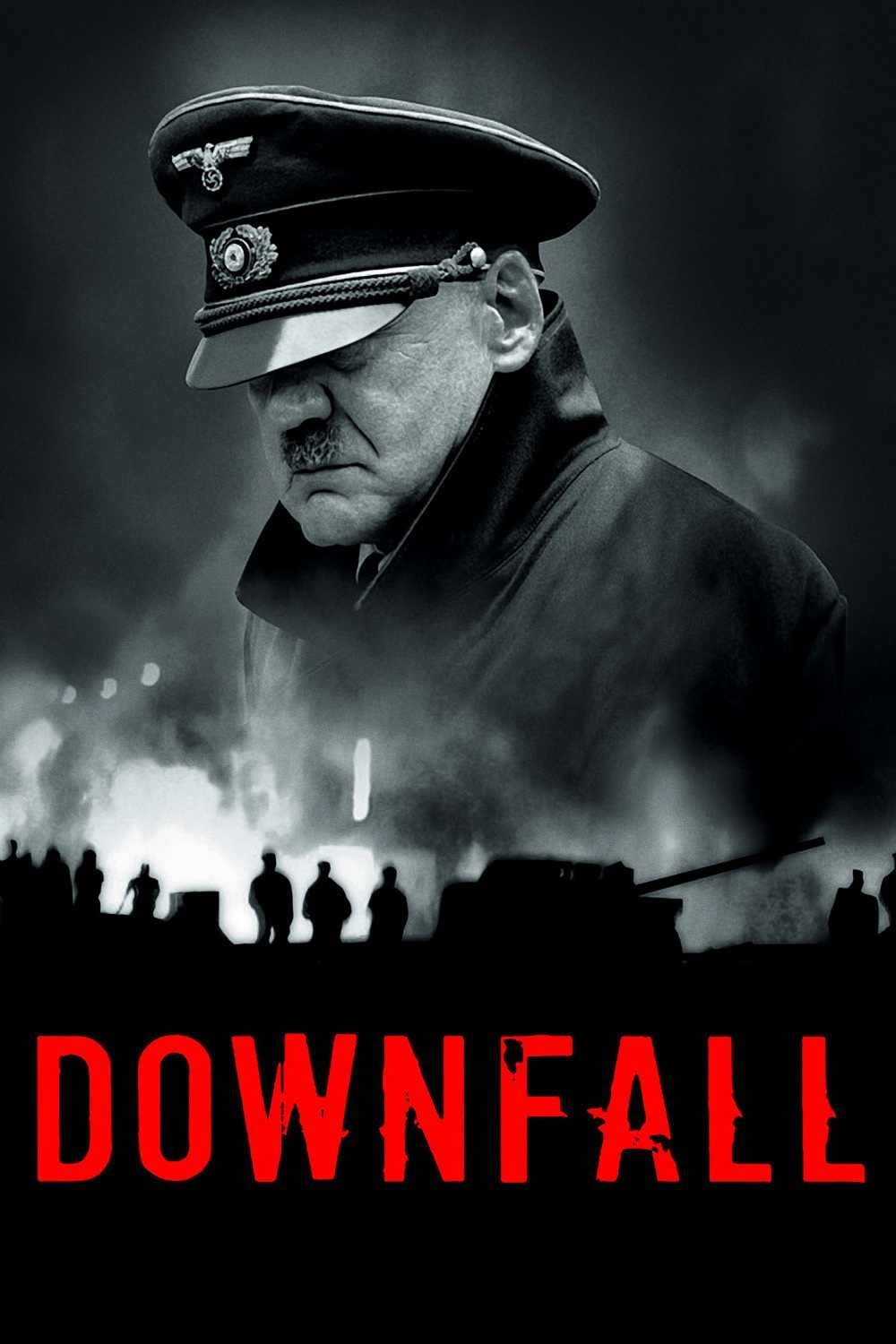
Why This Film Is Beginner-Friendly
When I first decided to dip my toes into films rooted in major historical moments, I was a bit hesitant. Would the weight of real events overwhelm me? Would the style be too detached or dense? With this film, though, I found an unexpected sense of immediacy and relevance. What struck me most is how straightforward and clear the storytelling feels, even though it’s dealing with such an infamous period of history. The way the camera lingers on faces and everyday details made me feel like I was right there, not just watching something from the distant past but living through the tension alongside the characters. For me, this accessibility—feeling grounded in a reality that’s both specific and universal—is exactly what can help someone brand new to classic cinema feel welcome rather than intimidated.
Another thing I noticed is that you don’t need a deep understanding of history or the German language to follow along. The film’s emotions aren’t buried under symbolism or complex references. Instead, it draws you in through universal human experiences—fear, loyalty, denial, and hope—presented through powerful performances and gestures that speak volumes without needing much explanation. For me, that was a huge plus. I remember feeling nervous that I wouldn’t “get” the deeper significance, but the film’s focus on human psychology, rather than academic analysis, swept those worries away. This made it feel less like a history lesson and more like a window into the hearts and minds of people during a crisis.
On a technical level, I found the visual style clean and modern, which made the film approachable. Sometimes when I sit down to watch older or more “serious” films, I brace myself for grainy footage or distant-sounding dialogue. Here, everything felt crisp and alive, making it easy for me to stop worrying about format and just get absorbed in what was happening. All of this combined made my first experience not just manageable, but genuinely riveting. If you’re starting out and want to feel involved rather than lost, I think this movie offers exactly that bridge.
What to Know Before Watching
- The film is set almost entirely inside cramped rooms and bleak bunkers, which creates a feeling of intense claustrophobia I wasn’t fully prepared for. That sense of being hemmed in—both physically and emotionally—might feel unfamiliar if you’re used to large, action-filled war epics or sweeping cityscapes. Instead, you’ll find yourself immersed in tight spaces, listening and observing as cracks start to show among these historical figures.
- The pace moves at a deliberate, unhurried rhythm. I noticed that this doesn’t mean “boring,” but rather it asks you to spend time inhabiting the characters’ world. If, like me, you’re used to rapid cuts or non-stop plot twists, it might take an adjustment period to tune into the film’s more human and tension-driven approach. The gradual build-up rewards close attention—there’s a kind of suspense that comes from simple, quiet moments, not just dramatic explosions or confrontations.
- One surprise for me was how unflinching the film can be in its depiction of fear, despair, and moral collapse. Sometimes I found myself taken aback by the rawness of certain moments. This isn’t a movie that softens the edges or provides easy moral answers. Instead, it shows complicated people wrestling with their choices at the end of an era, some of whom are responsible for unimaginable things. There were moments when I felt deeply unsettled—not because of graphic violence, but the psychological weight that hangs over every decision. It’s sobering, and I think that honesty is part of what makes the experience so memorable.
Key Things to Pay Attention To
For me, the most compelling aspect was watching how the tensions and fears ripple across each character’s face. I paid special attention to subtle glances, fidgeting hands, and nervous postures—the little signals that reveal far more than any speech could. I realized that the emotional truths of the story are often found in these moments, especially as the situation becomes more desperate. The performances are vivid, even when the characters are silent, and I remember thinking how the actors use every gesture to let us see what’s unspoken and unresolvable in this dark chapter of history.
I also found it helpful to notice the changing mood of each room. In the beginning, there was still a certain spark of hope or bravado; as time passes, I watched those feelings melt away, replaced by anxiety, anger, and despondence. The atmosphere almost felt like another character, evolving with every turn of the story. For someone new to this style of film, following these shifts helped me track the progression of events, even when historical specifics seemed daunting or unfamiliar.
Another thing I focused on was the idea of loyalty and belief—how different people respond when their world falls apart. Some cling to old certainties, others question everything, and some simply try to survive. There’s no neat divide between “good” and “bad” here; instead, I was struck by how messy and unpredictable human behavior becomes under stress. If you’re just starting out, I’d encourage you to look past the surface and ask yourself: What motivates each person? What are they afraid of losing? How do they justify what they do, and when do those justifications start to crumble?
Finally, I tried to keep an eye on how the director uses space and lighting. The bunker’s darkness feels overwhelming at first, forcing you to rely on what you hear as much as what you see. Gradually, I found that this made the rare flashes of daylight—like a glimpse outside or a crack in a wall—feel all the more significant. It’s a subtle but powerful way of showing how hope shrinks and disappears. Noticing these visual cues added another layer to my understanding of the film’s emotional texture.
Common Misunderstandings for First-Time Viewers
- Misunderstanding 1 – Some might think the film tries to make its subjects seem sympathetic or excuses their actions. Personally, I didn’t experience it that way. I saw the focus on human moments as a way to help us witness how ordinary people can become entangled in extraordinary crimes, not as an attempt to minimize responsibility or create heroes.
- Misunderstanding 2 – It might be easy to think you need a lot of background knowledge about World War II to follow the story. In my case, I came in knowing only the basics, and I never felt lost. The film gives enough context through dialogue, setting, and the characters’ reactions, so you can follow the emotional journey regardless of your prior knowledge.
- Misunderstanding 3 – There’s a temptation to see this as just another war movie or a simple recounting of events. What surprised me was how little actual battle you see. It’s not about front-line action, but about the implosion of a regime behind closed doors. For me, this made it feel less remote and more immediate, focusing on the personal and psychological fallout instead of traditional combat scenes.
Is This a Good Starting Point for Classic Cinema?
If you’re like me and find yourself both curious about history and a bit nervous about diving into “classics,” I think this film is an ideal entry point. The acting immediately drew me in; there’s an almost magnetic realism to the performances that made the past feel tangible and alive. Even though the subject matter is heavy, I found myself more focused on the people and their choices than on feeling weighed down by the events themselves. For me, that’s what I want in my first experiences with classic cinema—something that opens up dialogue about humanity, not just history.
Another reason I feel comfortable recommending this as a first classic film is because it doesn’t ask you to decode complicated symbolism or take a crash course in old Hollywood conventions. Everything you need is right there in the way the rooms are lit, the way the actors lean against a wall, or the hesitant steps people take. I never felt lectured at or excluded; instead, I felt like I was being offered a front-row seat to the end of an extraordinary era. That sense of inclusion is so important for anyone just beginning their journey into classic movies.
I know some people worry that classic cinema demands a kind of patience or appreciation for bygone styles that’s hard to come by if you didn’t grow up watching older films. But with this movie, I never felt I needed to “work harder” as a viewer. The emotions are right there on the surface, and the filmmaking so often speaks for itself. Whether you’re drawn in by the human drama, fascinated by history, or just eager to try something acclaimed and respected, I really think this selection offers exactly what you’re looking for as a starting point—authenticity, emotional depth, and relevance.
Of course, every classic has its quirks, and not every moment will feel familiar. But sometimes it’s those very differences—the slightly slower scenes, the unusual perspectives, or the intense close-ups—that made me pay closer attention and walk away with more than I bargained for. This movie won’t give you easy answers, but for my first foray into classic cinema, it gave me something better: a chance to understand how the past can still speak, challenge, and even move you deeply today. I can’t think of a stronger recommendation for anyone just starting out.
If you’re wondering how this film compares to others that have stood the test of time, these may help.
🎬 Check out today's best-selling movies on Amazon!
View Deals on Amazon