
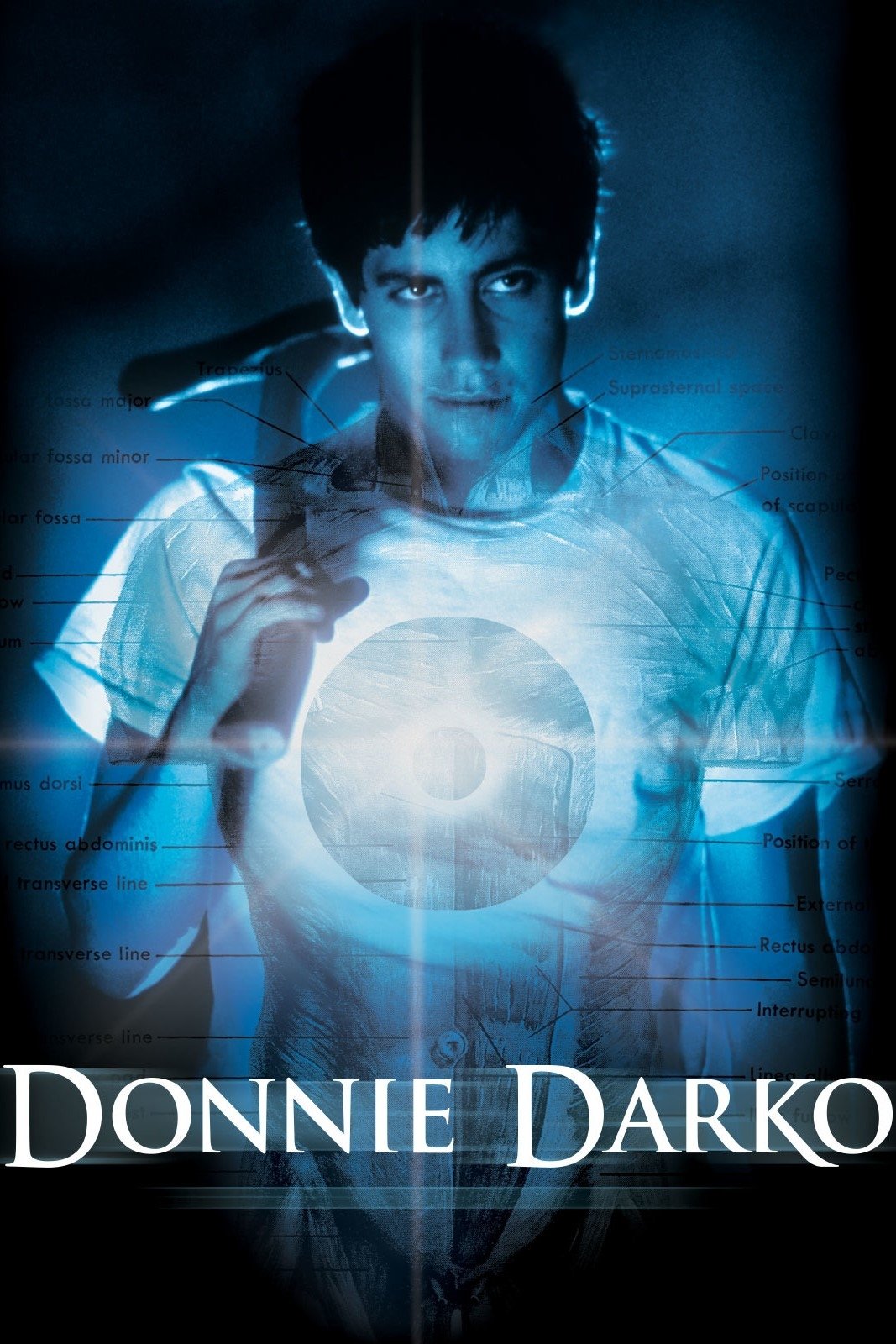
The First-Time Viewing Experience
The first time I sat down to watch Donnie Darko, released in 2001, I felt as if I was stepping into someone else’s lucid dream—unpredictable, deeply personal, and suspended between clarity and confusion. There’s a jittery sense of anticipation that bubbles up in me every time I recommend this movie to a newcomer, because there’s simply nothing like experiencing its muddled suburban corners and jarring midnight voices for the first time. Once the film’s opening moments begin, scored to the mournful echoes of Echo & the Bunnymen, I could sense that the supposedly familiar world was already rendered strange. It’s rare for a movie to make me feel both at home and adrift within the same scene, but Donnie Darko does so almost effortlessly.
I remember being immediately drawn into the emotional currents swirling beneath the film’s moody suburban façade. My mind raced with curiosity, trying to piece together the mystery—a giant, unnerving rabbit figure; fragmented family breakfast dialogues; cryptic numbers scrawled in a notebook. I found myself wondering: am I supposed to understand everything right away? Over time, I realized the answer is no, and that acceptance brought a surprising joy. Whether or not the intricate plot threads tied up neatly on my first viewing, I was enveloped by a strong sense of longing—a search for meaning that felt especially pertinent to our uncertain times.
What lingers, even days after the credits roll, is the ghostly residue of questions left unanswered. I recall feeling a bit lost but not in a way that left me frustrated. Instead, it sparked a hunger to talk about everything I’d just seen, as if every surreal moment invited me to reflect on destiny, time, and the strangeness of growing up. That emotional aftertaste is what hooked me, and I find it’s what so many new viewers describe: a sense of being truly seen, even as you lose your bearings. There’s nothing static or predictable about a first encounter with Donnie Darko—it’s equal parts puzzle box and diary, existing both as a film and a deeply subjective experience.
Emotional Moments That Resonate
When I think back to the scenes that burrowed into my psyche, I immediately revisit the unlikely tenderness threaded through the film’s atmosphere of dread. There’s a particular moment that lives rent-free in my mind: Donnie, awkward and emotionally raw, opening up to his therapist about his deepest fears. It’s a scene where vulnerability is illuminated with aching honesty, and I felt an uncanny kinship with his sense of alienation and confusion. Even if I couldn’t quite define everything he was experiencing, I could feel the authenticity of that emotional exposure.
The haunting slow dance between Donnie and Gretchen at the school—strange, beautiful, and set to a brooding musical backdrop—still makes me catch my breath. In that moment, hopelessness and hopefulness appear side by side, encapsulating the essence of teenage longing. When I watched it for the first time, what resonated most wasn’t the convoluted mechanics of time travel or cosmic fate, but the gentle awkwardness of connection: the stolen glances, the hesitant smiles, the powerful need to be known by another soul.
Another emotionally charged scene unfolds during the Smurf debate with Donnie’s friends. Beneath the playful banter and absurd pop culture argument, I sensed something quietly poignant: a desperate attempt to make sense of childhood myths against the tidal wave of adult uncertainty that’s beginning to crash into their lives. A simple, throwaway moment like that became a touchstone for the entire film, for me—it’s about the longing for simplicity and certainty in an increasingly chaotic world.
But if one moment pierced me most of all, it was the closing montage, set to Gary Jules’ melancholy cover of “Mad World.” That song, paired with silent glimpses of each character, filled me with unexpected empathy and sadness—a kind of grace paired with the weight of unresolved fates. I didn’t have to have all the answers for the film to make an indelible mark. The cumulative emotion of these vignettes left me with a feeling akin to nostalgia for a place I’d never been, and a recognition of the fragility and beauty of simply being alive.
How to Appreciate This Film Without Prior Knowledge
I still remember my uncertainty the first time I watched Donnie Darko. Was I missing secret references? Did I need to brush up on quantum theory or 1980s pop culture before pressing play? If those worries are fluttering in your mind, I want to reassure you from the heart: this film does not demand encyclopedic wisdom, and absolutely no preparation is required. What matters most is a willingness to listen—to yourself as much as to the film. I discovered quickly that the richness of the experience comes from letting myself wander through its world without the pressure of deciphering every cryptic clue.
One of the special joys of approaching Donnie Darko as a newcomer is the freedom to simply feel your way through it. I let the unfamiliarity wash over me, embracing confusion as a kind of invitation instead of a barrier. The film’s layered storytelling and visual riddles aren’t obstacles for the uninitiated; rather, they’re permission slips to explore. Whether or not I could fully explain the wormholes or philosophical quandaries (and I certainly couldn’t on my first go-round!), my emotional investment carried me past those intricate details.
Whenever I hear people worry they won’t “get” Donnie Darko, I tell them what I learned: there’s no quiz at the end. The questions are part of the point. You don’t need to draw a map of the film’s universe to connect with what’s at stake for the characters—Donnie’s longing, Gretchen’s kindness, the quiet agony of his parents’ worry. Letting go of the urge to be an expert allowed me to immerse myself more authentically in the film’s emotional currents. The story will find you, even if you aren’t searching for every hidden thread.
Who This Film Is Best Suited For
- Lovers of emotionally layered coming-of-age stories who appreciate ambiguity and poetic darkness
- Unconventional movie fans hungry for films that refuse easy answers and encourage deep discussion long after the screen goes black
- Viewers who gravitate toward music-driven cinema and the nostalgic, bittersweet feel of late-night contemplation
A Beginner’s Final Recommendation
If you’re considering watching Donnie Darko for the first time, I hope you let yourself surrender to its hypnotic uncertainty, just as I did. The film is not designed to comfort or spell everything out, but rather to spark a deep interior conversation that lingers long after the lights go up. My advice, from one viewer to another, is to allow yourself patience—both with the film and with your own interpretations. If a scene leaves you puzzled, lean into that feeling rather than away from it.
On my first viewing, I didn’t come away with clear explanations or a neat understanding—but what I gained was something even better: a lingering curiosity, a renewed affection for weirdness, and an emotional echo that followed me for days. This is a film that rewards attention to its smallest gestures and its most surreal twists alike. The magic of watching Donnie Darko today, as it did years ago, is the profound connection it creates—not just between viewer and film, but between anyone who’s ever felt lost or different, and longed to be understood.
If you give your full attention and an open heart, even in the absence of complete comprehension, this film will likely find resonance with you. Bring your questions, your confusions, and your secret hopes. Every time someone experiences Donnie Darko for the first time, its world is reborn through fresh eyes—and that, to me, is the eternal beauty of film.
To understand whether timeless appeal still resonates today, modern reassessments are worth exploring.
🎬 Check out today's best-selling movies on Amazon!
View Deals on Amazon