Why This Film Is Beginner-Friendly
Coming to “Django Unchained” as someone who was still finding my footing in the world of classic films, I quickly realized how much it throws out a wide, thrilling welcome mat for newcomers. For me, one of the biggest hurdles in getting into older movies was feeling like I needed a film school degree just to understand what was going on, or worrying I’d get lost in dialogue or references only regular cinephiles knew. But with “Django Unchained,” I never once felt excluded or behind. Quentin Tarantino’s approach is bold and direct—he takes a playful, energetic swing at a classic genre (the Western) while using a very modern style that’s hard to look away from.
From the very beginning, I found myself drawn in by the vibrant characters and clear sense of purpose. Even the heavier moments, and they can be very heavy, are balanced with dark humor, stylized action, and dialogue that feels alive. There’s a kind of transparency in how the movie presents itself—it doesn’t demand you’ve watched decades of old westerns, or that you recognize genre tropes. Instead, I felt swept up by the confidence and clarity of the direction and editing: for me as a beginner, there weren’t any confusing storytelling tricks or subtlety overloads to parse. Even if I’d never seen a Western before, I didn’t feel lost.
What surprised me most was how “Django Unchained” manages to teach you about the Western genre by the example of its own storytelling. I could see references and echoes of older movies, but none of that was required to enjoy or understand what was happening. The movie is full of energy, sharp visual cues, and accessible motivations driving the characters. The themes—freedom, justice, revenge—are introduced right up front, and, whether you’re a complete novice or a seasoned film buff, the movie gives you clear signposts to follow. I loved that it never assumed too much of me as a viewer, and instead welcomed me along for a wild, cinematic ride. That, in my experience, makes it an absolutely solid film for anyone who’s just starting their journey through classic cinema.
What to Know Before Watching
- Historical or stylistic elements that may feel unfamiliar
- Pacing or storytelling differences from modern films
- Anything that might surprise new viewers
If you, like me, are used to today’s movies where everything looks and feels extremely polished and realistic, you may notice that “Django Unchained” is deliberately stylized. Tarantino draws inspiration from what are called “spaghetti Westerns”—Italian-made westerns from the 1960s and 1970s. The movie uses exaggerated gunfights, bold colors, and a soundtrack that swerves from classic Western music to unexpected modern tracks. At first, I found the sudden shifts in music or intentional dramatics a little jarring, but it soon became clear these touches are part of the film’s playful nature, and they actually help make its heavier subject matter more digestible for a first-timer.
I went in expecting the fast pace and quick scene changes I’d seen in other blockbuster movies, but Tarantino does something different here—he allows scenes to linger, letting the tension build so that every confrontation means something. Some early scenes take their time, letting the actors’ performances really land, so if you’re new to this style of storytelling, it might feel slower than what you’re used to. For me, these deliberate pauses became really rewarding: they gave the emotional stakes time to sink in before everything exploded into action.
When I watched this movie for the first time, I was unprepared for just how graphic and stylized the violence would be. It’s not realistic in a documentary way—it’s heightened almost to the point of being surreal, with bright red squibs and over-the-top action. I also found myself surprised by how the film refuses to shy away from the brutal realities of slavery in 19th century America. Tarantino does not pull punches with the subject matter, but the outrage and discomfort are very much the point. For me, it felt both shocking and cathartic, meant to engage and disturb in equal measure. The humor and energy keep it from ever being miserable or bleak for its own sake, which I really appreciated as a new viewer.
Key Things to Pay Attention To
As I settled in to watch “Django Unchained,” I found myself constantly drawn to the way every moment is engineered for impact—whether that’s emotional, visual, or even sonic. I began to realize early on that, for all the wild action and stylized violence, the heart of the story is found in the characters, their relationships, and how they navigate a world stacked so violently against them.
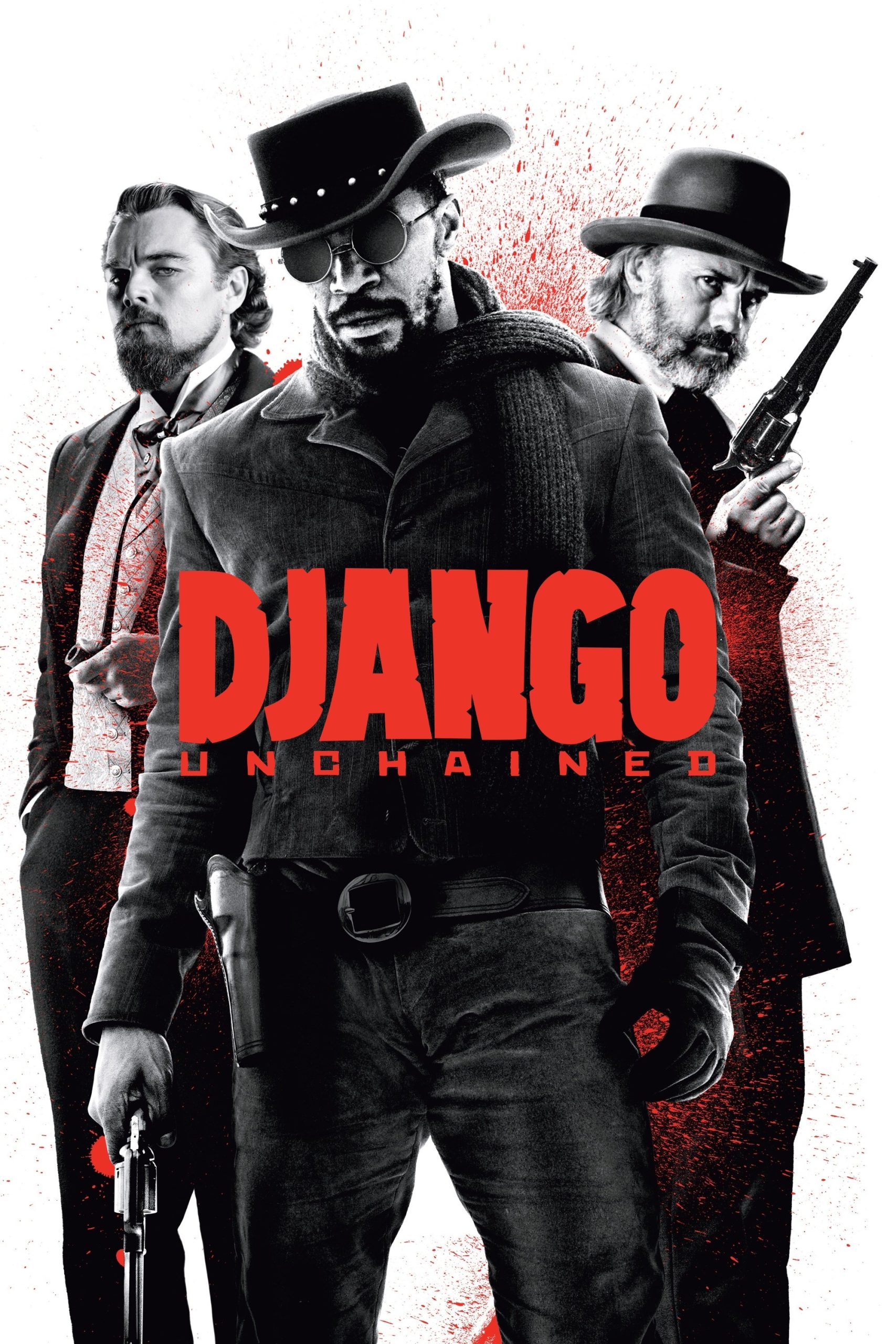
The character of Django himself was magnetic for me: his journey from silent, suffering prisoner to an empowered, determined hero is mapped out not only through dialogue, but especially through the way he moves and reacts. I started watching for tiny changes in his posture, the fire in his eyes as the story progresses—details that told me volumes about his internal transformation even before he spoke. I’d recommend especially tuning into the performances of Jamie Foxx (Django), Christoph Waltz (Dr. Schultz), and Leonardo DiCaprio (Calvin Candie). Their interactions are sharply drawn, sometimes playful, sometimes loaded with threat, and they carry the film’s tension powerfully.
I also found myself fascinated by Tarantino’s use of music and cinematography. The director loves to swing the mood of a scene with an unexpected song choice or an abrupt camera movement. Sometimes a bright, contemporary track will suddenly play over a sweeping Western landscape, or the camera will hold, just a beat too long, on an object or a character’s face. I started thinking about why those decisions are made—what feelings or revelations they’re supposed to spark in me as a viewer. For a beginner, I think it’s fun to notice how your mood shifts alongside these choices.
Finally, the emotions are big and unapologetic. Rage, fear, sadness, even joy—each is painted in bold strokes, not subtle hints. I found it really satisfying that Tarantino trusts the audience to sit with intense feelings rather than try to soft-pedal them. As I watched, I kept tuning in to how the movie plays with my own reactions, pulling me from horror to laughter, from suspense to sudden relief. It’s a great example of how a film can actively engage the emotions of its viewer in a very direct, beginner-friendly way.
Common Misunderstandings for First-Time Viewers
- Misunderstanding 1 – Thinking it’s just a “fun action film”
- Misunderstanding 2 – Assuming the historical accuracy is the point
- Misunderstanding 3 – Expecting typical subtlety or restraint
At first glance, I went in thinking “Django Unchained” was just another exciting, over-the-top Western—a revenge movie with lots of shooting and explosions. But immediately, I realized it’s much more layered than that. Underneath all those fireworks, the film deals seriously with the history and horror of slavery, using entertainment as a tool to get audiences talking and thinking about things that some movies might try to soften or avoid. For me, the film became more meaningful when I allowed myself to see beyond the stylish gunfights to the bigger statements being made about power, justice, and freedom.
One thing that threw me off as a newbie: I kept wondering if every detail was meant to be a faithful recreation of the 1850s South. It’s not. “Django Unchained” is a wild remix of genres, tones, and influences. Tarantino cares less about recreating real history and more about channeling the spirit of old pulp fiction, spaghetti westerns, and even vengeance-driven legends. I learned pretty quickly that it’s okay to let go of timelines or nitty-gritty authenticity and allow the emotional truth and larger symbolism to do the talking. That shift freed me up to just enjoy the ride.
Coming from more understated dramas or modern blockbusters, I was initially surprised—almost overwhelmed—by how big and stylized everything felt. The emotions, the violence, and even the humor are turned all the way up. But as I watched, I found that this is intentional. Tarantino uses exaggeration to draw attention to the reality behind the myth-making, and to keep you ever aware that you’re watching a story with a point of view. Once I embraced the film’s boldness, I found myself actually appreciating how it encourages a gut-level reaction over polite, distant observation.
Is This a Good Starting Point for Classic Cinema?
If you’re weighing whether “Django Unchained” should be your first step into classic cinema, I’d wholeheartedly say yes—for many reasons that I discovered along the way. It’s a bridge between eras: a movie that feels punchy and new, yet it constantly nods to—and sometimes winks at—decades of Westerns, action films, and exploitation flicks that came before. Watching it, I felt like I was getting a crash course in cinematic history while still enjoying something undeniably modern and exciting. For someone intimidated by the “homework” feeling of older films, I found this one immediately engaging. The stylized storytelling, unmissable characters, and Tarantino’s knack for creating iconic moments made me hungry to see what inspired him.
As a beginner, what I appreciated most was how “Django Unchained” meets the audience where they are. I didn’t need to know film jargon, I wasn’t lost in obscure references, and even the moments that challenged me—whether emotionally or visually—felt purposeful and honest. The film respects the intelligence and emotional range of first-time viewers. It made me curious about everything from 1960s spaghetti westerns to the creative potential of genre-mixing in cinema.
I came away feeling not only entertained, but also awakened to how movies can combine social commentary, humor, and spectacle without ever talking down to their audience. If you’re about to begin your classic film journey and you want something that’s immediate, impactful, and a little bit wild, I simply can’t think of a better place to start. “Django Unchained” has that rare quality of making newcomers feel like they belong in the conversation, right from the opening frame. I’m glad it was an early stop on my own journey, and I think it can do the same for anyone ready to take the plunge into classic cinema.
If you’re wondering how this film compares to others that have stood the test of time, these may help.
🎬 Check out today's best-selling movies on Amazon!
View Deals on Amazon