
The First-Time Viewing Experience
The first time I sat down to watch “Do the Right Thing,” released in 1989 but more urgent than so many newer films I’ve seen, I felt this rising sense of curiosity mixed with gentle apprehension. I’d always heard it described as a classic, but no one had managed to convey the vivid intensity or the immediate relevance it possesses, even decades after its debut. As I found myself pulled into the sweltering Brooklyn block brought to life by Spike Lee, I was stunned by how much the energy and heat of the film seeped out of the screen and into my living room. There’s a palpable charge in every frame—a tactile atmosphere that made me shift in my seat and pause to breathe.
Watching “Do the Right Thing” for the first time was, for me, a bit like stepping into an ongoing, overheard conversation: loud, funny, loving, and fiercely honest. I definitely felt out of place for the first few minutes, as though I’d wandered into a neighborhood where everyone already knew each other and spoke in their own fast-paced rhythms. Instead of alienating me, though, this sense of immersion made the characters feel tangible and true. Their lives, frustrations, and joys flowed together so naturally that it was impossible not to get swept along, almost before I realized it.
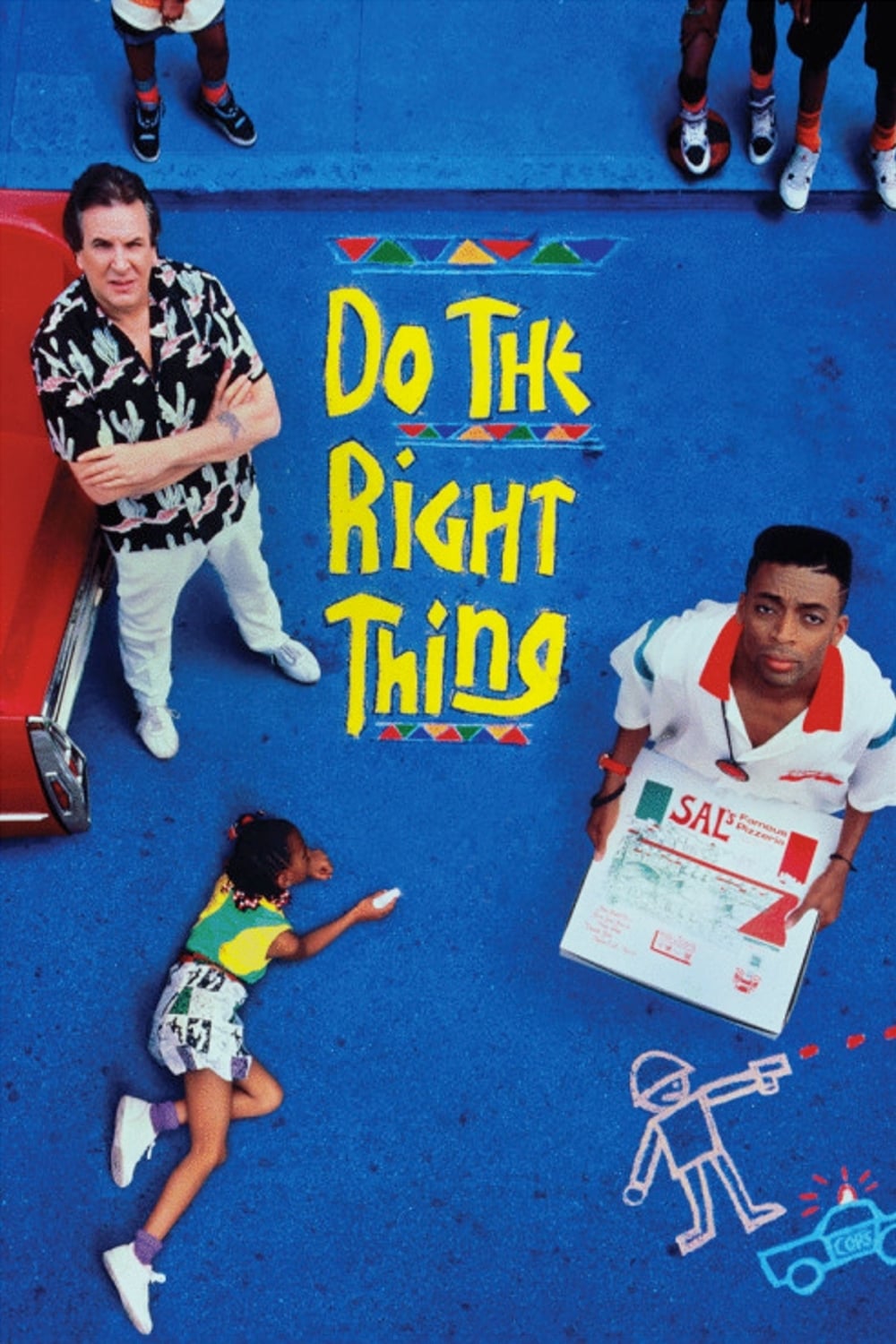
Something else that struck me as a first-time viewer is how Lee’s visual style—chains of primary colors, bold setpieces, and confrontational close-ups—felt welcoming yet demanding. There was no passive way to take in this story. Even though I didn’t always understand the cultural nuances or the codes of the block, there was an immediacy to the filmmaking that made me want to learn. By the end of that first viewing, I was buzzing with unsettled thoughts and new empathy. The movie didn’t end so much as it left a door open, challenging me to keep thinking, long after the credits faded. It was a kind of cinematic invitation: not to be comfortable, but to be alive and attentive to the world around me.
Emotional Moments That Resonate
Certain scenes from this film never really leave me, no matter how many weeks or years pass. The one that hits hardest isn’t even the most violent or controversial. For me, it’s those moments of everyday life—a father spraying his son with a fire hydrant, friends teasing each other with both affection and frustration, or a local elder (Da Mayor) offering gentle hope amid the clamor—that quietly build a sense of community both comforting and precarious. The joy and tension coexist in every exchange, and it’s impossible not to feel drawn to both.
The infamous heatwave, which acts as a pressure cooker on simmering resentments and love alike, is more than a backdrop. It’s the hum through my nerves as I watch. When tempers flare—viscerally, heartbreakingly—in the climax, I felt a wave of confusion, pain, and urgency that surprised me. The violence, which erupts between neighbors I’d grown to care for, is raw and unvarnished; it carries no triumphant score, no clear sense of righteousness. Instead, I was left with churning questions: about anger, justice, and community. In that sense, it echoed my own real-world uncertainties, making the emotional impact all the more personal and enduring.
What resonates most, though, are the quieter acts of defiance and solidarity. The chalkboard quotes from Martin Luther King Jr. and Malcolm X that bookend the film forced me to confront my own understanding of protest, peace, and rage. I couldn’t help but return to Radio Raheem’s story—the “love and hate” speech, delivered to the camera with such sincerity that it’s impossible not to listen. That single scene, with its mythology of brass knuckles and cosmic struggle, encapsulates something essential about what it means to live in a world divided. The emotion isn’t just intellectual—it’s something I feel burning in my chest.
How to Appreciate This Film Without Prior Knowledge
If I could offer any reassurance to a first-time viewer, it’s this: you do not need to be a student of cinema, or of 1980s New York, to find yourself swept up by this film. The magic of “Do the Right Thing” comes from its humanity, not from a litany of references or historical context. When I first hit play, I worried I might miss in-jokes or context. But it turns out the movie meets you exactly where you are, drawing you in with moments that are universally recognizable. Family bickering, small kindnesses, flashes of humor at life’s absurdities—those need no translation. Almost instantly, I realized I was not just watching but participating, reacting, caring, and questioning.
While it is unflinchingly specific about place and culture, the film’s themes—identity, dignity, belonging, prejudice—felt absolutely relevant to my own world. I didn’t have to recognize every song or corner store to understand why certain characters felt invisible, or why the smallest act of disrespect could tip over into something profound. The movie lays bare those daily wounds and triumphs with such immediacy that I followed along instinctively. Sometimes I would look up details after watching, to satisfy my curiosity about real Brooklyn history or the hip-hop era, but it was never essential to the experience. All I needed was to pay attention and sit with the story’s honesty. I found that the less I worried about “getting” everything, the more I could let the film’s questions—and sometimes its answers—come to me naturally.
Who This Film Is Best Suited For
- Anyone looking for vivid, thought-provoking stories about everyday life and difficult choices
- Viewers eager to engage with social issues, activism, and conversations on race without expecting tidy solutions
- People who appreciate energetic visuals, dynamic characters, and movies that invite ongoing discussion long after the credits
A Beginner’s Final Recommendation
If you’re on the fence about whether “Do the Right Thing” is a film you’ll understand, connect with, or simply appreciate, I encourage you to trust your own instincts and curiosity. My first viewing was transformative because it asked something of me—not just as a spectator, but as a participant in its world. You don’t need a background in film theory or social history to feel the electricity in its dialogue, the sorrow in its conflicts, or the hope that lingers despite everything. All you need is a willingness to watch with your eyes and heart open.
This is not a film that gives easy answers or lets you coast by comfortably. For me, this honesty was a gift rather than a barrier. I left that first viewing with more questions than conclusions—but also with a deeper sense of empathy and alertness to the world around me. Watching “Do the Right Thing” sparked conversations with friends, pushed me to learn more, and helped me notice small, significant details about the neighborhood I live in now. If you’re willing to give yourself over to a story that’s both vibrant and challenging, personal and political, you’ll find that this film remains startlingly present and alive, even if it was made decades ago. And if you’re nervous about diving into a movie so beloved—don’t be. Let the images, sounds, and voices wash over you, respond honestly, and allow the experience to unfold at its own pace. Your own reactions are more than enough to carry you through.
To understand whether timeless appeal still resonates today, modern reassessments are worth exploring.
🎬 Check out today's best-selling movies on Amazon!
View Deals on Amazon