
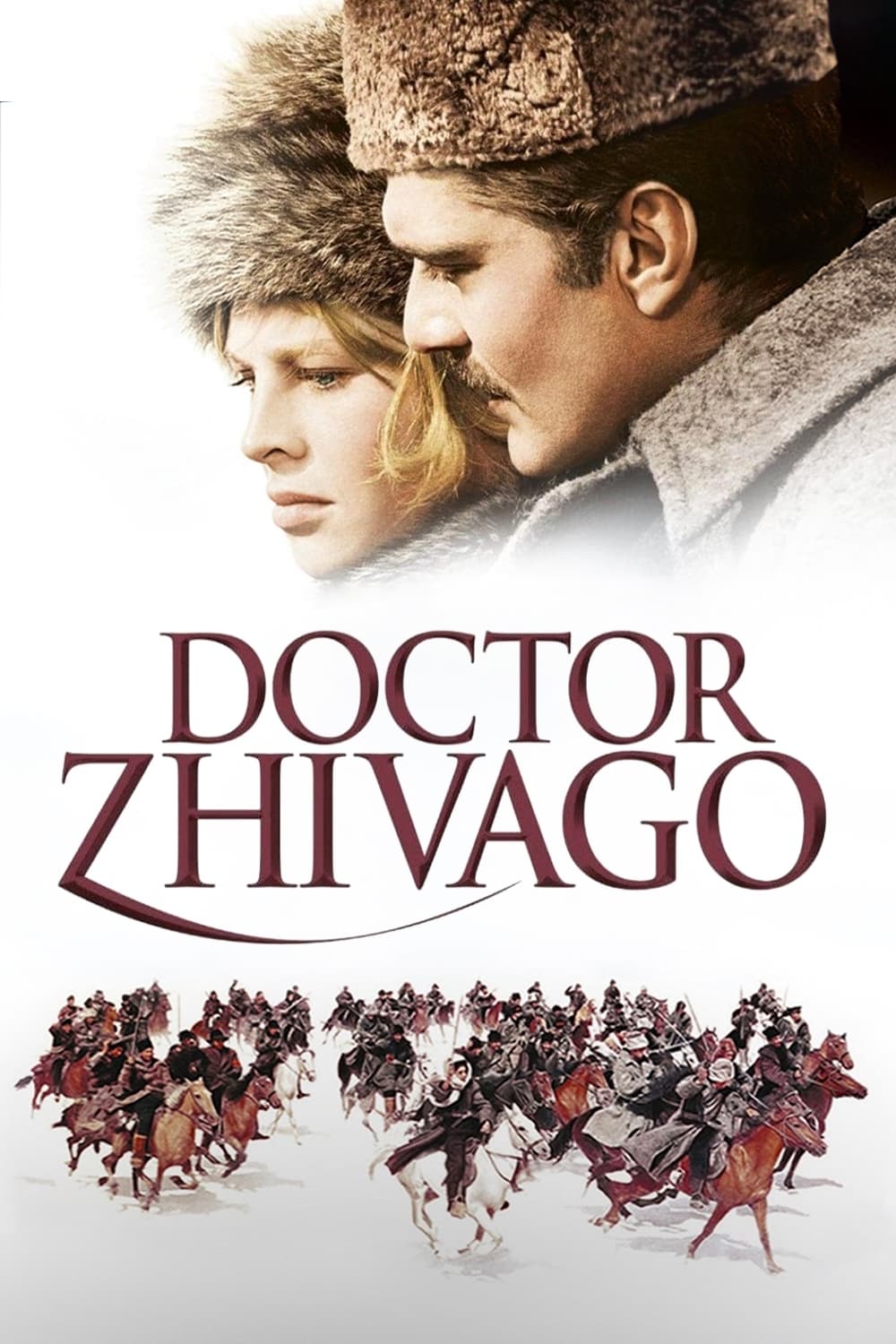
Why This Film Is Beginner-Friendly
I remember when I first approached classic films—I was nervous about black and white imagery and worried I’d get lost in stories that felt far removed from what I was used to. But there was something about experiencing Doctor Zhivago for the first time that felt unexpectedly welcoming. Part of it, I think, is the sheer richness of the visuals, which are lush and vivid in a way that’s easy to appreciate even if you’ve only ever watched modern blockbusters. The world is painted with color, sweeping landscapes, and striking costumes, almost inviting me to settle in and look around. The story, though rooted in Russian history, unfolds through emotional human connections that I found surprisingly universal—love, hope, survival, and longing. Even though the events happen in a time and place very different from my own, I felt immediately hooked by the personal stakes and real feelings that drive every scene. If you’re worried old classics might feel “staid” or hard to relate to, I’d say this movie gently throws those worries out the window. Its romantic pulse and visual storytelling make it accessible, and I believe it’s an ideal first step for anyone hesitant about classic cinema’s potential for warmth and spectacle.
What to Know Before Watching
- The story unfolds against a backdrop of the Russian Revolution, which may feel unfamiliar at first. When I started watching, I realized I didn’t need to know every historical detail; the feelings and personal journeys are front and center no matter your background knowledge.
- The film’s pacing is more measured than what I was used to. Instead of racing from one twist to the next, Doctor Zhivago lingers on characters and moments, letting scenes breathe. At first, I had to resist the urge to pick up my phone or get distracted, but once I gave in to the slower rhythm, I found it rewarding and immersive.
- Classic films often use more overt musical scores and visual cues to direct your emotions. Here, the iconic “Lara’s Theme” weaves through the movie so often that I found myself humming it days later. Some moments are heightened to emphasize deep feelings, and I learned to let myself get swept up by these strong emotional cues, rather than expecting subtlety at every turn.
- Don’t be surprised if several characters have more than one name (for example, nicknames or more formal names). It confused me at first, but as the story progresses, these names start to feel natural, almost like how we might call friends by full names or affectionate nicknames.
- The film is long (over 3 hours), with an intermission in some versions. This used to feel daunting to me, but breaking it up into two sittings made it more digestible and kept me engaged throughout.
Key Things to Pay Attention To
When I watch Doctor Zhivago, I try to let myself sink into the relationships more than the politics at first. The film’s emotional core—it’s yearning, heartbreak, tenderness, and quiet hope—is told through glances, small gestures, and vivid settings. I remember being struck by how the changing seasons mirror the characters’ inner lives, with winter snows feeling as heavy as lost love, and sunlit meadows catching moments of rare happiness. The main characters, especially Yuri and Lara, navigate impossible circumstances, and the way they express joy, grief, and longing always pulls me in. I find it helpful to focus on their faces and body language. Even when political events swirl in the background, it’s the subtle ways they look at each other—or avoid looking—that deliver the film’s real messages to me.
I also pay close attention to how space and background are used visually. Large, sweeping shots are contrasted with tight, intimate close-ups, signaling when to think about the world at large versus when to dwell on an individual’s private feelings. Little details, like a child’s drawing or a weather-beaten house, linger in my mind long after. The music works like another character: sometimes it’s grand and stirring, but often it’s quietly haunting, carrying the weight of what can’t be said aloud. Even if you don’t know the Russian history, just tuning in to the emotion in the score guides your heart through the story. For me, it’s all about letting myself react to these cues—leaning into awe, melancholy, or hope as the film encourages. Each viewing, I discover new nuances between what’s spoken and what’s only hinted at through eyes or silence.
Common Misunderstandings for First-Time Viewers
- Thinking you need to know Russian history in detail – In my early viewings, I worried I’d miss the point if I didn’t fully grasp the Russian Revolution. I learned that while history shapes the story, the heart of the film is personal and emotional, and you can still be deeply moved even with minimal background knowledge.
- Assuming the length means you must watch it all in one sitting – I used to think watching a classic “properly” meant going straight through. Personally, I get more from the movie when I take breaks, reflect on the story, and return refreshed. Don’t feel pressured by tradition; it’s fine to watch it in two parts if that suits you.
- Mistaking the visual grandeur for coldness or emotional distance – Sometimes, the beauty and scale of the film made me suspect it was prioritizing style over feeling. With more patience, I found that every stunning shot and musical swell serves to heighten real, vulnerable emotion rather than distract from it. It’s all there to support the central love story and the characters’ struggles.
Is This a Good Starting Point for Classic Cinema?
When friends ask me where to begin with classic films, I actually point them to Doctor Zhivago quite frequently. There’s an immediate appeal in its visuals, music, and love story, and I believe these are things anyone can connect with regardless of age or experience with older movies. I know the runtime and historical backdrop can seem intimidating at first, and I had those same misgivings, but I found that the film’s staying power lives in its humanity—the hope that persists against the odds, the way personal stories play out against great change, and the mix of heartbreak and beauty that makes it all feel universal. My advice is to approach it not as a homework assignment, but as a journey that invites you in with open arms. You don’t need to be an expert or have watched dozens of classics beforehand. You just need to be open to feeling deeply, to letting imagery and music wash over you, and to accepting a slower pace as a chance for reflection rather than a hurdle. For me, Doctor Zhivago was and is a gentle, sweeping introduction to the pleasures of classic cinema. It’s a film that rewards attention and curiosity, and I firmly believe it’s one of the best entry points if you’re just getting started.
If you’re wondering how this film compares to others that have stood the test of time, these may help.
🎬 Check out today's best-selling movies on Amazon!
View Deals on Amazon