
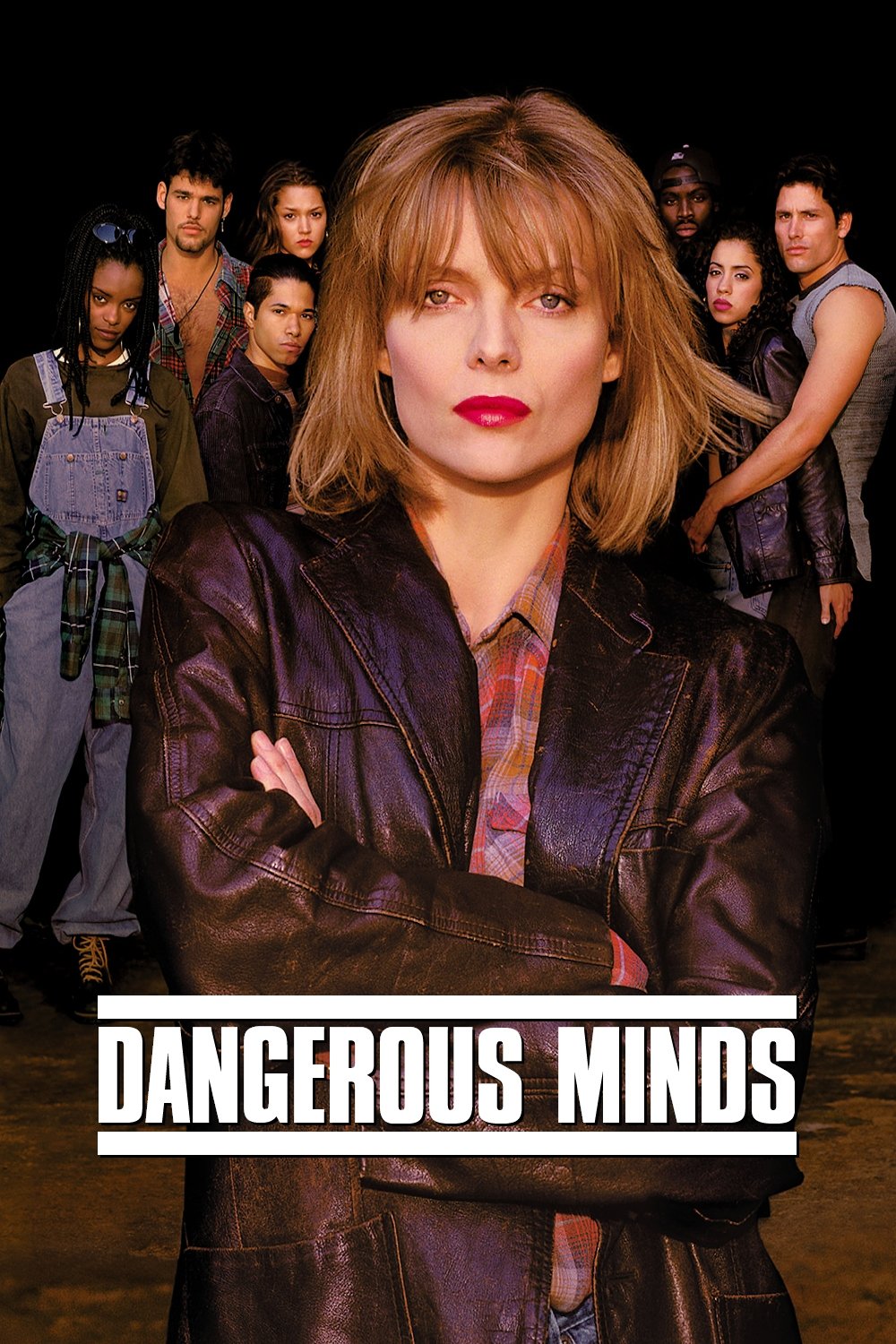
Why This Film Is Beginner-Friendly
I still remember the first time I pressed play on “Dangerous Minds.” I wasn’t sure what to expect from a film that regular movie fans and teachers alike seem to reference. What struck me immediately was how approachable the entire experience felt, especially for someone dipping their toes into the world of classic cinema for the very first time. This isn’t one of those black-and-white, silent-era classics that can sometimes feel distant or intimidating—”Dangerous Minds” comes from a more modern era of filmmaking, which means the pacing, soundtrack, and dialogue make it instantly accessible.
What really makes “Dangerous Minds” an easy entry point is how clearly the story is told. I wasn’t lost for a single moment. The challenges, hopes, and dreams of the characters felt familiar, and there was nothing cryptic about the emotional impact I was experiencing. From the opening moments, I was pulled in by the raw energy of the students and the determination of the main character, LouAnne Johnson, played by Michelle Pfeiffer. Even with some of the social issues the film tackles, like classroom struggles and personal empowerment, everything is presented in a way I found easy to follow—no deep knowledge of movie-making or history required.
For me, the film’s language and music speak directly to viewers raised on ’90s culture, but I also think anyone new to classic cinema will appreciate the clear-cut good intentions at the heart of this story. There’s no need to decode hidden symbolism or pore over nuanced dialogue; “Dangerous Minds” lays everything out with earnestness, conviction, and warmth. I left the film feeling moved, yet totally unburdened by confusion or the need to “get it.” If you’re considering this as your first foray into classic cinema, I think it’s a gentle, welcoming starting point.
What to Know Before Watching
- The movie takes place in the mid-1990s, and I found that the soundtrack, clothing, and slang unmistakably reflect that era. It’s a vivid time capsule, and I loved soaking up the sense of place—but if you’re not used to the strong ’90s aesthetic, it might seem almost nostalgic, or even dated, especially compared to slicker contemporary films.
- The story is pretty straightforward, but the pacing is different from today’s high-energy blockbusters. Some scenes, especially those in the classroom or hallways, really take their time, lingering on the characters’ reactions and emotions. At first, I caught myself expecting jump cuts and quick resolutions, but instead I was invited to genuinely sit with moments—and that offered the space to feel their impact more deeply.
- If you’re anticipating a traditional “teacher saves the day” movie, you might be surprised by the grounded, sometimes gritty feel running through the film. Certain situations are tough, and while I never found the tone mean-spirited, I did notice how the film doesn’t shy away from the real pain and struggle many students face. This blunt honesty was refreshing to me, though I can see how it might be more serious than some people expect from a ‘classic’ film.
Key Things to Pay Attention To
One of the first aspects that caught my eye was the way individual characters are given space to express their fears and hopes. I found it powerful that the film didn’t just stick with the teacher’s journey—so many of LouAnne’s students are memorable in their own right. I was especially moved by how the kids’ personalities shine through, making their stories relatable and distinct. Whenever I wondered about someone’s background, the film often provided just enough context or a quick line that let me fill in the blanks myself.
Another thing I paid close attention to was the emotion that Michelle Pfeiffer brings to the role. There’s an authenticity in her interactions, whether she’s facing resistance or winning over a tough crowd with creative lesson plans. I noticed that the camera spends time on reactions—lingering on a smile or a look of disappointment—rather than cutting away as soon as the dialogue stops. This encouraged me to watch for facial cues and subtle gestures, giving the quieter, wordless moments impact. As someone new to classic films, I really appreciated being “let in” on these feelings, instead of being kept at arm’s length.
The film’s emotional tone changes as the story progresses. At first, there’s a sense of frustration and even hopelessness, but as connections form between LouAnne and her students, hope starts to break through. I found myself rooting for these kids, even when the odds were stacked against them. I recommend watching for those turning points—like the first breakthrough conversation, or the moment when a student takes a risk in class. These shifts aren’t always signposted; sometimes, the change is woven into a lingering shot or a song on the soundtrack. That attention to detail is part of what makes this film so emotionally resonant for beginners like me.
Finally, the music is unforgettable—“Gangsta’s Paradise” immediately sets the tone and sticks with you. I found myself humming it long after the credits rolled. The soundtrack underscores moments of tension, hope, and triumph, making it easy for me to connect emotionally even if I missed a bit of dialogue. The interplay between visuals and music here feels seamless, and I’d suggest paying attention to how a simple beat or background track can make an ordinary classroom scene feel electric—or heartbreaking—without needing any fancy effects.
Common Misunderstandings for First-Time Viewers
- Misunderstanding 1 – Some people think this is an “action” movie because of its urban setting and intense trailer, but I found the story much more focused on relationships and personal change than any kind of Hollywood-style violence. The drama is mostly emotional, not physical—it’s about hearts and minds instead of fights and chases.
- Misunderstanding 2 – I expected every single student to have a neatly wrapped-up arc, but in reality, the film is more honest about how messy life can be. Not every problem is solved by the end. If you’re new to these kinds of movies, it helps to know that some threads stay unresolved, reflecting the real-life ambiguity of teaching and growing up.
- Misunderstanding 3 – You might hear people say that the film is “just another inspirational teacher movie,” so I was prepared for a formula. What actually surprised me was how genuinely the film deals with the students’ individual struggles without leaning too hard on clichés. Though it follows a familiar outline, there’s a sincerity here that I think first-time viewers will feel, too.
Is This a Good Starting Point for Classic Cinema?
When I look back on my own early favorites, “Dangerous Minds” sits right at the top of movies I’d recommend for someone who’s just starting to explore classics. There’s something instantly familiar about it—probably because of its heartfelt approach and its place within pop culture—that made me feel comfortable right away. I didn’t need to research film history or think too hard about deeper meanings; I could just settle in and let the story and characters unfold.
What I appreciate most, though, is how the film invites empathy. It’s impossible for me not to care about the students and their futures by the time the credits roll. “Dangerous Minds” doesn’t make me work hard to find its heart—everything is out in the open, and nothing feels impenetrable or distant. The pacing, dialogue, and visual style are all beginner-friendly, so I never felt lost about what was happening or why it mattered.
This movie works brilliantly as a gateway to older movies because it’s approachable yet covers real, meaningful themes. If you’re nervous about “classic” movies, thinking they might be too slow or hard to follow, I can say from experience that “Dangerous Minds” defies those expectations. It might ask you to slow down and pay attention in ways that modern blockbusters don’t, but in exchange, it offers genuine emotional rewards.
If you’re thinking about starting your classic film journey right here, I wholeheartedly encourage it. Watching “Dangerous Minds” reminded me that a classic isn’t always about age or critical acclaim—it’s about impact. This one still resonates, and I think it’s the perfect way for any newcomer to see how a film can blend entertainment with significance. Don’t worry if your first classic isn’t an old black-and-white epic; sometimes the best entry point is a heartfelt, sincere movie like this, which welcomes new viewers with open arms.
If you’re wondering how this film compares to others that have stood the test of time, these may help.
🎬 Check out today's best-selling movies on Amazon!
View Deals on Amazon