Why This Film Is Beginner-Friendly
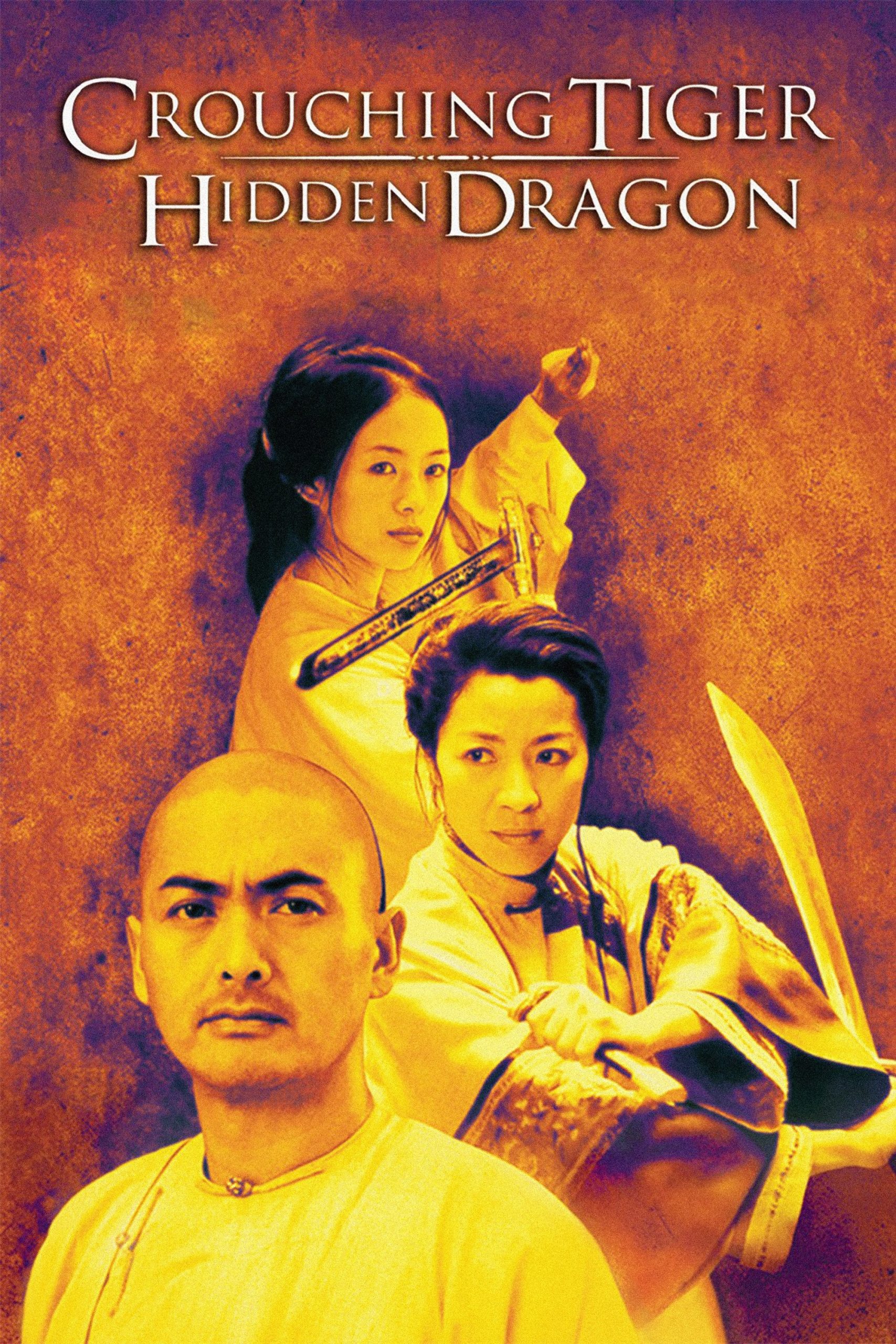
When I first sat down to watch “Crouching Tiger, Hidden Dragon,” it honestly felt like opening a door into another world—one that welcomed me in rather than intimidating me. As someone who was still learning to appreciate classic films, I didn’t know what to expect from a martial arts movie in a language I hadn’t studied. But I quickly realized that this film doesn’t demand special background knowledge or expertise to appreciate. The sweeping visuals, heartfelt performances, and stirring musical score make it incredibly inviting, even if it’s the very first classic you try. What really surprised me is how emotionally clear and immediate so much of the film feels, whether it’s the longing between characters or the breathtaking excitement of their stunts. I never felt left out or confused by references; I was simply captivated. The film’s story, though set in a distant time and place, is driven by universal feelings—love, regret, curiosity, and the quest for freedom. There’s something about the way the action unfolds, both grounded and magical at the same time, that made even the most unfamiliar elements feel welcoming. This isn’t a film where you need to decode obscure references or memorize a whole filmography before diving in. It grabbed my attention and kept me enthralled, not only because of its visuals, but because it spoke directly to the heart—a quality that I believe makes it an ideal gateway for newcomers to classic cinema.
What to Know Before Watching
- Though it’s considered a classic now, this film draws on a Chinese storytelling style called “wuxia,” which features martial arts heroes, graceful combat, and a touch of the otherworldly. If you’ve never seen characters leap across rooftops or dance through the treetops, it might feel a little magical at first, but I found that just letting myself enjoy the spectacle was the best approach.
- The pacing strikes a unique balance between action and quieter moments of emotion. Unlike the full-throttle blockbusters I was used to, it sometimes lingers on a conversation, a look, or the beauty of a landscape—something that might feel slow at first. I eventually realized this is intentional and rewarding if you give it a chance to settle.
- If you’re mainly familiar with English-language movies, the use of Mandarin and subtitles could seem daunting. I was uncertain at first, worried I might miss something important, but after a few moments I just relaxed and let the story carry me. In fact, I now feel that hearing the original language added a richness I wouldn’t trade for anything.
- The film also blends genres in ways that might surprise newcomers. While it’s known for martial arts action, I didn’t expect the deep romantic storylines and themes of honor, identity, and rebellion. At times, it feels almost more like a poem or a dream than a straightforward action movie.
- Some of the fights aren’t meant to look “realistic” by Hollywood standards. The gravity-defying combat is part of a tradition that values beauty and symbolism as much as raw spectacle. Understanding this helped me enjoy those scenes rather than question their logic.
Key Things to Pay Attention To
If you’re just starting your journey into classic cinema with this film, I’d encourage you to really watch the relationships unfold—not just between the main couples, but also shifting dynamics of mentor and student, or friend and rival. I noticed that a lot sits beneath the surface for these characters: unspoken desires, regrets, and hopes. The glances and understated gestures often say as much as entire conversations. Early on, I realized that if I focused only on the big moments or action, I’d miss those softer, more delicate emotional beats that give the story its power.
I also find it rewarding to pay attention to the role of setting. From moonlit bamboo forests to bustling towns, the environments aren’t simply backdrops—they set the emotional tone and help tell the story, often reflecting the characters’ inner lives. During my first viewing, I was amazed by how much mood is communicated just through color, light, and landscape.
Another thing I tuned into was the way music shapes the film’s emotions. Rather than bombarding you with noise, the soundtrack (by Tan Dun, with haunting cello by Yo-Yo Ma) weaves around the action and draws out the longing and excitement in the story. On a beginner level, I found it gave me emotional cues even if I was unsure about some cultural details.
The action itself is something I’d recommend watching with a sense of openness rather than skepticism. By not treating these scenes as tests of realism but as expressions of character—pride, restraint, yearning, or self-discovery—I came away empathizing with the characters more deeply.
Above all, I’d urge newcomers to let the film’s story and its moments of quiet drama breathe. Classic films sometimes ask for a little more patience and trust, but the reward (at least for me) was a world that felt richer and more resonant the longer I spent with it.
Common Misunderstandings for First-Time Viewers
- Misunderstanding 1 – “The fight scenes are just for spectacle.”
Clarification: At first, I saw the breathtaking combat sequences as pure action, something to marvel at technically—yet, over time, I realized each fight actually reveals something about the characters’ personalities, beliefs, or internal conflicts. These scenes are often just as emotional or thoughtful as the dialogue. - Misunderstanding 2 – “The story is confusing because of the unfamiliar setting.”
Clarification: I used to think I would need tons of background knowledge about ancient China to understand what was happening. But actually, the film’s storytelling is very direct—grounded in motivations like love, regret, and rivalry that don’t require any special expertise to grasp. I found that it’s okay if some details or references go over your head; the emotional stakes remain clear. - Misunderstanding 3 – “Subtitles make it harder to connect.”
Clarification: At first, I worried I’d miss out on nuance or find myself too distracted by reading. But I learned that the clarity of the acting—combined with thoughtfully translated subtitles—makes it just as easy to follow as an English-language film. After a while, I stopped noticing the difference entirely, letting myself be swept up in the performances and visuals.
Is This a Good Starting Point for Classic Cinema?
I absolutely believe this film is a wonderful entryway into classic cinema for newcomers. When I reflect on my early days of exploring classic films, “Crouching Tiger, Hidden Dragon” stands out as one of those rare works that instantly made me realize just how vibrant and emotionally inviting older films can be. Despite its age, the film feels fresh, propelled by themes and visuals that still resonate today. I’ve always felt that a good introduction to film’s rich history should be both accessible and memorably moving—two things this movie does effortlessly.
What makes it such a strong choice in my experience is how it bridges worlds: it introduces viewers to classic filmmaking techniques, international storytelling traditions, and larger-than-life action, but it never loses sight of empathy and universal emotion. I remember thinking, “If this is what classic cinema can feel like, I want more.”
For anyone feeling unsure about classic or foreign-language films, this is the kind of movie that sweeps those fears away. It lets you step into history while still feeling entirely welcome as a newcomer. The film’s beauty, sincerity, and timelessness make it, in my view, a perfect launchpad for a lifelong appreciation of great cinema. If you let yourself get swept along with it, you might find, as I did, that your curiosity about other classics grows stronger with every scene.
If you’re wondering how this film compares to others that have stood the test of time, these may help.
🎬 Check out today's best-selling movies on Amazon!
View Deals on Amazon