
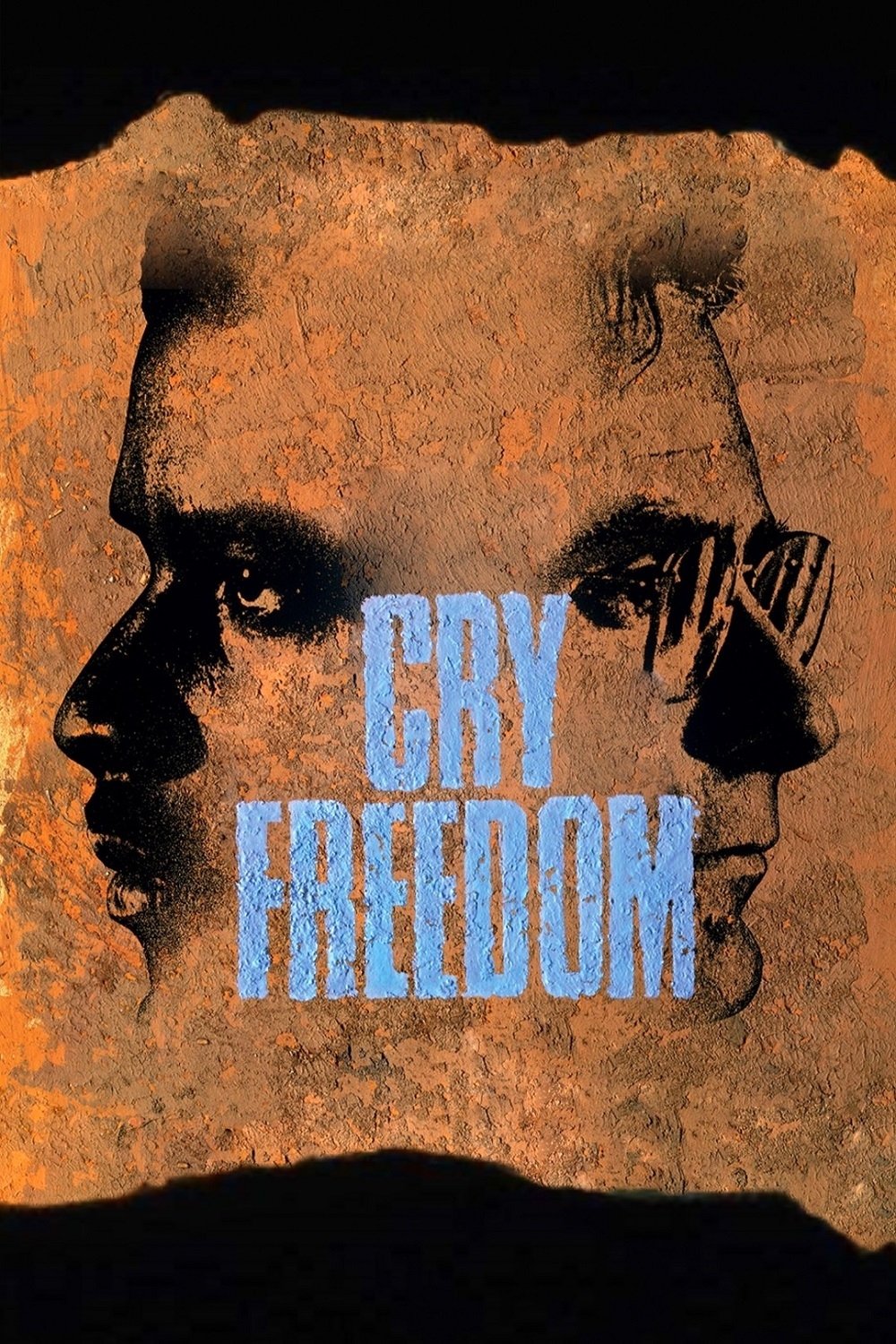
The First-Time Viewing Experience
I still remember the first time I sat down with “Cry Freedom,” not entirely sure what kind of journey I was signing up for. As the opening credits faded and the world of late-1970s South Africa began to take shape, I felt something akin to nervous anticipation — the kind that stirs when a story promises to challenge my perspective. What struck me most, right from those first scenes, was the rawness of the atmosphere: I could almost feel the tension humming beneath the surface, the immediacy of real, lived stakes behind every glance and word. It wasn’t simply that the film was about injustice; it was that from the very start it refuses to let me be a distant observer. I felt swept into the lives onscreen, forced to grapple with my own understanding of freedom, safety, and justice. There’s a certain intensity to “Cry Freedom” that can make anyone, especially someone unaccustomed to powerful political dramas, sit up a bit straighter. The emotional power isn’t gently introduced — it arrives with force, daring me not to look away.
As I continued watching, I realized something wonderful: every new viewer, including myself, is treated as both a witness and a participant. There’s no invisible wall separating the viewer from the anguish, hope, or courage displayed throughout the film. That first experience, in my view, is less about deciphering every historical detail and more about reckoning with the emotional truths that permeate each frame. I found myself shifting uncomfortably as characters confronted impossible choices. I got goosebumps from whispered conversations, felt a heaviness settle in my chest during moments of terror or loss. It’s not the sort of classic that keeps viewers at arm’s length with ornate dialogue or distant themes; instead, “Cry Freedom” seemed to demand that my heart stayed engaged. Even as a newcomer, I was encouraged to feel my way through the film in real time — not always something that happens with movies from past decades.
All these details and emotions formed a tapestry that I realized would feel new, no matter when or how someone viewed it for the first time. Each scene seemed to invite my questions, my outrage, my compassion. I wasn’t prepared for how forcefully it would linger long after the credits rolled. That’s what, for me, set the experience apart: the way it insists that every viewer, especially first-timers, becomes an active part of its history and legacy, rather than simply an onlooker with no stake in what unfolds on screen.
Emotional Moments That Resonate
Certain films possess a rhythm that pulses beneath their stories, and for me, “Cry Freedom” is powered by such a heartbeat. The moments that stuck with me weren’t always the loudest or most dramatic; often, they were the quietest—a hesitant glance exchanged in a crowded room, the fatigue on a character’s face, the subtle shifts in tone when fear shadows hope. I was particularly struck by the first conversation between Steve Biko and Donald Woods, carried by both curiosity and mutual challenge. As Biko began to articulate his convictions, I realized how rare it is to watch someone address unconcealed pain and hope in the same breath. Even for someone unfamiliar with South African history, the dignity within Biko’s voice cuts through any sense of distance. I remember being caught off-guard by how much was communicated through body language, by how the hesitation or resolve of a character could say more than any dialogue.
There’s one scene I revisit often in memory: the exploration of Black township life, where everyday existence hums with resilience and unease. I felt both admiration and profound sadness, watching children play as adults exchanged wary greetings, knowing so much could change in an instant. For me, the emotional connection didn’t just stem from the depiction of violence or oppression, though those moments are certainly impactful. It was the insistence on showing the full range of human experience — joy, laughter, stubborn endurance — that gave the pain its full shape. When the film lingers on the faces of ordinary people, or spends a moment bearing witness to a mother’s grief or the bravado of youth, I find myself reminded that real freedom must mean more than just political change; it must also honor the small, daily acts of defiance and love that make life endurable.
If I’m being honest, some of the most resonant moments were bittersweet. There’s a scene later in the film when Woods, the journalist, is faced with a devastating choice. I felt my own heart race and hands grow cold with anxiety. His fears mirrored my own — not just for himself, but for his family, for the people who had trusted him, for the fragile hope that things could change without more heartbreak. Biko’s fate is never far from the audience’s mind, and as it unfolds, I experienced a mixture of despair and gratitude that someone, somewhere, chose to stand up even when the cost was devastating. These moments didn’t just evoke empathy from me. They made me want to listen more, to learn, to question the comforts I take for granted. I think that’s what keeps many first-time viewers anchored: the recognition that the story, though set in the past, is a call to responsibility even now.
How to Appreciate This Film Without Prior Knowledge
If anything, I believe “Cry Freedom” is crafted for those who walk in with open eyes but perhaps little background. The film doesn’t punish ignorance—instead, it appeals to curiosity and humanity. I remember being initially anxious I’d “miss something” because I lacked expertise in South African politics of the 1970s. But within just a few scenes, I realized I was being offered an emotional guide, not an academic lecture. The strength of the film lies in the way it gently but insistently shows that the reality of systemic injustice is universally recognizable, even if the details are specific. Every time I wondered about a reference or a moment, I found that emotion—fear, hope, outrage—carried me through, offering understanding even when the details were unfamiliar.
I found there was a freedom, too, in not feeling like I was “supposed” to know every historical nuance or recognize every name. What mattered most was how the film made me feel: when a character’s safety was threatened, my pulse quickened; when hope seemed to return, I softened too. I could sense that the film wasn’t about passing a test on apartheid policies, but rather about confronting what justice means and why so many are willing to risk everything for it. Every time I found myself questioning what was at stake, I leaned into the experience, trusting that my own confusion or discomfort was part of what the film hoped I’d bring. The beauty of this approach is that it welcomes questions as much as answers; at no point did I feel like an outsider, no matter how unfamiliar the setting.
Part of “Cry Freedom’s” power, in my experience, is its universality. Anyone who’s ever known fear, hope, or anger can connect with its message. I believe the film’s approach is both accessible and bracing. I never felt that my lack of background kept me from feeling for Biko, or hoping alongside Woods, or mourning when loss became inevitable. I simply let myself respond to the events onscreen and, in that process, understood as much as I needed. So for any first-time viewer worried about not “getting it,” I’d say: trust the film, and trust your heart to guide you. The story will meet you more than halfway.
Who This Film Is Best Suited For
- Viewers who gravitate toward stories about courage, activism, and the price of speaking truth
- Those who are new to watching social-justice dramas and want a film that is both emotionally accessible and deeply impactful
- People who appreciate character-driven narratives where relationships evolve and challenge both the characters and the audience
A Beginner’s Final Recommendation
I’ve often found that the first encounter with a film as direct and emotionally charged as “Cry Freedom” can leave me feeling exposed in the best way possible. I walked away with more questions than I started, but rather than feeling overwhelmed, I felt awakened — not simply saddened by injustice, but galvanized by the courage that truth-telling demands. My advice to beginners is simple: allow yourself to feel everything the story evokes, and don’t rush to resolve your reactions or tie everything into a tidy lesson. The film’s real gift is the space it leaves for personal contemplation, urging each of us to consider not just what happened in history, but how that history reverberates in the present.
I want to encourage anyone starting their journey through classic cinema with this film to embrace its emotional honesty. You don’t need to prepare or read up before you begin; let the characters pull you into their world and trust that the significance of each moment will unfold in its own time. I found that watching “Cry Freedom” was as much about understanding my own responses as it was about absorbing facts or following a plot. The film asks you to reflect—not just on its story, but also on your principles, your reactions, your capacity to feel anger and hope at injustice and resilience alike. For me, that’s what sets it apart: it rewards engagement, not expertise.
If you ever feel lost during the journey, remember that confusion, sadness, and inspiration are all welcome here. I discovered that my empathy and openness were the only things required — more valuable than any prior knowledge or historical trivia. With repeated viewings, I noticed new details, fresh emotional currents, but the first time was the most vital because every reaction was unfiltered, honest, and mine alone. “Cry Freedom” is the kind of film that, even today, feels like an invitation to bear witness — not only to history, but to the potential for change that lies inside every viewer. I’d recommend this movie to anyone who wants not just to watch, but to feel, to question, and to remember.
To understand whether timeless appeal still resonates today, modern reassessments are worth exploring.
🎬 Check out today's best-selling movies on Amazon!
View Deals on Amazon