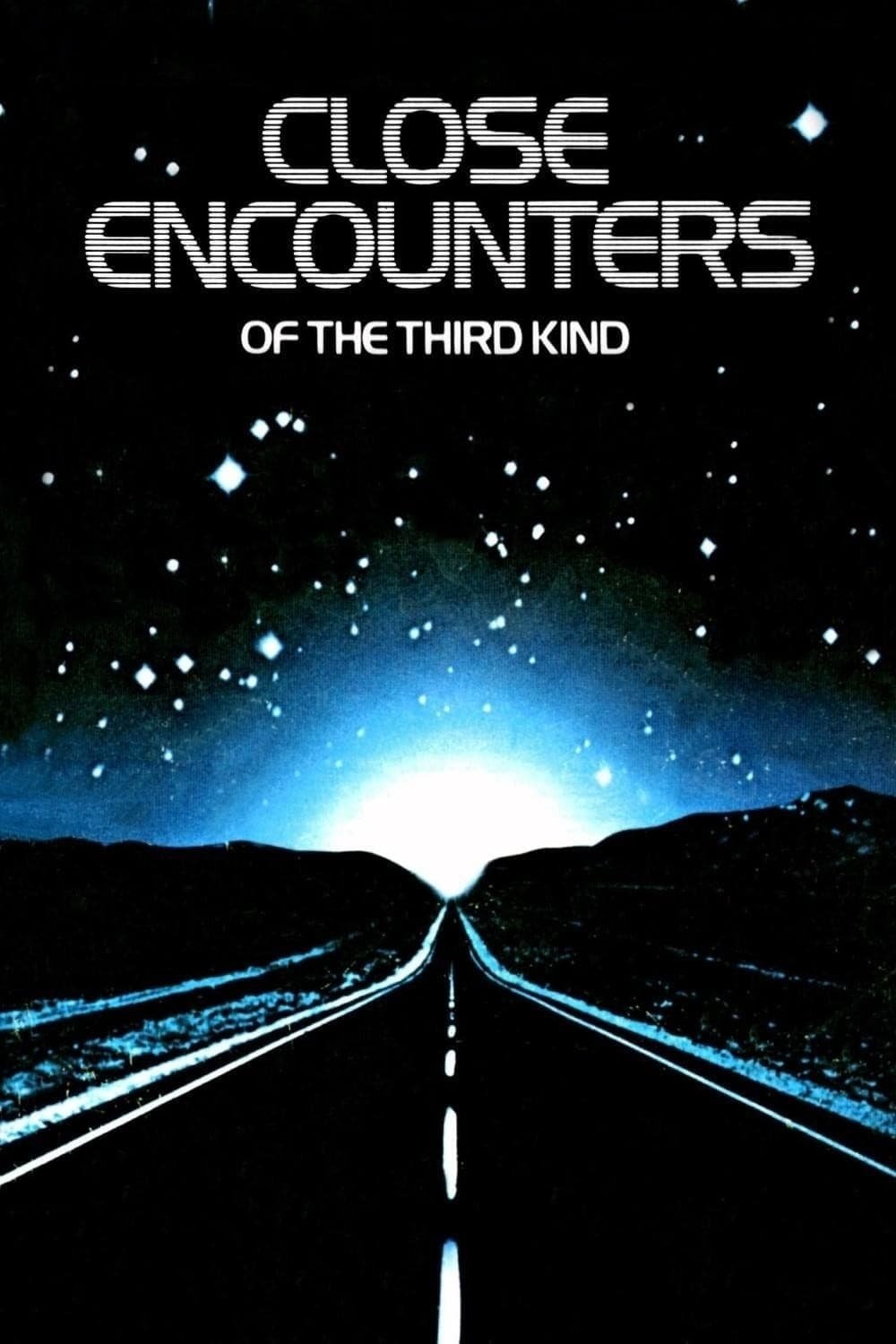
Why This Film Is Beginner-Friendly
What really drew me into watching “Close Encounters of the Third Kind” for the first time wasn’t just its reputation—it was how approachable it felt right from the opening frame. I remember being worried that the film’s age would make it hard to relate to, or that I’d get bogged down in dated references and clunky storytelling. But my experience ended up being completely the opposite. For me, what makes this film a fantastic gateway into classic cinema is its warmth and wonder. The emotional core is easy to latch onto, especially if you’re new to the genre or the era. There’s a clear sense of curiosity, awe, and even confusion that feels just as fresh today as it probably did in the late 1970s.
The story didn’t require any specialized film knowledge, nor did I feel like I needed to have a history lesson before pressing play. I could simply drop into the shoes of the characters and share their sense of discovery. The themes—connection, the unknown, the desire to understand what lies beyond—spoke to me on a basic, human level. With its focus on family, ordinary people, and big emotions, the movie felt like it was holding my hand, guiding me gently into the world of old-school sci-fi and adventure, rather than throwing me into the deep end.
I also appreciated how visually inviting it felt. Even as a beginner, I could sense that Steven Spielberg wanted me to be right there with the characters, marveling at the strange lights and sounds. The special effects never felt so flashy that they distracted from the heart of the story. Instead, they amplified the feelings of mystery and anticipation. I never once thought, “I’m out of my depth.” If anything, I finished the film feeling even more excited to explore other classics, because I saw firsthand how accessible and enjoyable an older movie could be when you find the right entry point. That’s exactly why I’d suggest this film to anyone just starting their classic movie journey—it welcomes you in.
What to Know Before Watching
- When I first sat down with “Close Encounters of the Third Kind,” one of the things I had to adjust to was the film’s pacing. There’s a deliberate, almost quiet build-up, with long stretches where not much is explained right away. It’s different from a lot of today’s movies, where action or exposition comes fast. These moments gave me space to breathe and really settle into the atmosphere, but I did have to remind myself that it’s okay to sit with the mystery for a while. Spielberg was inviting me to wonder, not just react.
- The movie’s landscapes are washed with natural light, bright lens flares, and some sequences feature visual effects that look a little retro by modern standards. I had to remind myself that the effects were created nearly fifty years ago, and that their charm lies in how inventive they are for their time, rather than in how “realistic” they appear by today’s high-definition comparison.
- I was surprised by the way the film blended the everyday with the extraordinary almost seamlessly. The setting—a regular American home, a dusty road, a quiet night—felt relatable. When strange things began to happen, I felt those moments more intensely because of their grounded context. The aliens themselves are barely shown until the end, which built a much deeper sense of suspense and anticipation in me than movies that reveal everything up front.
- Another noticeable detail was how characters often communicate without saying much at all. There are long passages where it’s the music, looks, and gestures that do the storytelling, not lengthy conversations or explanations. For me, this was very rewarding, but it required a slight adjustment in how I watched the film. I had to tune in a little more closely to faces, tones, and visuals, not just words.
- The film’s famous musical motif—the five notes that the characters use to communicate with the unknown—has become a kind of pop culture shorthand, even for people who have never seen the whole movie. I only recognized it halfway through, suddenly realizing why it felt so familiar to me!
Key Things to Pay Attention To
What really resonated with me as a new viewer was the way the film asks me to pay attention to the small, everyday moments. The lead character, Roy, isn’t an action hero. He’s confused, scared, and emotionally overwhelmed—things that felt instantly relatable. Watching him react to the inexplicable events around him truly drew me in. I found myself focusing on his relationships, his attempts to explain the unexplainable, and the emotional toll it takes on him and his family. There’s something universal about feeling misunderstood, about chasing answers when no one else believes you.
The emotions throughout the story are presented with such openness. Each time Roy looks up at the mysterious lights or tries to communicate with others about what he’s seen, I caught myself mirroring his awe and frustration. This emotional transparency is what makes the film’s moments of wonder and fear feel so genuine. I’d suggest really paying attention to facial expressions and quiet pauses—the silence says just as much as the dialogue. For me, those unspoken moments are where the movie’s heart lies.
Visually, I noticed how Spielberg uses the contrast between the mundane and the supernatural to powerful effect. Kitchens and living rooms glow with strange colors, landscapes become backdrops for dazzling spectacles of light. When the supernatural intrudes on the ordinary, it’s not always loud—it’s often subtle at first. Paying close attention to how things change, what shifts from normal to otherworldly, helped me spot the cues that build suspense and excitement.
And I can’t forget the music. As someone who’s just getting into classics, I was surprised by how central the musical theme was, not just as background, but as part of the story itself. It became a sort of emotional language. The score by John Williams guides feeling as much as the images, gently nudging my reactions and shaping what I felt during the film’s biggest moments. I’d tell any beginner to let the music wash over you—let it steer your emotions.
If you pay attention to the sincerity in the characters and the gentle, escalating build of mystery, you’ll find yourself wrapped up in the experience. “Close Encounters of the Third Kind” gave me a toolkit for watching other classic movies: look for emotion, listen for what isn’t said, and be patient as stories reveal themselves at their own pace.
Common Misunderstandings for First-Time Viewers
- Thinking the movie is about action or fear – For a long time, I thought any alien movie from past decades would be packed with scares or big action scenes. It surprised me to realize this story is much more about curiosity and communication, not fighting or running from danger. The tension comes from mystery, not from horror.
- Expecting fast-paced plot twists – I initially assumed something would “happen” every five minutes since that’s what I was used to in more recent movies. Instead, I found that the film is content to let scenes breathe and develop slowly. That’s by design—it’s about discovery and wonder, not constant thrills.
- Assuming the special effects feel outdated in a negative way – Before watching, I thought I’d have to make excuses for visual effects from the 1970s. But once I got into it, I realized the practical, inventive designs actually add personality. The effects serve the story and add to the feeling of the unknown, rather than pulling you out of the experience.
Is This a Good Starting Point for Classic Cinema?
If you’re on the fence about diving into older movies, I genuinely believe “Close Encounters of the Third Kind” is the perfect bridge between modern pacing and classic storytelling. My own introduction to classic films could have gone either way—too confusing and slow, or surprisingly inviting and memorable. In this film, I found a gentle learning curve. I never felt lost or left behind, and I came away feeling inspired to seek out more from this era.
It turns out, many of the so-called “classic” hallmarks—deeper emotion, inventive visuals, iconic music—aren’t just for movie buffs. They’re there to draw in regular people, just like me. This film gave me a confidence boost for trying other movies from the ’70s or earlier. The story’s sense of awe is so contagious, it will likely make you curious about what came before and after in film history. You don’t need background knowledge; if anything, watching this with fresh eyes can make the experience all the more magical.
So if you’re looking for a starting point that’s warm, mysterious, heartfelt, and beautifully crafted without demanding a film school degree, I honestly can’t recommend a better pick. It holds your hand, guides you through the unfamiliar, and leaves you with a sense of wonder that just might ignite a lifelong love of classic cinema. And if you enjoy this journey, it opens the door wide to other beloved treasures waiting in the vaults of film history.
If you’re wondering how this film compares to others that have stood the test of time, these may help.
🎬 Check out today's best-selling movies on Amazon!
View Deals on Amazon