
The First-Time Viewing Experience
When I first pressed play on “City of God,” I wasn’t sure what to expect. I’d always heard of its reputation, the accolades, the critical declarations that this was a masterpiece, but my own lived experience didn’t prepare me for the lightning-bolt immediacy of its opening scenes. From the first frenetic moments, I felt swept into a world that was both unfamiliar and universal, teeming with energy and lives in constant motion. I reacted not so much like a passive observer, but like someone being handed a window into another existence—one that seemed both uncomfortably close and radically different from my own. My eyes widened as the film’s color palette burst onto the screen, the camera chasing the action with urgency. I remember the visceral feeling of my heart racing, the kind of knotted anticipation that reminded me, “I’m in for something I do not want to look away from, but I’m not sure I’ll be able to look directly at.”
There’s a strange, almost paradoxical sense of wonder and dread that coats that first viewing. It isn’t just the violence or the sweltering heat that’s so palpable, but the rhythms of life the film captures. I kept thinking about how it felt both like myth and raw reportage, like an overheard legend and a jolt of unflinching reality. Watching “City of God” for the first time isn’t a leisurely stroll through cinematic history; for me, it was an immersion experience. I could practically feel the dirt beneath the children’s feet, the chaos in the winding alleys, the pulse of samba and the beating of young hearts hoping for a future they’re not sure they’ll see. I found myself viscerally present, not as a detached viewer armed with film school analysis, but as a human being grappling with stories that seared into memory before I could process them fully.
The first watching is all sensation: I was caught between wanting to cover my eyes and being unable to look away, grappling with the vibrancy and terror, the hope and the heartbreak, as each moment sped past. By the time the credits rolled, I felt like the film had left fingerprints on my soul, and even in the silence afterward, the echoes of its world reverberated inside me. I wasn’t prepared for how thoroughly my assumptions would be upended—not just about the characters or the setting, but about how a film could translate a whole universe onto the screen and invite me, trembling, to bear witness.
Emotional Moments That Resonate
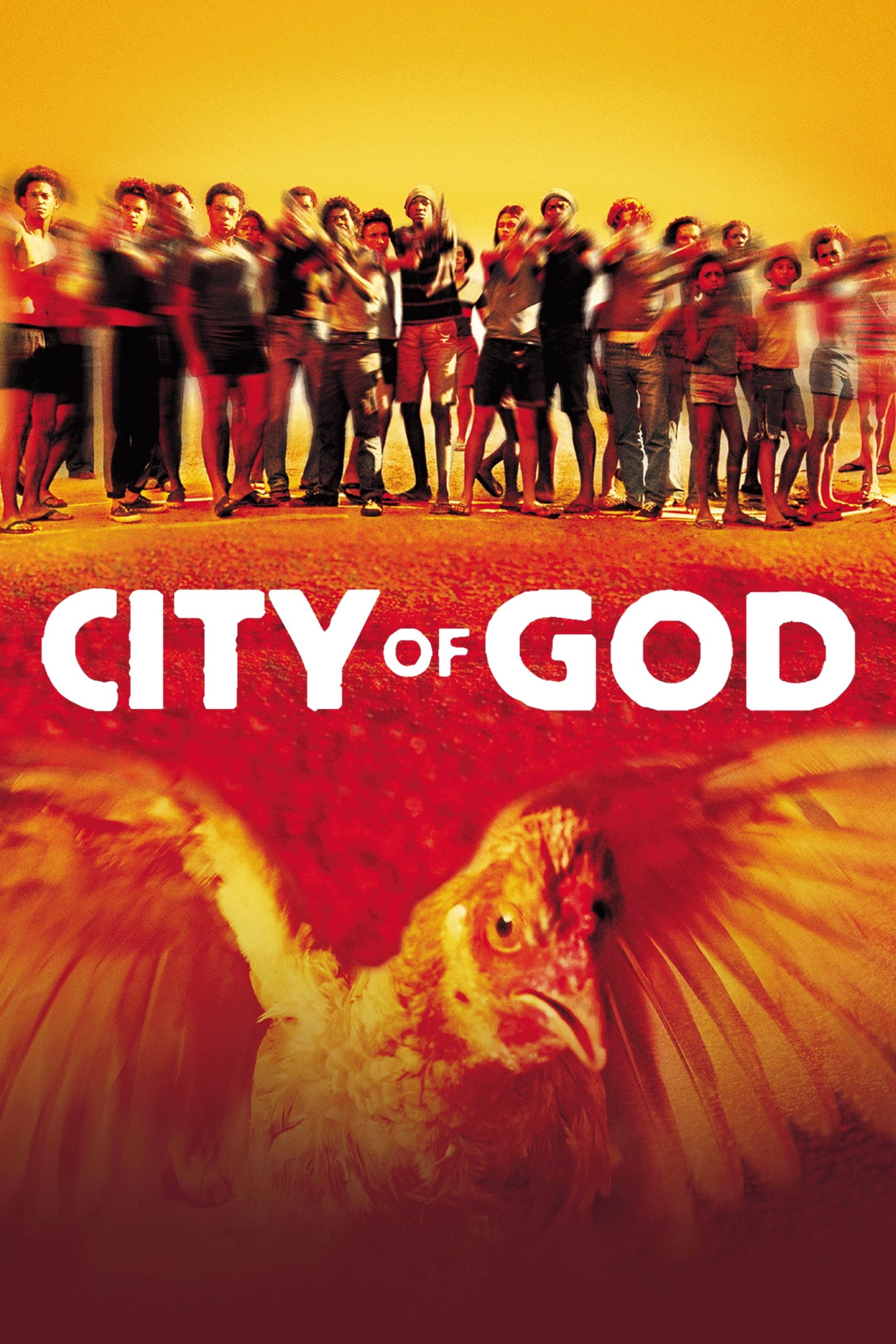
As I think back, the emotional journey of “City of God” is what’s imprinted itself most deeply in my experience. I can’t shake the first scene that truly made me ache: the frantic chase with the chicken, which might seem almost comic but quickly turns profound. In that moment, the fate of that desperate, cornered animal became symbolic to me—the innocence of youth, running for its life amid entrapment, observed with both detachment and a strange tenderness. I remember how that initial tension lingered, ratcheting up the stakes for every moment that followed.
What moved me even more was the film’s ability to locate piercing humanity inside the cycles of violence. I recall the childhood group—Rocket, Benny, Li’l Dice—and how I ached watching their journey from innocence to loss. The scene that haunts me most involves one of the youngest characters, so small and vulnerable, thrust into a situation where choices are stripped away before they’ve even had the chance to grow. I was struck by the way power is wielded and abused, how it’s passed from hand to hand like a volatile currency, always threatening to erupt. The depiction of children forced into terrible decisions is something I found devastating. Their laughter and bravado ring out, and yet, underneath, there’s the constant reminder that childhood here is always fleeting, always tinged with danger.
The film’s unflinching honesty meant the moments of hope and connection—however brief—stood out with piercing clarity. There is a scene of celebration, a dance, light spilling over faces filled with aspiration and love. I felt that juxtaposition so keenly: joy against the backdrop of threat. It left me thinking about how joy can spring up like weeds through sidewalk cracks—unexpected and persistent, even where there seems to be no room for it. Moments of friendship, barely possible romantic longing, and impossible dreams take on an emotional charge all their own because of what surrounds them.
For me, the most profound realization that hit during that first watch was the complexity woven into every character. Even as I recoiled from acts of cruelty, I found myself searching for shreds of vulnerability. “City of God” refused to let me sink into comfortable judgment. I kept longing for redemption for characters who seemed so far past the point of return, and felt heartbreak pulse through every shot that reminded me how often that redemption is denied. By the conclusion, more than any single moment, there lingered a kaleidoscope of feelings—anger at the injustice, awe at the resilience, gratitude for the privilege of being allowed in, if only for two hours, to witness this panorama of humanity and hardship.
How to Appreciate This Film Without Prior Knowledge
Initially, I worried that my own lack of context—about Brazilian history, about the dynamics of favelas, about Rio in the late twentieth century—would leave me lost or unable to appreciate the depth on screen. But as I sat transfixed, I discovered something quite the opposite: the film almost seemed to anticipate my hesitations and sweep them aside. “City of God” tells its story through such compelling characters and such intuitive visual language that my lack of background knowledge didn’t feel like an impediment. In fact, it sometimes made the experience more immediate and raw for me.
I think what mattered far more than any facts or context was my willingness to let the film’s rhythms wash over me. I realized that being unfamiliar with the setting didn’t mean I couldn’t understand what was happening. The emotions—fear, hope, desperation, longing—are so expertly depicted that I found myself relating on a deeply human level. When the camera lingers on Rocket’s expressive face or races to follow Li’l Zé’s spiral, I didn’t need subtitles for suffering or resilience. The film communicates its urgency visually, musically, through performances so alive that language—while important—becomes secondary to experience.
What helped me most was letting go of the pressure to “get” every cultural or historical nuance. Instead, I let myself be guided by curiosity. When I encountered something unfamiliar (a particular slang, a neighborhood ritual, a fleeting bit of Brazilian history woven into the background), I didn’t see it as a barrier but as an invitation. I found myself jotting down notes or pausing to search up something later, but never at the expense of immersion. The intensity of the storytelling demanded nothing more from me than attention and empathy. Even when certain references or themes felt just outside my grasp, the core of the film’s message—about justice, destiny, and the lives lived within impossible systems—spoke with clarity that needed no translation.
For anyone sitting down to this film for the first time, I would share the reassurance that you don’t need an advanced degree in film or world history to be shaken and moved. If anything, “City of God” is a living argument for how stories can leap across boundaries. The invitation is not to decode, but to witness, and that is all you need to begin.
Who This Film Is Best Suited For
- Those with a passion for character-driven, cinematic storytelling—people who are drawn to emotional, human stories regardless of setting or language.
- Viewers open to films that challenge comfort zones—a willingness to be confronted, moved, or even shaken by the realities the movie presents.
- Individuals interested in perspectives outside their own—anyone who seeks a window into different cultures, worlds, and lived experiences through the art of film.
A Beginner’s Final Recommendation
If you’re considering making “City of God” your next classic, I can only urge you to trust your instincts and take the leap. My first watch left a mixture of awe and sorrow inside me, but above all, it deepened my appreciation for what cinema can accomplish. Don’t worry about being an expert or whether you’ll miss subtle references. I firmly believe this film is generous to first-timers—it welcomes your confusion, your pain, and your hope. The emotional impact doesn’t require a background in Brazilian culture, just honesty in your reactions. Be ready to sit with discomfort, to let yourself be affected, and I promise you’ll emerge understanding something new about the world—and maybe, in a small way, about yourself.
I found, as a novice, that all I really needed was the willingness to see, to absorb, and to let the film’s beauty and brutality in equal measure wash over me. For anyone in doubt, I’d say: the first watch of “City of God” isn’t an assignment, it’s an experience. It’s less about knowledge, and more about presence and openness. You don’t need permission from critics or cinephiles; the film’s artistry and humanity speak across all those divides. Allow yourself into its world for these two hours—let it challenge, move, and even overwhelm you. Afterwards, take time to reflect, talk, or read more if you wish. But first, just watch. In all its heartbreak and defiance, the film has something to offer anyone who meets it with open eyes.
To understand whether timeless appeal still resonates today, modern reassessments are worth exploring.
🎬 Check out today's best-selling movies on Amazon!
View Deals on Amazon