Why This Film Is Beginner-Friendly
I still remember the first time I watched “City Lights,” feeling both nervous and excited because I wasn’t sure if I could connect with something made so many decades before I was born. To my complete surprise, the warmth and humor jumped off the screen in ways I never expected. For me, what makes this film so accessible for first-time classic film viewers is just how universal its emotions and comedy are. I didn’t have to “study” the jokes or the emotions; they made sense on a gut level. So much of the story is told visually — through facial expressions, body language, and those big, honest eyes of Charlie Chaplin — that I never felt out of my depth, even without the rapid-fire dialogue and quick edits of modern movies.
There’s also something comforting about the film’s simplicity. I’m often overwhelmed by modern movies with huge casts and complex plots. Here, the story is direct, even gentle. I immediately rooted for Chaplin’s character, the Tramp, and found myself moved by his kindness and determination. At the same time, the film is full of visual gags that just work, even if you’ve never seen a silent comedy before. I think anyone starting out can sit down with “City Lights” and find themselves laughing and caring almost right away, without needing any special knowledge of film history.
What to Know Before Watching
- Silent film style: The biggest difference I noticed as a beginner was how little spoken dialogue there is — speech is shown in brief title cards, while music and sound effects fill the gaps. I found that after the first few minutes, my brain adjusted and I was following along just fine, but it did feel unusual at first.
- Gentle pacing: If you’re used to movies that jump from scene to scene, this might feel slower. I found myself relaxing into it, letting the little details and physical comedy have room to breathe. After a while, I realized it was actually really nice not to feel rushed.
- Emotional storytelling: “City Lights” leans hard on visual storytelling and exaggerated expressions instead of words. This was surprising for me, but I quickly discovered that it allows for a type of emotion and humor that feels big and real. If it feels different, that’s okay – just let yourself experience it.
- Black-and-white visuals: The lack of color isn’t as off-putting as I worried it might be. In fact, I found that it brought out the contrasts in mood, and I started to appreciate the play of light and shadow.
- Live, expressive music: The score, also composed by Chaplin himself, isn’t just background noise. I noticed how it acted as the film’s “voice,” guiding me through scenes and emotional shifts. I had fun picking out when the music was telling me how to feel — suspense, joy, heartbreak — and it totally worked.
- Cultural references: Some of the jokes and situations are anchored in the 1920s and 30s, like the rich versus poor divide, or particular habits of city life. Most of the emotional through-line is universal, though. I never felt lost because I didn’t know the specifics.
- No need for film history: I worried at first that I wouldn’t “get” the film without knowing lots about Chaplin or silent cinema. But my advice is to just bring your own curiosity; the film does the rest. You won’t need a film degree to enjoy it.
Key Things to Pay Attention To
Each time I revisit “City Lights,” I’m reminded that watching classic cinema can be a lot like learning a new language — but one that relies more on feelings than words. For me, the heart of the film is in the performances, especially Chaplin’s. I always try to watch his face and physical movements closely; he has a way of saying everything with just a slouch, a hopeful glance, or a playful shuffle of his feet. Paying attention to the silent communication between characters — the way a simple gesture reveals love or embarrassment — made me realize how much you can communicate without saying anything at all.
I also recommend noticing how the mood shifts between laughter and sadness. The film will have you laughing out loud one minute and getting choked up the next. The best way I found to enjoy it is to let those shifts happen naturally — don’t worry if you’re not sure whether to laugh or cry. That ambiguity is part of what draws me in so much; life itself is never just one thing at a time, and neither are Chaplin’s movies. Listen to the music as well; it cues you in to how each moment is meant to feel, whether playful, triumphant, or heartbreakingly sincere. Sometimes, just allowing yourself to be swept along by these rhythms makes the film much more enjoyable.
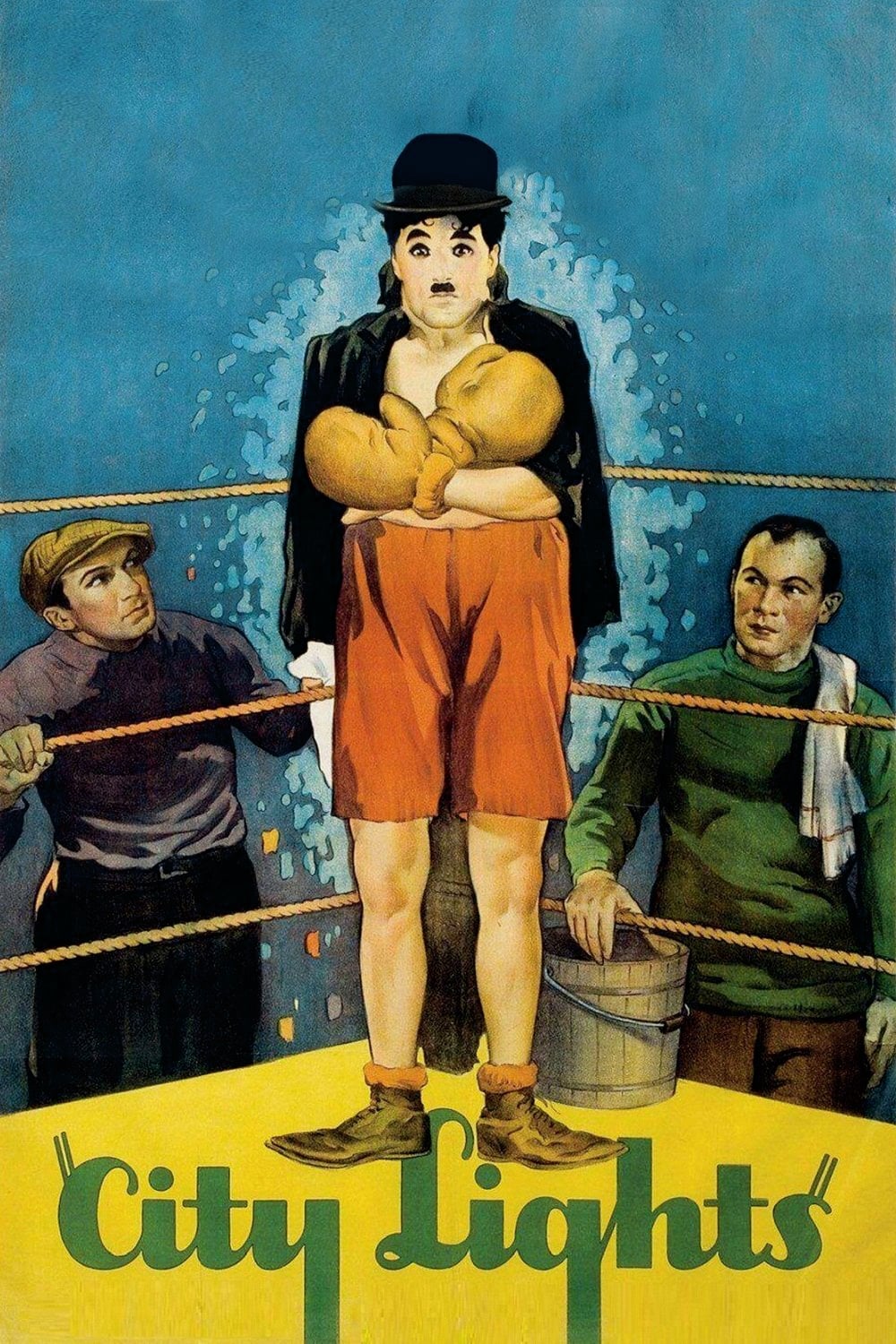
Finally, keep an eye out for the background details. The sets, costumes, and little touches — like the flower girl’s shop or the ridiculous boxing match — are full of personality. I love how even secondary characters are instantly memorable through their look and mannerisms. And above all, I’d say don’t be afraid of feeling silly for getting swept up in a movie from nearly a century ago. That was my fear at first, but it melted away quickly as I realized that “City Lights” is as much about real, honest human connection as anything made today.
Common Misunderstandings for First-Time Viewers
- The lack of dialogue means less story – I used to think that if I wasn’t hearing constant talking, the story must be thin. This film proved me wrong in a big way. The narrative is told through action, expressions, music, and those brief title cards, and I actually felt more invested because I was watching more closely than I usually do. The story is full and rich, even without lots of words.
- The comedy will feel outdated – I worried before pressing “play” that old-school slapstick wouldn’t make me laugh. Instead, I ended up giggling almost immediately. The choreography of some scenes is brilliant, and I realized that awkward mishaps and funny misunderstandings are always entertaining. The physical comedy doesn’t require a history lesson; embarrassment and mischief are still relatable.
- The ending is too sentimental for modern tastes – At first, I braced for what I assumed would be a “corny” resolution based on the film’s reputation. I’m so glad I was wrong. The last scenes are emotional, sure, but there’s a delicacy and ambiguity that I didn’t expect. If anything, I found the closing moments surprisingly modern in their openness and restraint. I felt moved without ever feeling manipulated.
Is This a Good Starting Point for Classic Cinema?
Whenever someone asks me where to begin with classic movies, I always find myself recommending “City Lights.” From my own experience jumping into classic films, it’s one of the few that truly bridged the gap between what I was used to and what was new. I didn’t need to have any background in film history or silent cinema; everything I needed to connect was right on the screen. The film’s emotional clarity and humor make it feel timeless, but it’s never intimidating. I found myself feeling empathy for the characters and laughing at their misadventures, all without feeling like I was doing homework or studying something old-fashioned.
What surprised me most on my first viewing was just how much joy and connection I felt. The film speaks a universal language, giving even a complete classic cinema novice plenty to hold onto. For anyone curious and maybe just a little hesitant, I’d say this is the perfect place to discover why these older films are still talked about and loved. Watching “City Lights” gave me the sense that classic cinema isn’t about being an expert, but about being open to new (and old) forms of storytelling. If you’re ready to let a movie meet you halfway, trusting it to show you simple, genuine feelings in a new format, you’ll find “City Lights” is one of the best places to start your journey.
If you’re wondering how this film compares to others that have stood the test of time, these may help.
🎬 Check out today's best-selling movies on Amazon!
View Deals on Amazon