Why This Film Is Beginner-Friendly
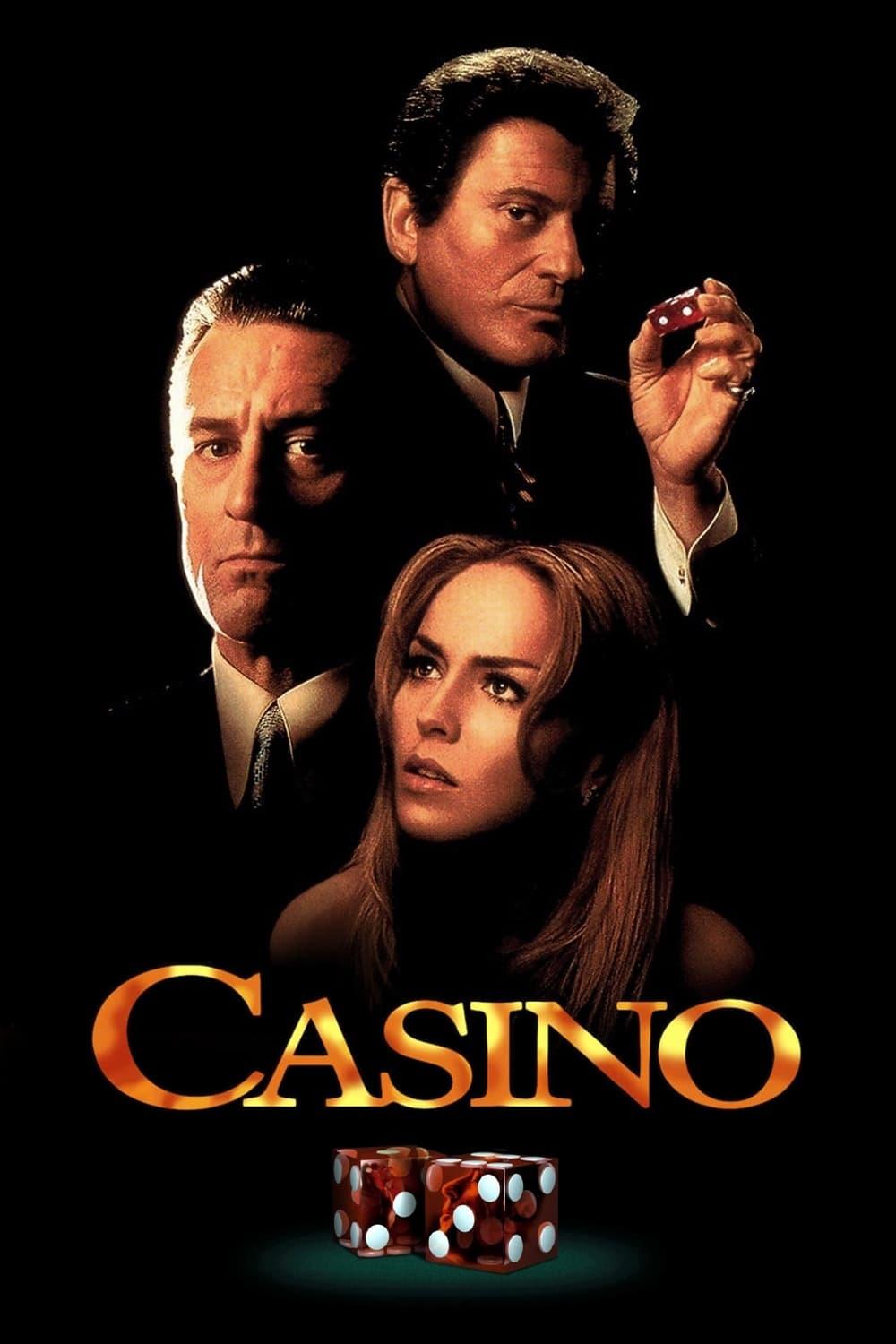
Whenever I think back to my first encounter with “Casino,” what stands out isn’t just the glittering lights and daring style, but how surprisingly approachable it was for someone not steeped in the history of “classic” movies. I know the term “classic” can sound intimidating, as if you’re signing up to be quizzed on every line or camera shot. But “Casino” is different. It’s the kind of film that draws you in even if you’ve never seen another classic crime drama in your life. I found the combination of engaging story, colorful characters, and slick visuals immediately inviting. The story doesn’t assume you understand casino operations or mafia lingo—everything unfolds in a way that walks you through it, step by step. I never felt lost even as Las Vegas’s world spun out bigger and wilder.
I was particularly struck by how modern “Casino” feels, despite having been released nearly three decades ago. I noticed that director Martin Scorsese poured so much energy into the visuals and soundtrack that, at times, I forgot I was watching a period piece. The pop songs, the smooth narration, and the stylish camera moves all felt accessible, almost as if I were watching a contemporary show about a turbulent workplace, just with higher stakes. This movie becomes an easy bridge for someone starting with classic cinema—it’s as if Scorsese designed it for people who like to be grabbed rather than eased into their seat. For me, the mixture of drama, humor, suspense, and larger-than-life personalities instantly piqued my curiosity and erased the apprehension I often feel starting “must-see” old movies.
What makes a movie beginner-friendly in my experience is whether it manages to be memorable and comprehensible on your very first watch. “Casino” ticks both boxes. I remember following every twist, absorbed by the direct narration—even when the plot got dense, the film’s rhythm never let me drift off. If you’re worried that “classic” might as well mean “out of touch,” I’d say “Casino” does the opposite: it invites you to step right into the whirlwind, catch your breath, and come away with stories to tell.
What to Know Before Watching
- Some of the movie’s storytelling techniques, like the voiceover narration and the use of freeze frames, might feel unusual if you mostly watch newer movies. I recall being surprised by how much time the characters spend talking directly to the audience, explaining what’s happening rather than letting us piece it together from action alone. I soon realized this was Scorsese’s way of making the chaos easy to digest and even more entertaining.
- The pace is a little unorthodox. “Casino” takes its time getting you comfortable in Las Vegas’s golden age before the real sparks start to fly. I wasn’t used to a movie spending this much time slowly building its world, but by the end, I was grateful for the groundwork. If you’re used to rapid-fire shifts and instant payoffs, you’ll notice a slower, more deliberate rhythm here—but that builds immersion in subtle ways.
- The depiction of violence and adult themes can catch you off guard. I remember thinking I’d seen intense movies before, but “Casino” doesn’t pull its punches when things go wrong for its characters. On my first watch, I was both stunned and fascinated by how honestly it presents the consequences of greed and ambition. It isn’t comic book violence; the movie makes sure you feel the weight of each moment.
- You’ll see a lot of fashion, music, and slang from the 1970s and 1980s. At first, I thought these details would push me away, but I soon found them immersive. Watching the costumes and hearing the period music helped me appreciate how thoroughly the movie transports you into another world—and I had fun picking out the details that define each era.
- The length can seem daunting. With a runtime of almost three hours, “Casino” is more of a commitment than a breezy evening flick. But I found that the movie’s energy and storytelling tricks make the time glide by, as long as you’re settled in with snacks and ready to enjoy the ride.
Key Things to Pay Attention To
I learned quickly that the secret to getting the most out of “Casino” isn’t to memorize every plot detail, but to immerse myself in the characters’ journeys. If I had to suggest just one thing to keep your eyes on, it’s the tug-of-war between the three main characters—Ace, Nicky, and Ginger. Watching their relationships expand and contract, oscillate between loyalty and betrayal, is the real heart of the film. I often found myself measuring their facial expressions and body language as much as anything they said aloud. Small glances, nervous gestures, or a momentary smile sometimes tell you more than a five-minute conversation ever could.
I also pay close attention to the way Las Vegas itself becomes a character. When Scorsese moves the camera through sweeping neon signs or crowded casino floors, I sense he’s showing how overwhelming, tempting, and ultimately dangerous this city is. To me, it’s worth noticing how the setting shifts with the mood—when things are going well, everything gleams; when disaster is near, the sheen disappears, and the lights feel harsh instead of welcoming. My experience of the city continually changed as I watched the characters struggle for control, and I recommend keeping an eye on how the locations and color palettes mirror that inner turbulence.
The narration guides you through the chaos, but what really grabbed me was how each narrator has their own perspective and bias. I see these voiceovers not just as explanations, but as windows into the ego, insecurity, or ambition of whoever is speaking. Whenever the narration switches—from Ace to Nicky, for example—I find myself asking how much of what I’m hearing is truth, and how much is just the story they want to tell. If you pay attention to who is explaining events, you start to see the divide between reality and self-justification, which is exactly where “Casino” gets its emotional punch.
And, above all, I pay attention to the changing tone of the music and editing. The soundtrack moves from upbeat to mournful in ways that signal how characters are feeling, often before they say a word. Scenes might be cut together quickly and explosively, or slowly and pensively, depending on whether we’re supposed to feel exhilarated or anxious. For me, following these shifts helps reveal the emotional truth behind the characters’ bold moves and whispered secrets.
Common Misunderstandings for First-Time Viewers
- Thinking the story is just about making or losing money – I remember initially believing that “Casino” was only concerned with gambling and business, but the deeper I watched, the more I realized it’s really an exploration of human flaws: obsession, power struggles, loyalty, and love gone wrong. The money is just a launching pad for those messier, more universal problems.
- Assuming the narration means you can passively watch – It’s tempting to let the voices spelling out what’s happening lull you into just listening rather than observing. My own experience taught me to treat narration as a clue, not a crutch; if you watch faces and backgrounds alongside the voiceover, you’ll see layers of meaning the words don’t mention.
- Believing all the violence and chaos is just for shock – When I first watched, part of me felt the brutality was over the top. But as the story built, I started to see each act of violence as a turning point for the characters. These moments aren’t just there to jolt you—they reflect how far the characters have wandered from their original intentions, and how ruthless the world they built has become. By the end, those scenes felt less gratuitous and more like emotional mile markers.
Is This a Good Starting Point for Classic Cinema?
In my journey into classic films, I knew I was looking for a movie that would challenge my expectations but not overwhelm me—something vibrant, dramatic, and not afraid to hold my hand when the story got complicated. “Casino” absolutely fits that bill. Even after several rewatches, I still find new details, revealing layers on top of what grabbed me the first time. For someone hesitant to venture into the “classics,” I think this film is a fantastic entry point. It has all the style and substance of a revered masterpiece but wears its complexity lightly, always inviting the audience just a little deeper rather than locking them out with heavy symbolism or dense dialogue.
What makes “Casino” stand out as a beginning step is that it sits at the intersection of old Hollywood confidence and modern flair. If, like me, you ever worried that watching a “classic” was going to mean sacrificing fun or energy for history, this movie dispels those doubts immediately. You get unforgettable characters, constant forward momentum, and a big, emotional payoff—all without needing a film studies background. My friends often ask where to start their journey through older films, and I keep “Casino” high on my list precisely because it offers a little bit of everything: drama, humor, visual spectacle, even romance gone wrong.
I think it’s okay—maybe even ideal—not to catch every reference or thematic nuance on your first time through. “Casino” rewards attention but never punishes curiosity. Each time I revisit it, I come away with new questions and surprises. That’s the magic of a truly great movie: it wants you in the room shouting, gasping, and rooting for someone, not sitting on the sidelines. If you’re eager to dip your toe into the world of celebrated films, there are few better options to make you feel right at home than this electrifying, endlessly watchable gem.
If you’re wondering how this film compares to others that have stood the test of time, these may help.
🎬 Check out today's best-selling movies on Amazon!
View Deals on Amazon