
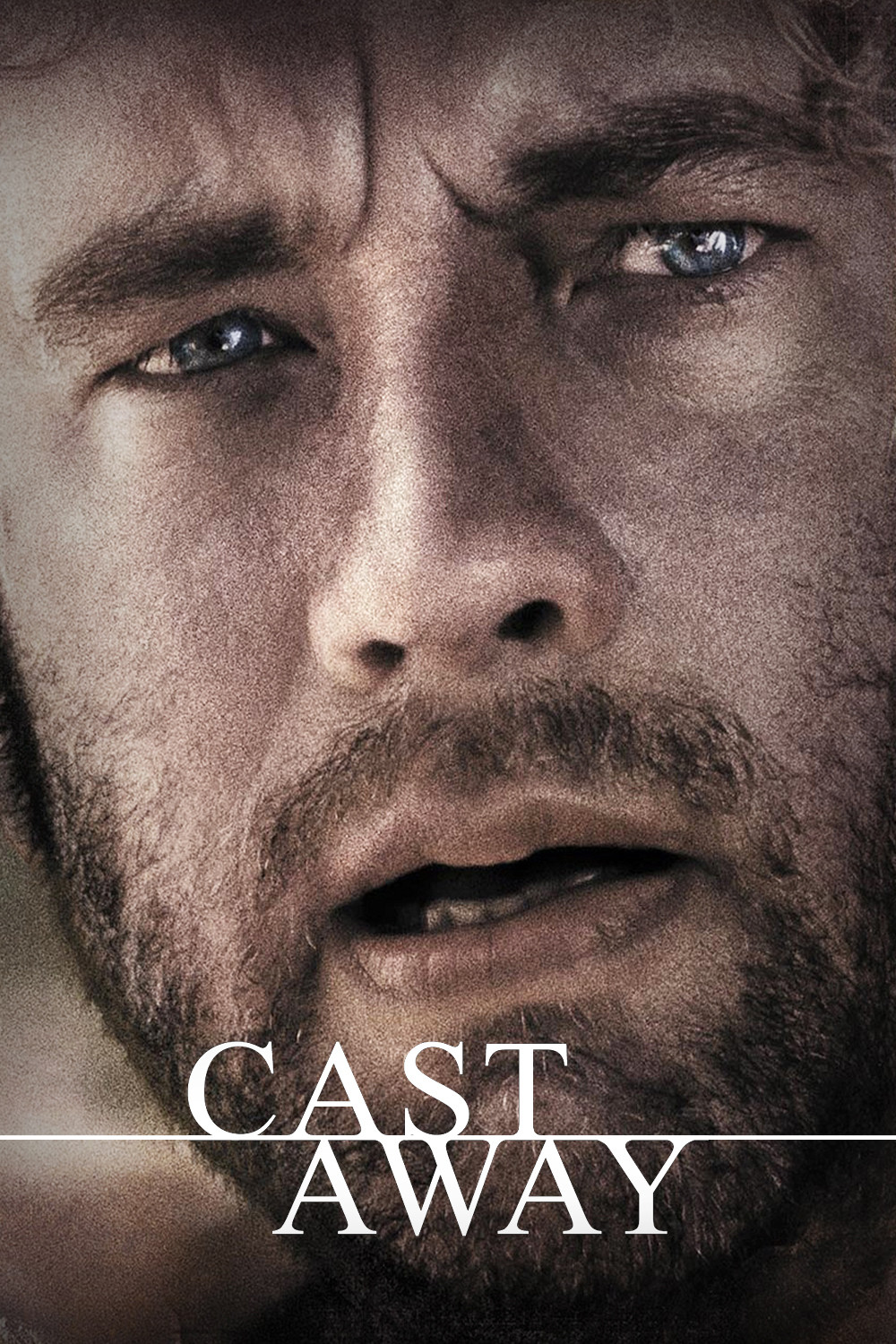
The First-Time Viewing Experience
When I first sat down to watch Cast Away, I remember this wave of uneasy anticipation settling in my chest. I’d heard the basics: a plane crash, a man stranded, but it hit me almost instantly that I wasn’t prepared for the lonely, quiet hush the opening scenes delivered. Seeing Tom Hanks’ character, Chuck Noland, I was struck by how the film draws you right into the rhythms and peculiarities of his life before disaster. There’s an immediate, almost tactile sense that you are about to witness something both ordinary and immense—but with the reassurance that I wasn’t expected to have any prior knowledge about what to expect, except for my willingness to let the movie unfold on its own terms.
Experiencing this story for the first time, I realized quickly that Cast Away isn’t just a survival movie, but a meditation on isolation, hope, and the strange alchemy of forging meaning out of nothing. The film’s deliberate pacing, which challenged my expectations for a mainstream Hollywood drama, required me to settle into moments of stillness—I could actually hear my own breathing. There was a rawness I hadn’t anticipated: long stretches with little dialogue, the camera lingering on the smallest gestures. I found myself pulling for Chuck in ways that went beyond the action or peril. Each minor victory—starting a fire, catching a fish—felt monumental to me because I was invested in his struggle. First-time viewers, I think, will feel a gnawing suspense, but also a growing awe as they realize the movie’s real test is not about rescue, but about the fight to maintain one’s spirit against despair.
My initial viewing was also punctuated by an awareness of the silence, which acts almost like another character in the film. I could sense the absence of comforting musical cues, and as a first-timer, that made Chuck’s solitude palpable. The island itself felt brutally indifferent, offering no comfort or promise. Yet amid that bleakness, I found myself looking inward, reflecting on how I might hold up in such conditions, not just physically but emotionally. The film’s unhurried style demands attention, not in the sense of spectacle, but in the way a great novel asks you to trust where the author is leading you, even if the destination isn’t immediately clear. I still remember shifting on my seat, restless at first, but soon utterly absorbed, my empathy for Chuck lending gravity to every passing moment.
Most notably, what struck me as a newcomer was how effortlessly the film pulls you into Chuck’s transformation. There’s a vulnerability in his performance that feels like a private diary being read aloud, and I caught myself rooting for him not just to survive, but to come through changed, whole, somehow wiser. The movie doesn’t offer easy answers, and that, I found, was its greatest gift—an invitation to witness the resilience of one man and, perhaps, to ponder whether I could find that same spark within myself.
Emotional Moments That Resonate
For me, the emotional core of Cast Away is built from a series of moments that sneak up on you and lodge themselves deep inside your chest. One that surfaces immediately is the first encounter with “Wilson,” the volleyball-turned-companion. The absurdity—and the aching necessity—of Chuck talking to an inanimate object hit me harder than I expected. I realized it wasn’t just a clever quirk; it was a lifeline, and his voice trembling between laughter and desperation as he addresses Wilson still makes my throat tighten after all these years. The scenes with Wilson, especially when Chuck pours out his loneliness or tries to work through a problem, are surprisingly moving. I remember feeling the absurdity and the sadness at once, a collision of humor and heartbreak that’s rare in mainstream cinema.
Another moment that leaves a heavy impression on me each time is the scene where Chuck, standing on the beach, tries to make fire for the first time. There’s no triumphant music, just sweat and grunts and mounting frustration, and I found myself silently willing him to succeed. When that first flicker of flame finally erupts, Chuck’s jubilant dancing around the fire isn’t just a survival milestone—it’s the kind of unguarded celebration that makes me reconsider how easily I overlook small victories in my own life. His raw exultation pulses with relief, and I think anyone, regardless of background, can relate to the surge of pride that comes after overcoming a seemingly insurmountable challenge.
But it’s the role of hope—and its companion, despair—that lingers most stubbornly for me. A heartbreaking sequence unfolds when Chuck tries to leave the island, risking everything on a makeshift raft. Each setback is gutting, but what lingers is more than physical struggle; it’s the emotional cost of believing in rescue when all signs point to inevitable loss. The film never lets me forget the cost of hope, nor the pain of holding onto a vision of home even as it grows blurry and remote. That’s crystallized in the devastating moment where Chuck loses Wilson to the open sea—a loss that resounds, for me, as an emblem of all the things we must sometimes let go in order to survive. I felt a surprising wrench right there, as if I, too, had lost a companion.
The final emotional punch for me is not a single scene, but the quiet weight of Chuck’s return. There’s a reunion, of course, but also a sense of dislocation, of having survived only to discover the world irrevocably changed. Watching him wander through familiar spaces, now rendered foreign, I was moved by the film’s gentle insistence that rescue is not the end of the ordeal, but the start of another kind of reckoning. In that bittersweet resolution, I found something deeply honest about recovery, acceptance, and the courage to move forward despite all that’s been left behind.
How to Appreciate This Film Without Prior Knowledge
One of the purest joys I experienced with Cast Away was discovering that, for all its epic sweep and critical acclaim, the film asks absolutely nothing of its viewers in terms of background or expertise. I didn’t need to know survival skills or possess a deep understanding of human psychology to be swept up in Chuck’s world. The film succeeds precisely because it strips away everything but the bare essentials—one man, alone, his wits, and whatever is left of his hope. That, I felt, is something universally accessible.
When I step back and reflect on this film as a first-timer, I realize it invites you to connect on the level of empathy, not intellect. Whatever baggage I might have carried about being “out of the loop” with classic cinema or missing references was rendered irrelevant. The visual storytelling is so powerful and intuitive that I found myself caring deeply about simple things: a coconut splitting open, the shape of clouds, the meaning found in a muddy handprint. Each moment is rendered with such clarity and patience that I could surrender to the experience without feeling lost.
Another comfort for me was the knowledge that the film’s emotional language is universal. Chuck’s isolation, his need for connection, his desperate improvisations—they resonated even when I didn’t always understand the specifics of his problem-solving. The director carefully lays out his challenges in a way that makes me want to learn alongside him, rather than sitting back as a passive observer. I didn’t need to research context or history; everything I needed was right on the screen, translated through Chuck’s determination and vulnerability. If anything, seeing it “blind” intensified my appreciation, as every twist and triumph arrived unexpectedly, making the eventual catharsis that much sweeter.
I also discovered that the absence of elaborate backstory or exposition frees up space for personal interpretation. My thoughts drifted between the story and my own recollections of loneliness or longing for home. The film welcomes that kind of contemplation, gently encouraging viewers to anchor the drama in their own lived experience. In that sense, watching Cast Away feels less like decoding a cultural artifact and more like listening to a universal story shared by a friend.
Who This Film Is Best Suited For
- Anyone who cherishes stories of resilience and inner transformation
- Viewers who enjoy reflective, character-driven narratives rather than non-stop action
- People seeking a film that provokes empathy and introspection, even if they rarely watch classics
A Beginner’s Final Recommendation
Reflecting on my own first encounter with Cast Away, I’d offer this: don’t approach the film with a checklist of what you’re supposed to appreciate or anticipate. I found the greatest rewards came from open-hearted listening and a willingness to slow down alongside the protagonist. If you are new to this movie, trust that your own life experience is more than enough to connect you to its heartbeat. No advance study or insider’s knowledge is required—just some quiet and a readiness to sit with discomfort, surprise, and a kind of beauty that only shows itself slowly.
What I took with me most is a sense of triumph in the resilience of everyday courage. I recall feeling not only the edge-of-my-seat tension of the survival plot, but also a subtle encouragement—that it’s possible to face change and loss, and to carry on, altered and a little wiser. The film doesn’t promise easy closure; instead, it honors the courage it takes to move forward into the unknown, even after all has changed. My advice for any newcomer is to relax your expectations, tune into Chuck’s pulse of hope and despair, and allow yourself to absorb the journey as personally as you wish. Cast Away rewards patience and an open mind, reminding me each time that sometimes the greatest adventures are those that change our insides rather than our outward circumstances.
To understand whether timeless appeal still resonates today, modern reassessments are worth exploring.
🎬 Check out today's best-selling movies on Amazon!
View Deals on Amazon