
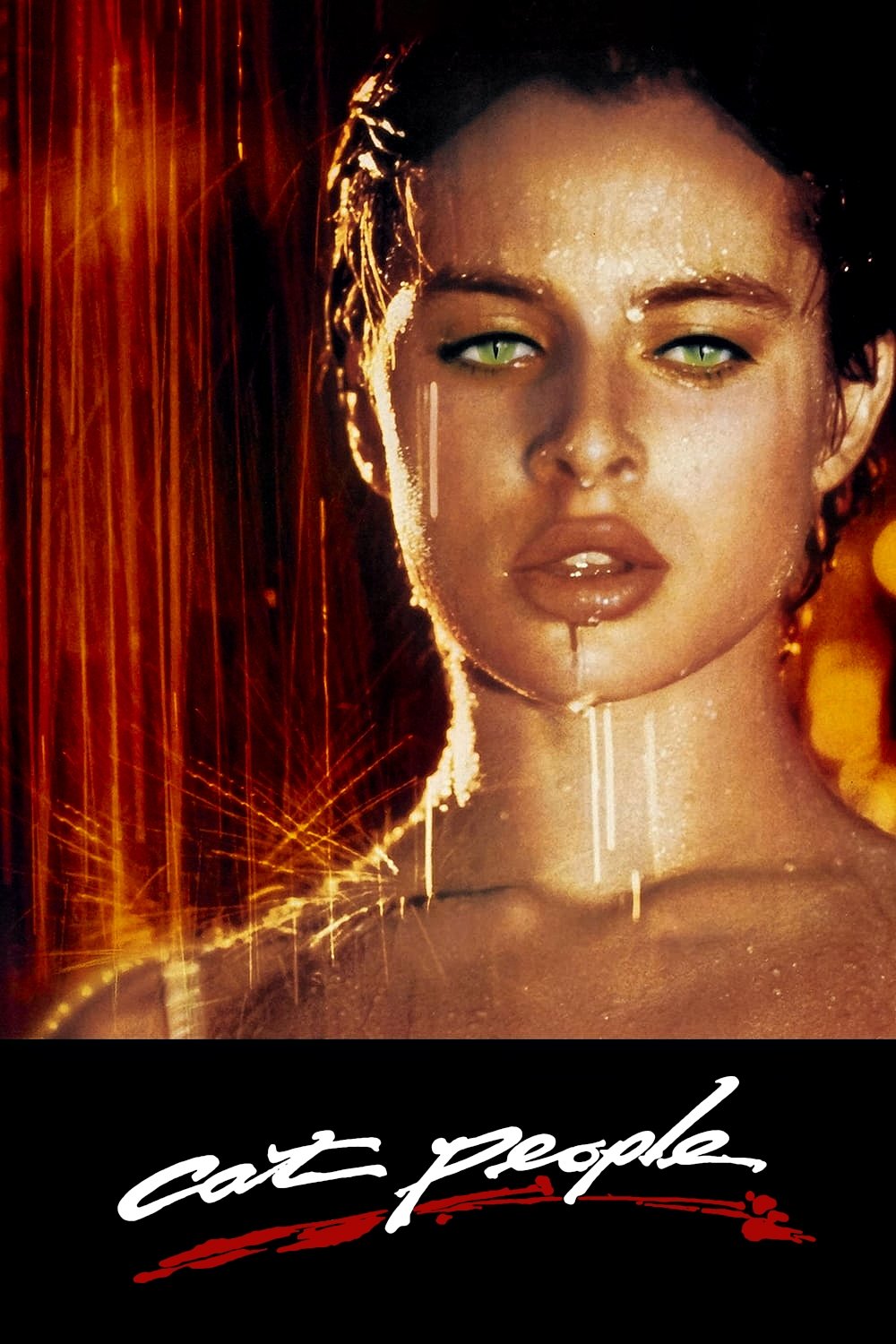
Why This Film Is Beginner-Friendly
When I first sat down to watch “Cat People” from 1942, I had no idea how much a film made so many decades ago could still feel so fresh and thrilling. What really struck me was how approachable the movie felt, even as someone who didn’t grow up with black-and-white films or old Hollywood storytelling. Right away, the movie drew me in, not with complicated plots or overwhelming special effects, but with simple, moody visuals and a story that kept me guessing. The characters behave in ways that are easy to understand, and I found myself getting genuinely invested in their struggles and fears. If you’re the kind of viewer who worries about not “getting” classic movies, this film sets the table so that you can enjoy the experience without needing any background in cinema history. Its emphasis on atmosphere over spectacle means you don’t need to know anything about 1940s filmmaking—the tension and emotion just work on a gut level. Honestly, I think it’s a terrific gateway because it invites curiosity rather than requiring expertise.
What to Know Before Watching
- The movie’s subdued but powerful way of creating suspense might feel very different from modern horror. Instead of showing you everything outright, “Cat People” tiptoes around what’s scary, letting you imagine the worst—which, for me, made the tension even more gripping.
- Its pacing can be slower than today’s thrillers. I remember being surprised at how much of the film is built on quiet moments, shadows, and suggestive glances. The payoff is worth it, but it asks for a little patience as you settle into its rhythm.
- Some of the acting styles and dialogue felt more formal or reserved to me at first, which made the characters’ emotions a little harder to read compared to contemporary films. I quickly learned that the performances are deliberately subtle, which actually makes the story feel more mysterious.
- The special effects and supernatural themes aren’t flashy or explicit. If you expect to see monsters or lots of visual transformations, you’ll notice this film uses implication rather than spectacle, relying on your imagination to fill in the blanks. In my experience, that made things even more chilling.
- If you’ve seen a lot of horror movies from recent decades, you might expect jump scares or gore. This movie doesn’t have those elements at all. Its scares are psychological and atmospheric, built entirely on suggestion. I found that refreshing, and it made even the smallest sounds or camera movements feel important.
- Finally, some aspects of the story’s romantic relationships and ideas about fear and identity feel very rooted in the era. When I first watched, these pieces sometimes puzzled or amused me. It helped to remind myself that the film reflects the attitudes and styles of the early 1940s—and that’s part of its charm.
Key Things to Pay Attention To
For me, “Cat People” is all about the feeling it creates as you watch. What lingered in my memory wasn’t so much the plot twists, but the sensation of unease and the way simple elements—the play of light and dark, the echo of footsteps, the uncertain glances—build a unique world. I recommend keeping an eye on the film’s use of shadows and lighting. There were times I found myself leaning closer to the screen because the director uses darkness almost like another character, making you wonder what might be lurking just out of view.
I also paid special attention to the lead character, Irena. Her emotions are shown not just through words but through physical gestures and silent moments. I found that watching her body language and facial expressions made the story much more powerful than just listening to the dialogue. Her quiet sadness and mysterious aura set the tone for the whole movie, so I tried to pick up on the subtle cues that suggested what she was feeling.
The relationships between the characters are another key spot to focus on. Their interactions are sometimes stilted or cautious, and I started to realize this was intentional. It adds a sense of unease to their friendships and marriages—they all seem to be hiding something, or at least not saying what’s really on their minds. For me, that tension was as important as any of the film’s scarier moments.
I also found it useful to notice the film’s sound design. This may sound surprising, but the movie uses silence and ordinary noises to great effect. When footsteps echo down a corridor, or when a bus unexpectedly interrupts the scene, it startled me in a way modern movie music rarely does. So, sometimes listening closely can be even more revealing than watching for spectacle.
Finally, I tried to let myself be pulled into the film’s sense of mystery. Rather than expecting every question to be answered or every plot thread resolved, I let myself enjoy not knowing everything. The movie leaves a lot up to my imagination, which is unusual but very rewarding if you embrace it.
Common Misunderstandings for First-Time Viewers
- “The film is too slow to be scary.” – When I first watched, I thought the movie’s quiet stretches would make it dull. In reality, the pacing is deliberate, designed to make you feel unsettled and to let your own imagination start to fill in the gaps. The suspense builds in the silence, making the subtle scares much more effective in my experience.
- “Nothing really happens; it’s not like modern horror.” – I’ve heard friends say that the film seems like it’s all buildup with no payoff. But for me, it’s the unseen and the suggested that make it memorable. The movie doesn’t show everything, but that’s the point—it lets your mind run wild with possibilities. Once I accepted that, I found it much more engrossing than many modern films that put all their cards on the table.
- “The story is too old-fashioned or predictable.” – My initial reaction was to expect a predictable monster movie, since I knew the reputation of old horror flicks. But what I discovered was a story much more about emotion, relationships, and uncertainty than about monsters. The theme of not being able to understand yourself, or being afraid of who you might become, felt surprisingly modern and relatable.
Is This a Good Starting Point for Classic Cinema?
I can’t think of a better introduction to classic Hollywood than “Cat People” if you’re new to older movies. My first time watching, I was honestly nervous that I’d feel out of step with the time period, or that the scares would feel quaint. Instead, I found myself leaning forward, eagerly watching for the next shadow or hint of danger, and realizing just how much films from the past can draw you in using nothing but clever direction and atmosphere. I was surprised by how much I related to the characters’ feelings of loneliness, longing, and fear. The film doesn’t require any previous knowledge or love for “old movies”—it’s built to work on the emotions and curiosity of anyone willing to pay close attention.
If you’re the least bit intimidated by black-and-white cinema, I want to encourage you: “Cat People” rewards patience and imagination, and the experience feels like discovering a secret room in a house you thought you knew. It’s moody, it’s quietly intense, and it opens up a whole new way of appreciating what movies can do—without needing huge budgets or special effects. My own journey into classic movies got a huge boost from this film, because it showed me that certain fears and desires are timeless. Give it a chance, especially if you’re someone who enjoys quieter, unsettling stories where atmosphere is king. I’d call it a fantastic—and surprisingly accessible—starting point for exploring the magic of classic Hollywood terror.
If you’re wondering how this film compares to others that have stood the test of time, these may help.
🎬 Check out today's best-selling movies on Amazon!
View Deals on Amazon