Why This Film Is Beginner-Friendly
The first time I watched Braveheart, I was amazed by how quickly I was pulled into its world, even though I had very little experience with classic films at the time. For someone just stepping into older cinema, I think Braveheart stands out because it feels surprisingly modern in a lot of ways. The energy is intense from the very beginning, and I never felt like I was “working” to keep up. I could simply watch, react, and get swept away.
What really helped me as a beginner was how direct the story is. There is a clear hero to root for, powerful emotions that are easy to relate to, and a driving force behind every scene. I never felt lost trying to figure out what the film wanted me to feel. The characters wear their hearts on their sleeves, and the stakes are high enough to make every moment count. It’s a film where nothing is subtle or overly abstract—you are right in the action. This lack of pretension made it easy for me to follow along and invest emotionally, without any background knowledge or a love for film history.
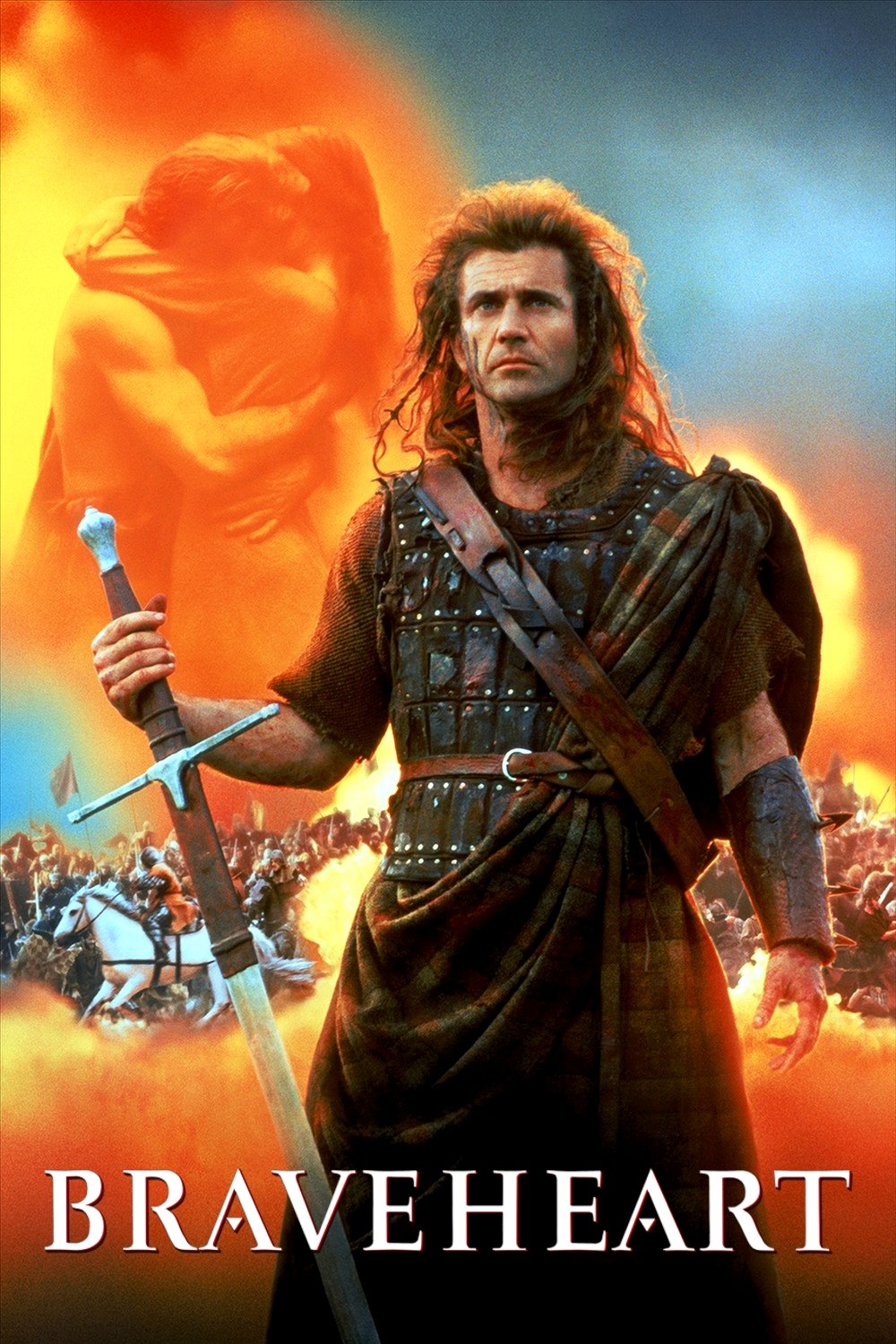
I also noticed that Braveheart is visually accessible. The costumes, landscapes, and staging are bold and dramatic, pulling me in even if I didn’t know much about Scotland or medieval history. It didn’t alienate me with intricate references or clever in-jokes that only seasoned film buffs would catch. I genuinely believe it’s a great film for someone who wants to be entertained first, then maybe curious about deeper themes afterward. For me, it presented “classic status” in a way that anyone could feel, not just specialists.
What to Know Before Watching
- Braveheart’s setting is deliberately grand and historical, with kilts, castles, and wide-open battlefields. For someone used to modern movies set in cities or present-day times, these visuals can feel like a leap into another universe, almost like high fantasy. There’s a lot of attention given to visual spectacle—sweeping landscapes, detailed costumes, and battle scenes that look huge and real.
- The pacing will probably feel a bit different if, like me, you’re used to today’s blockbusters. While there are undeniably big, action-packed scenes, the film spends plenty of time building relationships, letting characters process grief or joy, and setting up history. For moments, it can feel slower than fast-cutting superhero movies—and certain side plots take their time. I found this shift in rhythm pretty enjoyable, but it’s worth expecting quieter moments alongside the action.
- What surprised me most was just how emotionally intense everything is. The brutality depicted is unflinching—the battles are gory, personal tragedies are moving, and the overall violence does not shy away from representing the harshness of the time. I needed a bit of preparation, since some choices felt raw compared to what’s common in newer, more sanitized historical movies. Also, I was struck by the swelling music and soaring speeches, which could initially feel “over the top,” but soon set the tone for the film’s scale and ambition.
Key Things to Pay Attention To
I found that every time I revisited Braveheart, I saw more in the faces of its characters than in any plot-twist or big reveal. For a first-timer, I’d really recommend letting yourself tune in to what everyone is feeling—their losses, hopes, fears, and loyalty. I saw so much expressed with just a glance or a clenched jaw, especially in moments between William Wallace and his closest companions. Their relationships anchor the entire story, and watching those bonds get tested—through both joy and tragedy—made the film resonate with me.
The other thing I found worth focusing on was how emotions are built visually. From the blue war paint to the wild Scottish countryside, everything felt purposeful, as if every mud-stained cloak and golden field was there to magnify what the characters were experiencing. I started to notice how color, weather, and music would match whatever tension or relief the story required. These touches are easy for beginners to catch, even without a background in film analysis. Looking out for those little details—when the music swells, when the camera lingers on the empty silence before battle—helped me understand how much storytelling comes just from images and sounds.
Finally, I’d say it’s worth keeping an eye on the way Braveheart tackles themes of freedom and justice. I didn’t find these ideas presented in complex jargon or layered metaphor. Instead, every speech and rebellion made it simple for me: Wallace is fighting for something bigger than himself. Even if parts of the history flew over my head on the first watch, I could always feel the emotional core. Paying attention to how Wallace inspires and unites people with his simple, heartfelt words helped me grasp why the film’s message touches so many viewers.
Common Misunderstandings for First-Time Viewers
- Thinking It’s Historically Perfect – I remember being stunned by how much Braveheart made me care about Scottish history, but I learned quickly that the film takes quite a few liberties with the facts. The costumes, battles, and even some characters aren’t always true to life. Rather than treating it as a textbook, I learned to see it as a story built around emotion and spirit, not exact dates and events.
- Assuming It’s Just a War Movie – At first, I expected endless battles and little introspection. What caught me off guard was how much time the movie gives to friendship, love, and grief. The action is vital, but for me, the emotional moments between characters were what lingered most. There are entire stretches focused on sacrifice, betrayal, and hope, making it so much more than a showcase of swordfights.
- Believing All Classic Films Are Slow or Dull – I admit I went in with the worry that “classic” meant boring or drawn out. Braveheart proved me completely wrong. Even when the story slows down, I found myself invested because of how big the stakes felt. The film uses its runtime to build intensity, which meant I never felt like checking out or glancing at my phone (something that happens a lot with slower movies for me).
Is This a Good Starting Point for Classic Cinema?
Braveheart was one of my first forays into what film lovers call “the classics,” and I genuinely consider it one of the friendliest entry points available. Its mix of sweeping adventure, personal drama, and accessible visual cues made me realize that classic films can be as engaging as any big-budget release today, if not more. I never needed a deep background in movie lore or history to connect with its characters or to understand their struggles—as a beginner, that was incredibly comforting.
If you’ve ever felt nervous about classic films being intimidating or “not for you,” my experience with Braveheart might give you encouragement. It’s a movie that wears its heart on its sleeve, isn’t afraid of grand spectacle, and doesn’t hide behind nuanced subtext. For a first-timer, it can spark genuine emotion and curiosity about cinema’s past, all while keeping you at the edge of your seat. I found that once I watched Braveheart, I was much more willing to try out other well-loved films, because I knew I could both enjoy and appreciate them without having to be an expert.
I say with full confidence that Braveheart is a fantastic place to start. You’ll get an accessible taste of why so many people fall in love with movies from earlier decades, and you’ll likely walk away eager to seek out more. For anyone worried about taking the first step into classic cinema, this film offers everything a beginner could ask for—big stakes, heartfelt performances, and a story that pulls you in from the very first minute. Give it a watch, and don’t be surprised if you end up wanting to explore much more.
If you’re wondering how this film compares to others that have stood the test of time, these may help.
🎬 Check out today's best-selling movies on Amazon!
View Deals on Amazon