
The First-Time Viewing Experience
There’s a singular kind of thrill I felt the first time I sat down to watch “Breakfast at Tiffany’s.” It wasn’t just curiosity—there was an undercurrent of excitement and even nerves, as if I were about to meet someone impossibly glamorous whose reputation preceded them by decades. When that lilting Henry Mancini score drifted through the opening scene, something curious happened: I caught myself holding my breath, half-expecting to become immediately immersed in a world both familiar from popular culture and utterly alien in its actual details. For me, unlike some films where I’m eager for the story to “begin,” here, right from those first notes as Holly Golightly gazes in that window, time seemed to slow down. It was as if New York had stopped—just for me—to give me an unhurried chance to watch innocence, sophistication, and yearning coexist in a single character, in a single city block, in a single morning.
What surprised me was how much the film invited me in, right from the start. I could sense that “Breakfast at Tiffany’s” meant something different for every generation that discovered it: not just a portrait of elegance or romance, but a kind of test for my own sense of longing and possibility. Watching Audrey Hepburn move through those first scenes, I found myself reflecting not on plot, but on atmosphere and mood—the feeling of sitting on the brink of adventure, loneliness and hope all tangled together. I wondered if Holly’s world would open up for me, or whether I’d always remain an admiring outsider. There was something magnetic about the blend of fantasy and reality—a dream of New York where every sidewalk seemed washed in possibility, and yet loneliness hovered at the edges.
My first encounter with this film didn’t feel like “watching a classic.” Instead, I felt as if I’d been handed an emotional time capsule. Instead of thinking about the 1960s, I found myself thinking about my own emotional landscapes today: the friends I text late at night, my own contradictory impulses to reach out and withdraw, my simultaneous longings for connection and independence. I was surprised by how modern the film felt in that way. There’s a kind of unvarnished vulnerability beneath the glamour, something that I now realize struck me more deeply because it wasn’t expected.
If you, like me, worry that old Hollywood films might feel dusty or distant, “Breakfast at Tiffany’s” gently erases those fears. I remember vividly how, as the movie unfolded scene by scene, it refused to rush. There was space for silence on screen; awkward, human moments felt as awkward and real as anything I’ve lived through. For me, it was like sitting across the table from someone I’m desperate to know better, listening not just to their words but to the hesitations and glances that say just as much. I found myself thinking less about narrative mechanics and more about emotional textures—how Holly’s breezy charm always seemed to veil a well of uncertainty.
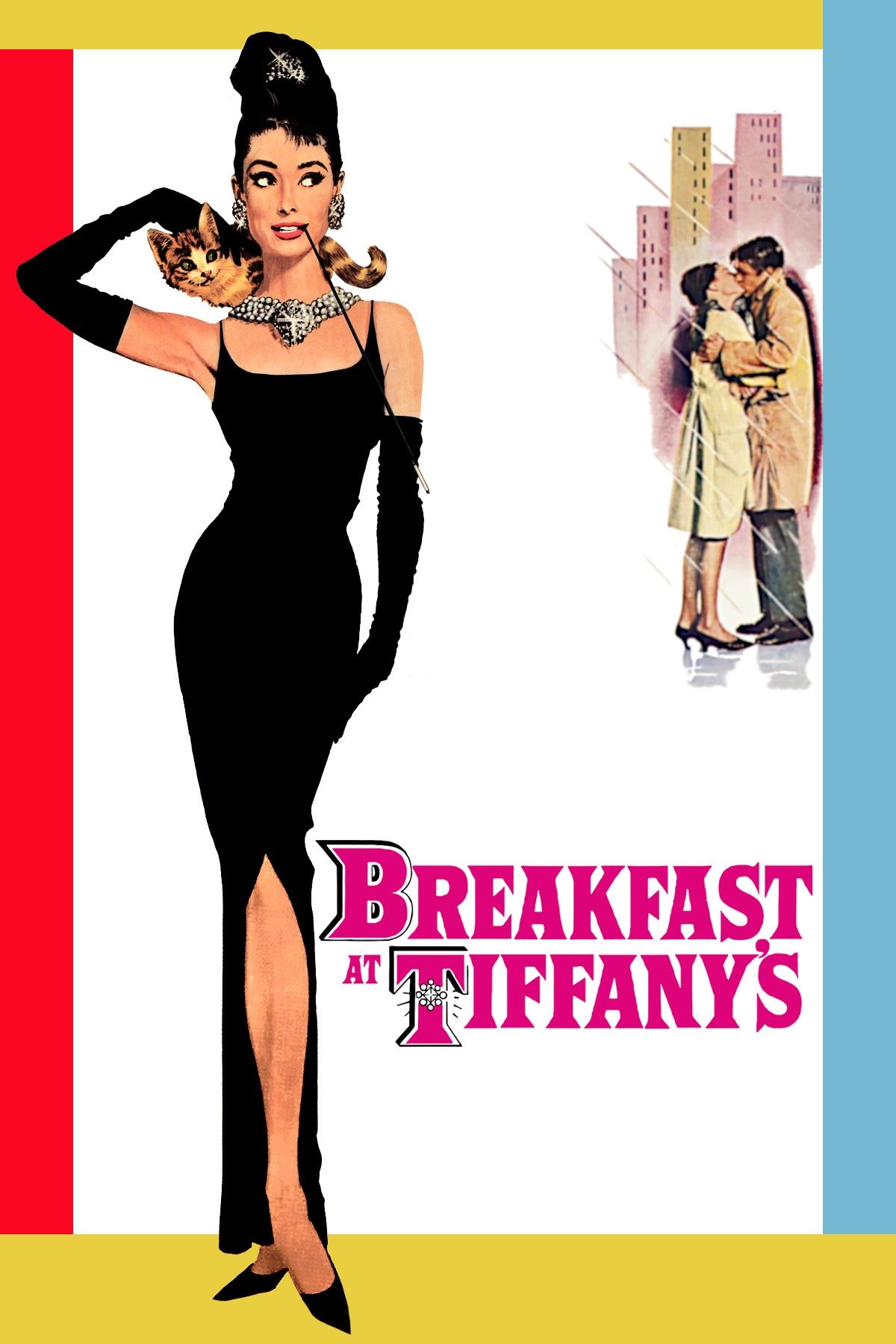
Watching for the first time, I was struck most by contrasts: the sparkling, almost mythic atmosphere of Manhattan nights compared to the quiet, intimate messiness of early morning hangovers or whispered confessions. This movie doesn’t push its era in your face. Instead, I felt drawn in by the small, lived-in details: stacks of magazines on the floor, tangled hair after a night out, laughter that lasts just a second longer than comfort allows. Whether it’s the sight of Audrey Hepburn’s black dress by Givenchy or the offhand way a neighbor raps on her door, I felt a tug of recognition—life’s beauty and awkwardness spinning chaotically side by side.
I remember feeling unexpectedly emotional as I realized that, yes, even the most iconic films can still feel new and urgent. “Breakfast at Tiffany’s” draws you into a world where loneliness is just as present as love, and where the dream of belonging competes quietly with the fear of losing oneself. For me, it was less about plot twists and more about shared longing—the realization that the world Holly creates around her is fragile, hopeful, and desperately real, even sixty years later. There’s a special comfort in a movie that invites you to be both a spectator and a participant in its emotional landscape, and that’s how I experienced “Breakfast at Tiffany’s” for the very first time.
Emotional Moments That Resonate
What took me by surprise about “Breakfast at Tiffany’s” is that its most powerful moments don’t demand attention—they gently lure it out of you. There’s an early sense of magic in the film’s opening, but the emotional weight creeps in slowly. For me, the first scene that truly landed was Holly’s apologetic vulnerability when she lets her defenses down, even for a second. I remember the way she lowers her sunglasses—not with bravado, but with a tremor of hope that someone might just see the real person behind the persona.
One moment I’ll never forget is the pair’s rain-soaked confrontation near the film’s end. I couldn’t shake the feeling that this scene crystallizes everything the film is reaching for. It’s not just a romantic crescendo, but a raw plea for acceptance—a reminder that even those who seem flippant and untouchable are really just longing for someone willing to weather the storm with them. I still remember the sensation of my own throat tightening, not for the spectacle, but for the smallness and intensity of the moment: Holly, so often armored in glamour, finally letting herself risk being cared for. As the rain pours down, I caught myself hoping, with surprising intensity, that the characters would choose connection over fear. In that sense, the film’s emotional honesty cut right through decades of distance and cultural change. Even today, I find scenes like this stepping quietly into my own memories of times when I’ve held love and fear in equal measure.
I also think about that scene where Holly sings “Moon River,” seated on her apartment windowsill with a guitar. It’s gentle and unpolished, almost private—like eavesdropping on a secret. There was something achingly sincere about the performance, and its simplicity disarmed me. Even if you’ve never heard the song before, the way it’s woven into the film gives it the weight of shared longing—a yearning for home, belonging, and uncomplicated joy. In that moment, for me, the film felt suddenly less like a confection of old Hollywood glamor, and more like a confession: we all want, in some small, persistent way, to be found and cherished for our true selves.
In smaller, more coded ways, “Breakfast at Tiffany’s” stirs genuine empathy by exposing Holly’s contradictions. There’s her dazzling charisma at parties, but also her isolation when the apartment empties out. I found myself unexpectedly protective of her, even when she’s impulsive or contradictory. The film opens up space for viewers to love characters who refuse to be simple or easy, and I found that deeply refreshing. It speaks to the lingering feeling so many of us carry: the sense that our most dazzling version is performed, but our truest self may not be lovable. When a film gives you permission to sit with those doubts, it doesn’t matter what decade it’s from—it feels raw and timely.
Even the comic moments have a melancholy edge, like the party scene where Holly’s chaos threatens to spin the whole ensemble out of control. I laughed, but underneath the laughter was a pang of recognition: sometimes, the most elaborate performances are the ones that cost us the most. It’s in those scenes—where fun has started to fray at the edges and loneliness glimmers just behind the punchline—that I felt most closely connected to Holly’s world. It’s not only about glamour; it’s about grasping for meaning in unpredictable, sometimes graceless ways.
These emotional peaks and valleys are why, for me, the film endures. It asks whether anyone can ever truly “belong” in an expansive, indifferent city, and it answers with a bittersweet honesty that feels strikingly current. On first viewing, I experienced these moments not as artifacts of another era, but as invitations to see myself more clearly—my hopes, my defenses, my need for connection. The best scenes left me quiet and open-hearted, and I still carry them with me long after the credits rolled.
How to Appreciate This Film Without Prior Knowledge
One of the most comforting surprises about “Breakfast at Tiffany’s” is how little you need to know going in. If you had told me, before I watched, that there was a “right way” to appreciate this film or that I needed to be an expert on Audrey Hepburn or mid-century New York, I might have hesitated or set it aside. In reality, my lack of prior knowledge became one of my greatest assets. It let me approach Holly Golightly without preconceptions, letting her startle me, amuse me, and move me on her own terms.
There’s no need to study the social context or film history to find resonance here. I quickly realized that the emotions underpinning the film—longing for connection, the search for identity, the vulnerability that comes with love—are feelings as urgent and recognizable now as they were in the year the movie premiered. The language of style or the backdrop of old New York is, for me, more an invitation than a prerequisite. If anything, it made the experience richer because I could bring my own world to the story, not try to fit myself into someone else’s nostalgia.
I found that “Breakfast at Tiffany’s” doesn’t require cultural fluency or an encyclopedic mind. You don’t need to know famous lines in advance, or recognize every visual reference. My experience was richer because it was personal, shaped by my own memories of late-night hopes and friendships built in unlikely circumstances. Every viewer finds something slightly different to hold onto—the love story, the search for belonging, the ache of not quite fitting in. This openness is what made my first watch so welcoming; I wasn’t put on the spot to “get” every layer, but instead invited to feel my way through the film, moment by moment.
If there are references or social codes that feel out of reach, I found it best to let them drift gently past, focusing instead on human moments. Holly’s nervous laughter, the quiet struggle with her own self-worth, the desire to believe in something as simple as the comfort of a jewelry store window—those are as readable now as ever. So much is said in glances, in silences, in offhand jokes and fleeting heartbreak. I never once wished for a guidebook; the film met me right where I was, no expertise or translation required. More than almost any other classic, “Breakfast at Tiffany’s” allows you to bring your own experiences to the party, rather than forcing you to change your clothes at the door.
On first viewing, I sometimes found myself asking: Am I missing something by not knowing all the cultural references? But as the film progressed, it became clear that this wasn’t a puzzle with one correct solution. Every emotion feels immediate, and every scene leaves room for discovery. If anything, my unfamiliarity made the whole experience sharper, like discovering a secret passage in a familiar building. Each viewer finds a door that opens just for them. If you’re worried about keeping up, I promise: Holly Golightly, in all her contradictions, will make you feel not like a scholar, but an invited guest.
Who This Film Is Best Suited For
- Viewers who treasure bittersweet romance and layered character portraits
- Those who find beauty in urban solitude or the search for authentic connection
- Anyone eager to experience classic cinema that remains emotionally current and accessible
A Beginner’s Final Recommendation
If you’re contemplating that first viewing—maybe with hesitation, maybe fueled by hype or cautious curiosity—I want to offer the simple reassurance I wish I’d had. “Breakfast at Tiffany’s” is one of those films that actually lives up to its reputation, but not because it is perfect, or always comfortable, or even remotely simple. Its strength, for me, lies in its willingness to be messy, honest, and achingly open, even behind the shield of style and wit. The first time I watched, I found myself surprised by how at home I felt, even as the city outside Holly’s window was decades distant from my own.
The experience isn’t about ticking off cinematic milestones or grasping every reference; it’s about noticing how the film makes you feel, what memories it stirs, where your sympathies settle. Allow yourself to be both enchanted and unsettled; do not be afraid to bring your own contradictions to the couch. More than anything, I believe “Breakfast at Tiffany’s” rewards openness and emotional risk. Let the movie take its time, and let yourself discover happiness, heartbreak, and hope in measures as unpredictable as the city it celebrates.
So, what is it like to watch this classic for the first time today? For me, it was a rare reminder that the quest for love, belonging, and meaning isn’t bound by era or age. “Breakfast at Tiffany’s” has a way of dissolving distance, letting different generations meet—sometimes awkwardly, sometimes joyfully—over shared longings and fears. Every time you visit Holly’s world, you find a slightly different version of yourself staring back from that Tiffany’s window, hopeful and unfinished. And for a first-timer, that kind of gentle, dazzling welcome is nothing short of magical.
To understand whether timeless appeal still resonates today, modern reassessments are worth exploring.
🎬 Check out today's best-selling movies on Amazon!
View Deals on Amazon