Why This Film Is Beginner-Friendly
Watching this movie for the very first time as someone exploring classics was like opening a door I didn’t quite know existed. I often feel nervous about starting classic films, expecting slow pacing or storytelling that might seem distant from my own experiences. What surprised me the most here was just how immediate and engaging the film felt. I never had to “work my way in”—the story hooked me from the opening scenes. The direction felt dynamic and the acting so believable that I found myself caring about the characters almost immediately. Rather than relying on complicated or old-fashioned dialogue, the film draws viewers in with emotions and a sense of tension that’s easy to relate to, no matter your background with cinema. Even though this movie has already carved out its place as a modern classic, I found the themes and the way it builds its story are easy for a newcomer to follow and appreciate. The film doesn’t require a deep knowledge of film history—it speaks honestly and with immediacy, holding my attention the whole way.
What to Know Before Watching
- There are social and historical references that might not be obvious right away, especially if you’re not used to movies that weave in uncomfortable truths about society. I found it helpful to be open-minded and ready for moments that can challenge the way I think about the world.
- The film mixes genres—at times it feels like a thriller, sometimes a dark comedy, and occasionally, it bursts into horror. I noticed that not every scene follows the same tempo; there are stretches of quiet suspense and then quick, startling moments. As someone used to blockbuster rhythms, I had to remind myself that these shifts are purposeful and help build the story’s mood.
- Some scenes can be unsettling, but not in the way a typical scary movie might be. Instead, the discomfort creeps up in ways I didn’t expect. The tension, often more psychological than physical, made me reevaluate what it means for a film to be “scary.”
Key Things to Pay Attention To
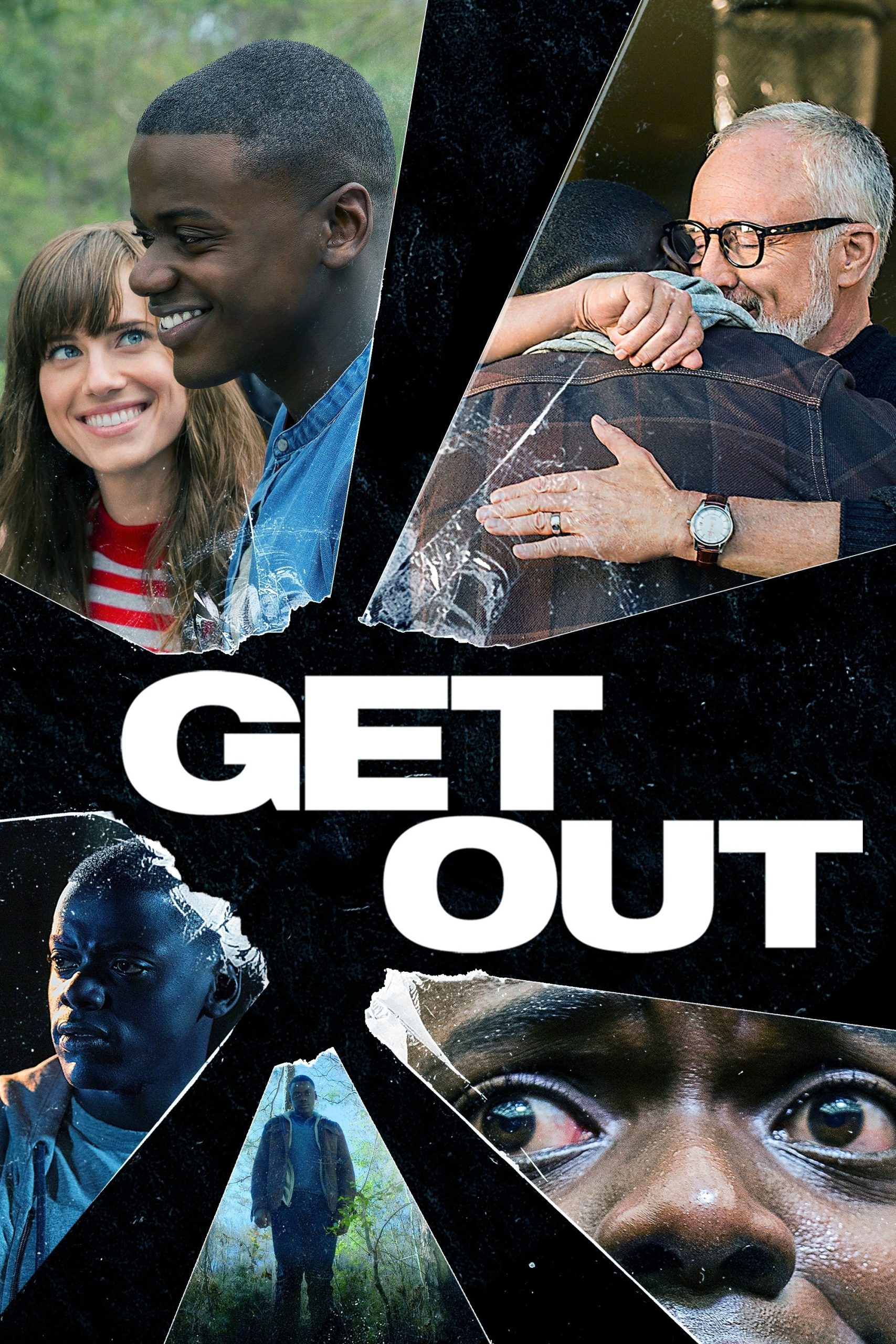
Whenever I recommend this film to someone, I always tell them to watch the characters closely. More than just listening to what they say, I try to observe what’s happening just beneath the surface—awkward glances, strained smiles, moments where people seem to speak in code. The film thrives on nuance. I found myself glued to the facial expressions and the way the camera lingers on small, telling gestures. If I focus on the main character’s experience, I get pulled into the movie’s emotional undercurrent—the feelings of unease and confusion are so honestly portrayed that I almost felt like I was in the character’s shoes.
The little details in the background often say as much as the dialogue. I try to catch the way objects are placed in a scene or how a moment of silence can be just as loud as a conversation. For me, the way the movie uses music and sound cannot go unnoticed—sometimes a simple, eerie melody or even absolute silence sets the entire atmosphere. By paying attention to how the film builds suspense, I notice how it gently nudges me toward a bigger message about trust, identity, and the need to understand what’s really happening below the surface.
Common Misunderstandings for First-Time Viewers
- The film’s humor means it isn’t serious – I remember laughing at certain moments, and it tempted me to think the movie was going to stay light-hearted. But every joke or awkward smile has layers. It uses humor to disarm, sometimes to make the next moment feel even more unnerving. The story’s core stayed with me long after, showing me that comedy here is a tool, not a shield.
- This is just a horror movie – While it has its share of scares, I had to remind myself it isn’t about frightening the viewer in traditional ways. The horror here is more psychological and social. Once I recognized this, the suspense grew deeper; I was not waiting for jump scares, but for those creeping realizations that stick with me when the credits roll.
- The villains and heroes are obvious from the beginning – I first thought I knew exactly who I was supposed to trust, but the film plays with those expectations. People and relationships reveal themselves slowly. I found it rewarding to stay alert to shifting alliances, picking up on subtleties that changed how I thought about each character.
Is This a Good Starting Point for Classic Cinema?
Whenever someone asks me if this is a friendly entry into classic films, I can honestly say it makes an outstanding first stop. Even though “classic” can bring to mind black-and-white films or movies from decades ago, I learned that this film earns its status because it’s already shaping conversations about what modern classics can be. It’s bold, relevant, and accessible without feeling intimidating. From my own first watch, I never felt I needed a guidebook or deep knowledge of movies to “get it.” I was pulled right in by the storytelling and could immediately see why so many call it essential viewing.
My experience watching this movie made me want to discover more classics because it opened my eyes to how films can spark important questions, challenge familiar genres, and still be really entertaining. It meets new viewers where they are and draws them into something deeper than just scares or plot twists. If you’re just starting out, like I was, I can say you’re in good hands—the film is a welcoming, smart, and unforgettable entry into classic cinema’s ever-expanding world.
If you’re wondering how this film compares to others that have stood the test of time, these may help.
🎬 Check out today's best-selling movies on Amazon!
View Deals on Amazon