
Why This Film Is Beginner-Friendly
I’ll never forget my first experience with “Eyes Without a Face.” The movie snuck up on me—not just because of its eerie story, but because it felt so quietly welcoming for someone unsure about diving into the world of classic cinema. Sometimes, old films keep their audience at arm’s length, wrapped in outdated mannerisms or obscure references. But here, I felt gently pulled in. There’s a poetic stillness to the way the story unfolds, making it easy for me to catch details without feeling overwhelmed or lost. I found myself drawn in by the simple, almost dreamlike atmosphere, and I was grateful that I didn’t need to be a film scholar or historian to follow along or appreciate what was happening. For a first-timer to older movies, the approachable pace, clear character motives, and focus on emotion over spectacle made me instantly more comfortable. It convinced me that older films can be just as gripping and emotionally affecting as anything made today.
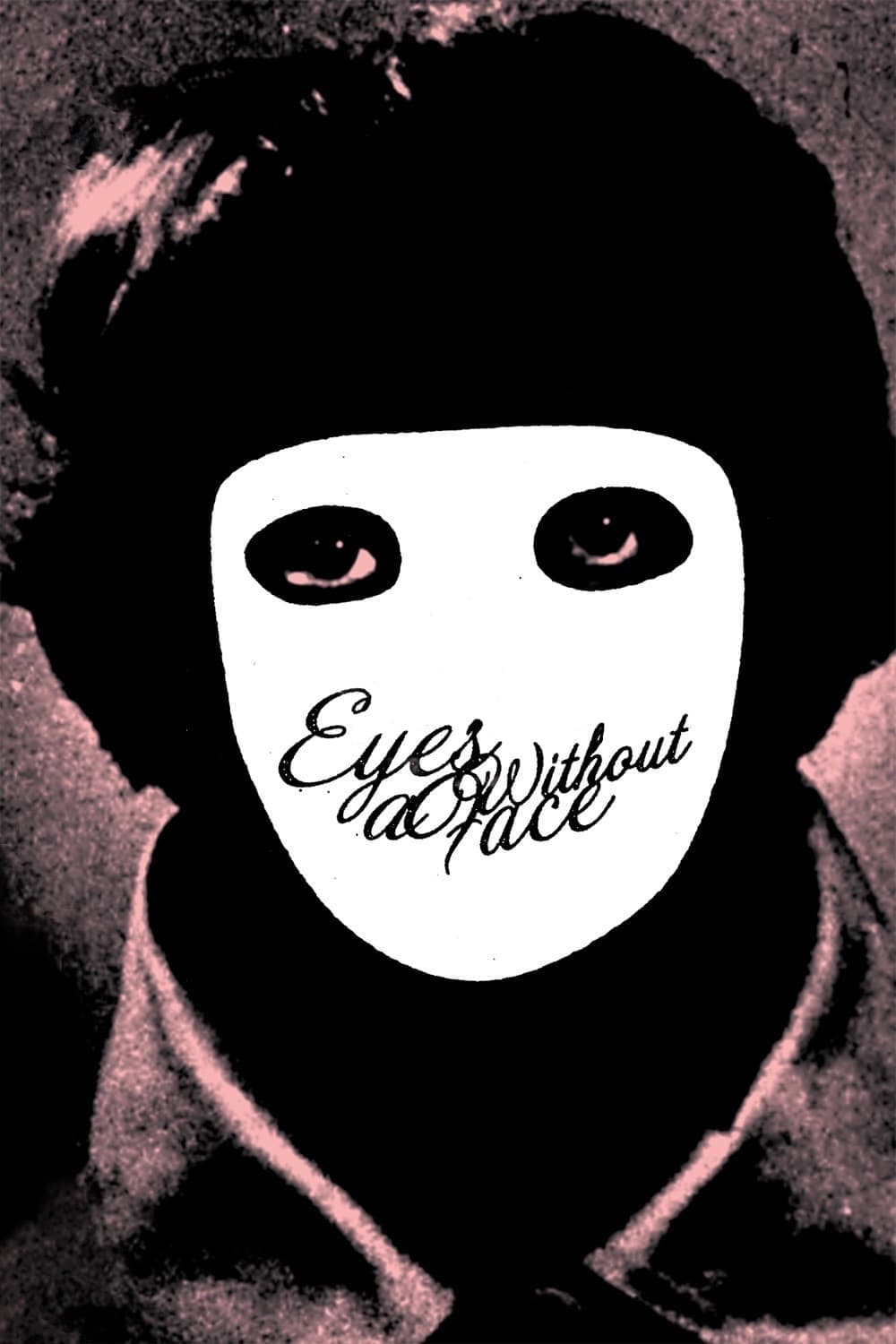
What truly made it beginner-friendly to me was its blend of familiar and unfamiliar. The central relationship—a father’s love for his daughter—resonated with me right away, even though the specifics get strange and unsettling. I never felt like I had to “work” to find meaning or connection. Visually, there’s barely any rapid, confusing editing to distract or overwhelm. Instead, the film invites viewers like me to sit back and simply feel the way tension gathers, scene by scene. Every moment was carefully placed, which helped me track the shifts in emotion and intention. Even the famous mask worn by the main character has a haunting simplicity that, for me, made the film both easy to watch and impossible to forget. If you’re just starting your journey into classic movies, I truly believe this is one of those films that meets you where you are—making it a gently spooky, surprisingly accessible introduction to another era of cinema.
What to Know Before Watching
- When I first watched, what struck me most was the film’s leisurely pacing compared to thrillers or horror films I was used to. Scenes linger quietly, and the tension builds slowly, not suddenly—this isn’t about jump scares or frantic action.
- I noticed that the dialogue is more sparse and formal, partly because it’s in French and from the early 1960s. There’s an elegance and restraint to how characters express themselves, which might feel unusual if you’re used to casual, modern scripts.
- The film’s style—a kind of moody, poetic realism mixed with surreal imagery—felt very different from the bright, busy look of many contemporary movies. Shadows and silence play a much bigger role than dramatic music or dialogue.
- The special effects, particularly those involving surgery and masks, are surprisingly effective despite being made without modern digital technology. I found some scenes genuinely disturbing, not because of gore, but because of how quietly the film presents its unsettling moments.
- For anyone not expecting it, “Eyes Without a Face” can surprise with its tenderness and focus on emotion, despite the horror premise. I was caught off-guard by how sad and sympathetic it felt at times; it’s not just scary, but deeply melancholy.
- If you’re used to Hollywood plot resolution, you might be surprised by the film’s open, ambiguous ending and subtle storytelling. It asks you to sit with questions and feelings, rather than spelling everything out or tying up every story thread.
Key Things to Pay Attention To
When I watched “Eyes Without a Face,” I realized it’s less about the frightening events themselves and more about how people navigate heavy emotions under strange circumstances. For me, the central focus was on the daughter, Christiane, and the way her presence haunts each scene—whether she’s hidden behind her mask or wandering the dim hallways. I tried to pay attention to how emotions are conveyed through quiet gestures and the way people move. There isn’t a lot of loud confrontation; instead, love, guilt, and longing are communicated in subtle looks and careful touches. I learned to keep an eye on the father’s face, observing how his kindness melts into desperation, and to notice the tension building between characters even when there’s very little dialogue.
The visuals spoke loudly to me, too. I started looking for repeated images (like the dog packs and bare trees) that seemed to echo the feelings of isolation and loss. The use of lighting fascinated me: shadows linger on people’s faces, amplifying their secrets and inner turmoil. The iconic white mask—expressionless and ethereal—drew my attention back again and again, pushing me to consider what it means to truly “see” someone or be seen by them. I found that following the camera’s slow movements and watching which details it lingers on helped me enter the film’s world more fully. I also noticed how the music alternates between whimsical and unsettling, making ordinary scenes feel quietly off-balance.
If you’re new to classic films, I recommend paying attention not just to what’s happening, but to how it makes you feel—when do you feel tense, sad, or hopeful? Let yourself be pulled in by the mood and the uncanniness. I discovered that the movie rewards you for simply observing—the atmosphere, the relationships, the interplay of sound and silence. It’s a reminder (at least it was for me) that old films can communicate a whole world of emotion and tension without ever raising their voices.
Common Misunderstandings for First-Time Viewers
- Thinking it will be a traditional horror film—Many first-timers, myself included, expect “Eyes Without a Face” to follow the loud, shocking template of modern horror. It’s much quieter and more emotionally complex than that, focusing less on scares and more on a creeping sense of unease and sorrow.
- Expecting flashy special effects—I’ll admit, I was surprised by the understated and realistic approach. Don’t look for Hollywood-style spectacle; the film’s surgical scenes are tense because of their simplicity and restraint, not because of dramatic visuals.
- Assuming it’s all about the villain—At first, I thought the father was a typical movie antagonist, but on watching, I saw a portrait of love twisted by obsession, and a daughter’s pain and longing at the film’s heart. It’s the relationships and the sadness hiding in the background that really make the story powerful for me.
Is This a Good Starting Point for Classic Cinema?
When I talk to friends who want to dip their toes into older cinema, I always mention “Eyes Without a Face” because it genuinely changed my own attitude toward black-and-white movies. I found that it challenged my expectations: instead of being bored or lost, I was gripped by the sense of atmosphere, the tension, and the humanity on display. The themes it explores—loneliness, parental love gone awry, wanting to be seen—are timeless. For me, it was a gentle invitation into the slower, more atmospheric rhythms of the past, and I never felt shut out by strange references or inside jokes. Instead, I felt like I was being let in on a haunting, beautiful secret.
If you’re new to classic cinema and wonder whether you’ll “get” it, my honest answer is that “Eyes Without a Face” is one of the best gateways you could hope for. It doesn’t lecture or confuse. It pulls you in emotionally and lets you experience something that feels both universal and unique. I left the film not just with a new appreciation for older movies, but with a particular mood and set of images lingering in my mind for days afterward. That, to me, is the sign of a film perfect for a beginner’s journey—and one that might just open the door to so many other extraordinary discoveries.
If you’re wondering how this film compares to others that have stood the test of time, these may help.
🎬 Check out today's best-selling movies on Amazon!
View Deals on Amazon