
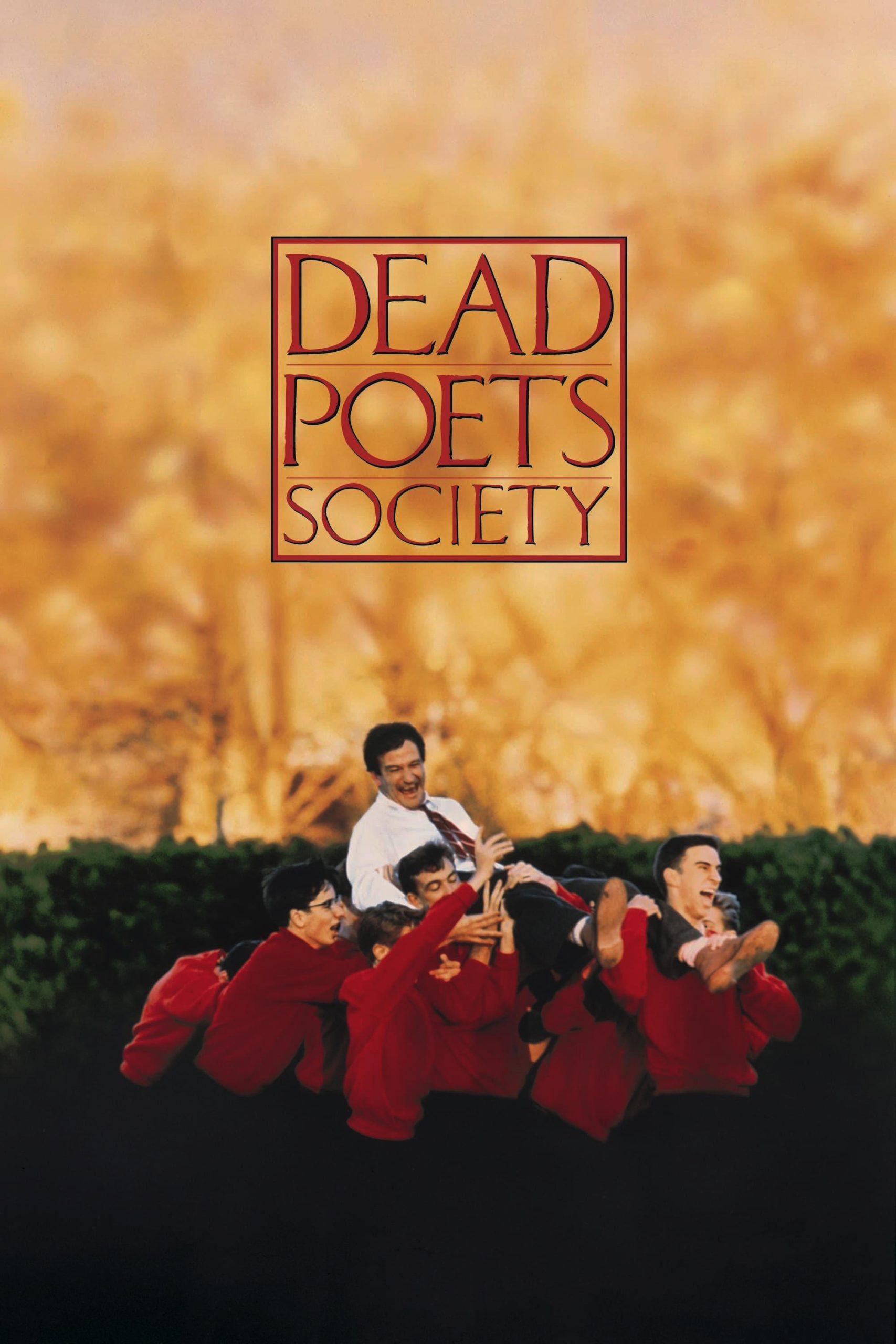
Why This Film Is Beginner-Friendly
Sometimes I find myself urging a friend to watch a so-called “classic” film, only to see their eyes glaze over, already wary that they’re about to be bored or confused. But with “Dead Poets Society,” I never have that hesitation. To me, this is one of those rare movies that seems tailor-made for someone taking their very first steps into the world of beloved older films. What always strikes me is how immediate and emotionally open it feels—even though it was released over three decades ago, its characters and conflicts don’t feel stuck in the past. When I first encountered it, there were no dense period details or complicated settings to decipher—just a handful of teenage boys, their teacher, and a classroom charged with energy. The emotions of hope, uncertainty, friendship, and the anxiety of growing up all felt so universal to me. I remember being shocked by how modern some of the dialogue sounded, and how the students talked to each other in a way that felt genuinely familiar.
If someone asked me for a movie that doesn’t require any homework or deep knowledge of old cinematic styles or cultural references, this is the one I would pick. You don’t need to be a poetry expert or have any background in 1950s culture to be swept up in what’s happening. There are no confusing plot twists or layered symbolism you’d need to research in advance. In my experience, the film’s big emotions and relatable struggles pull you in effortlessly. I could picture my high school teachers, and their influence, mirrored in the story, which made it instantly compelling. In short, I never felt “locked out” by the age of the film, and that’s what makes it such a friendly gateway to classic cinema for anyone hesitant to try something older.
What to Know Before Watching
- The movie is set in the late 1950s at an all-boys private school, so you’ll notice the formality of dress—lots of jackets and ties—and the strict, almost old-fashioned classroom etiquette. I remember thinking how severe the environment seemed, especially compared to my own school experience.
- Dead Poets Society doesn’t move with the breakneck pace of a modern blockbuster or comedy. The story unfolds gently, letting you get to know the students and their relationships one conversation or classroom interaction at a time. When I first watched, I found the slower rhythms comforting, but I did have to remind myself to let the moments breathe rather than expect constant excitement.
- Some of the teaching methods and references—poetry read aloud, standing on desks, quoting Whitman—might feel dramatic or theatrical if, like me, you’re more used to subtle or cynical storytelling. At first, I was surprised by how sincere and even sentimental some scenes felt, but I grew to appreciate how it all tied into the message of the movie.
- If you’re used to movies with special effects or action scenes, don’t expect that here. The power of Dead Poets Society comes from words and personal transformation, not spectacle. I found myself unexpectedly drawn in by conversations and facial expressions, since the film relies on performances rather than flashy visuals.
- The film’s deeper topics—like questioning authority, coping with pressure, and finding your own voice—are sneakily relevant, even if the language seems stylized at moments. When I heard lines like “Carpe diem,” I actually felt energized, rather than overwhelmed by the idea of poetry or classical references.
Key Things to Pay Attention To
When I watched Dead Poets Society for the first time, I found the most rewarding approach was simply tuning in to the characters’ emotions and paying attention to their faces and reactions. Rather than getting hung up on who’s reciting which poem or the details of the school rules, I let myself notice how each boy responds to their teacher’s wild ideas or to the expectations of their parents. For me, the heart of the movie is the growing sense of courage—and sometimes fear—in the students as they experiment with self-expression. Who feels inspired? Who is frightened? Who resists?
Robin Williams’ character, Mr. Keating, is unforgettable, and not just because of his humor or energy. I realized quickly that it’s not about memorizing his speeches or analyzing his teaching style, but about absorbing the subtle ways he connects with each boy. There’s a warmth and respect in his interactions, often revealed in a glance, a quiet encouragement, or a gentle nudge to break from the norm. Whenever he speaks, I found myself just wanting to listen a little more closely—there’s deep care in his advice, and even his jokes feel meaningful.
Visually, the movie is simple and focused—mostly dorm rooms, classrooms, and outdoor scenes that serve as a kind of emotional landscape. I noticed that every time the students steal away into nature, the camera feels more relaxed, showing their freedom contrasted with the stiff, strict environments of the school. It made me realize how much mood can be created through lighting and scenery, even with minimal effects. When I paid attention, I started to see the difference between the rigid pattern of their daily life and the open, loose feeling of their secret meetings.
Another thing that grabbed my attention was the use of poetry—not as something intimidating, but as a tool the boys use to express everything they can’t say out loud. The transformation in language, from formal essays to whispered verses, shows an emotional evolution that felt true to me. By the end, I was listening for tone and body language almost as much as for the words themselves, and I found that was where the movie’s real magic was hiding.
Common Misunderstandings for First-Time Viewers
- Misunderstanding 1 – Expecting comedy from Robin Williams only: I’ve noticed people sometimes assume, because Robin Williams is known for his wild comedic roles, that the movie will be a nonstop laugh-fest. While he’s definitely funny and energetic, I think his performance is deeply layered and often gentle or even melancholy. The movie isn’t a comedy in the usual sense—it balances humor with genuinely heartfelt and painful moments.
- Misunderstanding 2 – Thinking all the poetry is meant to be “understood” in a scholarly way: The first time I watched, I worried I wouldn’t get the literary references or that I was supposed to “decode” every poem. What surprised me is that you don’t need to have studied poetry. I realized quickly that the feeling and spirit of the words—the way they awaken the students’ imaginations—is what matters most. You’re not being tested on these lines.
- Misunderstanding 3 – Seeing the story as just a period piece with nothing to say about today: It’s easy to think that, because of the old-fashioned uniforms or the 1950s rules, the movie is trapped in history. For me, the themes of conforming, daring to be yourself, or wrestling with adult expectations still hit home. I actually felt like it had everything to do with the present, not just the past.
Is This a Good Starting Point for Classic Cinema?
Whenever someone asks me for an approachable “first classic film,” this is the one I’m most eager to recommend. My own experience as a newcomer to older films involved a fair amount of nervousness—I worried about being bored, about not getting the references or feeling left out by unfamiliar language or style. Dead Poets Society made all of those fears melt away. There’s something incredibly inviting about its honesty and the immediate relevance of its story. Every time I revisit it, I notice how the core feelings it explores—belonging, courage, doubt—are so plainly and powerfully drawn that anyone, regardless of their movie background, can find a way in.
I also appreciate that Dead Poets Society isn’t weighed down by confusing subplots or artistic experiments that might put off someone unused to old movies. It’s stylish without being complicated, rich without being dense. The lessons about living life to the fullest, finding one’s voice, and standing up for beliefs are all things I saw echoed in later movies I grew to love, but rarely as clearly and movingly as here. Whenever I’ve watched it with friends who’ve never ventured into classic cinema, they come away feeling excited, moved, and—most importantly—not intimidated by the experience. That, to me, is what makes it the perfect starting point: it offers all the rewards of great storytelling, moving performances, and emotional depth without any of the hurdles that can keep beginners at bay.
If you’re ready to test the waters of classic films but aren’t sure where to start, I can’t recommend Dead Poets Society highly enough. Let yourself settle in for its steady rhythm, open up to the feelings on display, and I think you’ll see why I—and so many others—keep coming back to it. The movie is a generous introduction, and it might just open the door to a lifelong love of cinema’s greatest treasures.
If you’re wondering how this film compares to others that have stood the test of time, these may help.
🎬 Check out today's best-selling movies on Amazon!
View Deals on Amazon