
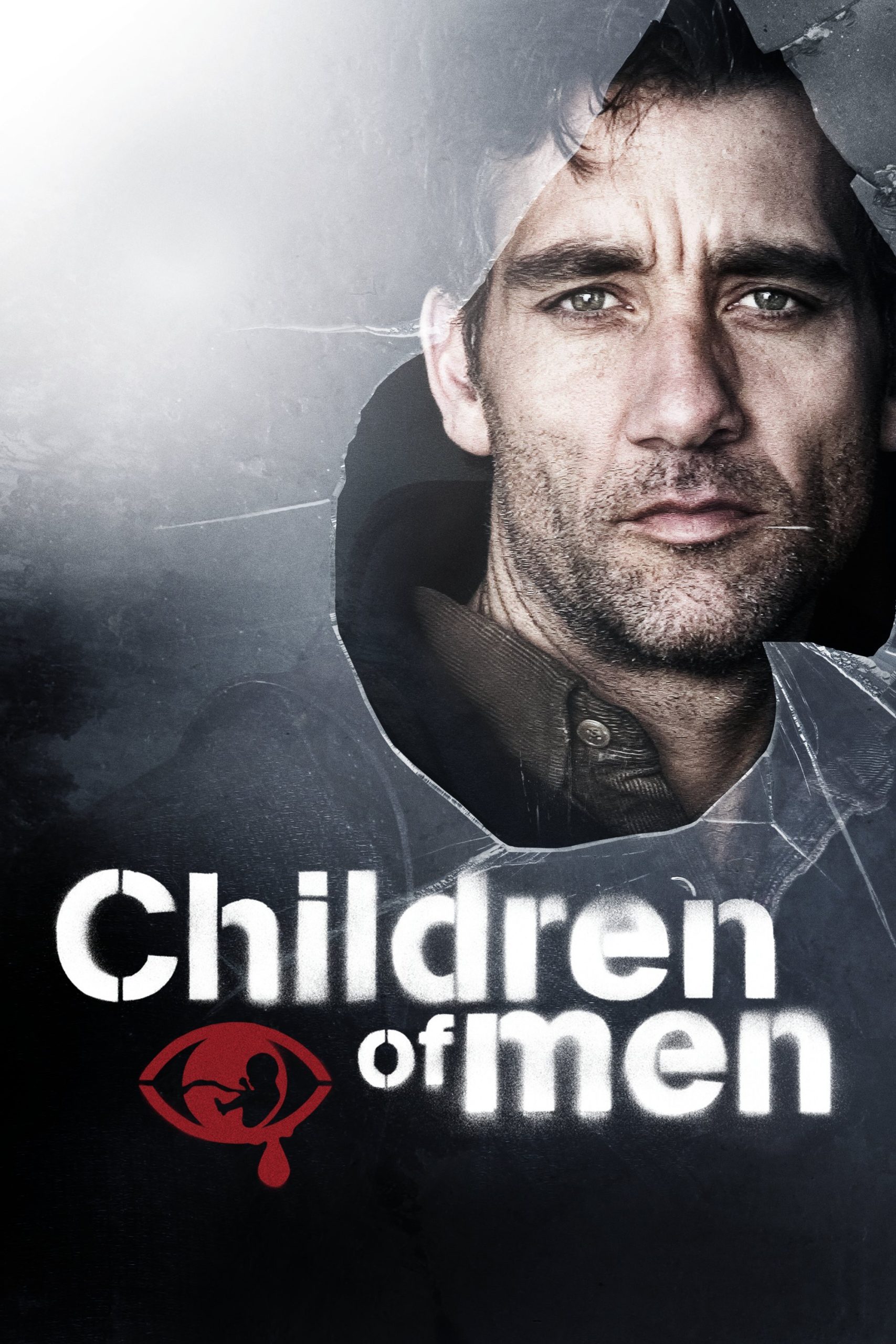
Why This Film Is Beginner-Friendly
When I think about movies that make a great entry point into classic cinema, “Children of Men” is always one I come back to, surprisingly enough. For me, its accessibility lies in the sheer clarity of its emotions and themes. I never felt lost or intimidated by the movie’s setting, even though it takes place in a dystopian future. Instead, I was drawn in by the rawness of the world and the very human struggles at its core. The film’s visuals swept me up right away, with its almost unbroken, immersive camera movements—so even as someone dipping my toes into older or celebrated films, I found myself right at the center of everything. The dialogue never tries to outsmart the viewer; characters speak and react in real, believable ways. I didn’t have to know anything about science fiction or art films to care about what was happening. “Children of Men” combines intensity and approachability in a way that just works for newcomers. It manages to feel thoughtful without ever becoming confusing or sluggish, which, in my own experience, is exactly what you want if you’re just starting to build an appreciation for films considered modern classics.
What to Know Before Watching
- While I was watching for the first time, I did notice a few touches that set this movie apart from most blockbuster films released today. For example, the setting is intentionally bleak and washed out, with muted colors and an almost documentary-like camera style. That may feel a little unfamiliar if you’re used to the bright polish of recent sci-fi or action movies.
- The pacing of “Children of Men” is very different from a typical fast-moving action film. There are sudden bursts of intensity, but a lot of the story is told through quieter, tense moments. I found that the film takes its time building atmosphere, letting scenes play out slowly before pulling the rug from under you. This style can sometimes feel less instantly gratifying, so it’s good to expect a more gradual, immersive rhythm rather than non-stop excitement.
- The way information is given caught me off guard. I remember thinking, “Wait, shouldn’t they be explaining more?” The film doesn’t spell out every detail of its world or characters—they trust you to pick up the context naturally. That sense of mystery is deliberate, but it helps to know ahead of time that you may feel a little disoriented, especially at first. Also, the story doesn’t wrap everything up with a neat, obvious ending. I found that both haunting and liberating, since it stayed with me long after the credits.
Key Things to Pay Attention To
On my first watch, what struck me most was the movie’s meticulous attention to detail, especially in how it used visual storytelling. I advise looking not just at what the characters are saying, but at what’s happening in the corners of the frame—backgrounds, little gestures, and silent reactions. These small elements often reveal as much about the hopelessness (and tiny sparks of hope) in this world as any spoken line. I always felt like I was being challenged to read between the lines, not just in terms of plot, but emotion.
Pay special attention to how the main character, Theo, evolves—not because he spells out his thoughts, but through the way he interacts with others and how his posture or gaze shifts over time. I often found myself measuring his hope and exhaustion by the slouch of his shoulders or the urgent way he protected someone. Instead of spelling out the “message” or moral, the film tells us everything we need to feel through body language and mood.
The sound also caught me by surprise. I never noticed how much tension could be built just through silence, then suddenly shattered by the noise of chaos or violence. Listening closely, I found the sound design intensified every emotional beat, and helped me experience each moment with greater impact.
And if you’re worried about missing symbols or references—I didn’t need to catch them all to appreciate the core journey. The emotional throughline of survival and hope swept me along, even if some background protests or visual hints went over my head. For me, the best way to watch is to stay open to feeling whatever comes up—confusion, hope, fear—without worrying about “solving” every scene on the first go.
Common Misunderstandings for First-Time Viewers
- Some people, myself included at one point, might assume that because “Children of Men” is set in a dystopian future, it’s going to be full of big sci-fi spectacles or high-tech visuals. But I quickly realized that this movie is much more focused on its characters and the emotional consequences of its world, not on showing off gadgets or wild special effects. The setting feels grounded and even familiar—it’s the world we know, just stripped of hope and comfort.
- I remember expecting the story to explain every part of its backstory—how the world ended up this way, what triggered the global infertility crisis, or how certain factions gained power. It threw me at first that so much is left purposefully vague or ambiguous. What helped me was simply letting go of the need for complete exposition and instead paying attention to the present-tense struggle and the immediate challenges facing the characters.
- Another common misunderstanding I’ve heard from friends is thinking you have to “get” all the references or symbolic images in order to appreciate the movie. I learned pretty quickly that my enjoyment didn’t depend on unpacking every visual metaphor or historical parallel. There are certainly layers to discover on repeat viewings, but they don’t get in the way of my emotional response. The story’s heart is accessible on a gut level—a good sign for anyone worried about missing deeper meaning.
Is This a Good Starting Point for Classic Cinema?
When I look back at my experience with “Children of Men,” I honestly think it’s an ideal place to begin exploring classic cinema. For one, it’s a film that’s just old enough—influential, celebrated, but still relevant and approachable for newcomers. I never felt burdened by history or intimidated by its reputation; instead, I was captivated from the opening minutes. The emotional power, the spectacular use of long takes, and the raw, believable performances drew me in instantly.
What set this film apart as a starting point was how successfully it balanced thought-provoking ideas with a gripping, easy-to-follow storyline. I never felt like I was being lectured by the filmmakers or talked down to; rather, I felt thoroughly included in the film’s world. The story was never simple-minded, yet it was accessible to anyone willing to pay attention and feel along with the characters.
If you’re hesitant about jumping into “classics” because you worry they’ll be slow, confusing, or out of touch with today’s concerns, I can assure you that “Children of Men” mostly defies those expectations. Its pace is sometimes deliberate, but almost always rewarding. Its themes—hope in dire times, empathy across divides, and the fate of future generations—felt incredibly current to me even on my very first watch.
So if you’re looking for a film that will challenge you just enough without feeling alien or daunting, this is an inspired choice. It shows what makes classic cinema worth exploring: bold ideas, powerful storytelling, and the ability to draw you into another world without leaving you behind. Every time I revisit “Children of Men,” I’m reminded how much a single, well-crafted movie can expand my appreciation for film as an art form. If you start here, I don’t think you’ll be disappointed.
If you’re wondering how this film compares to others that have stood the test of time, these may help.
🎬 Check out today's best-selling movies on Amazon!
View Deals on Amazon