The First-Time Viewing Experience
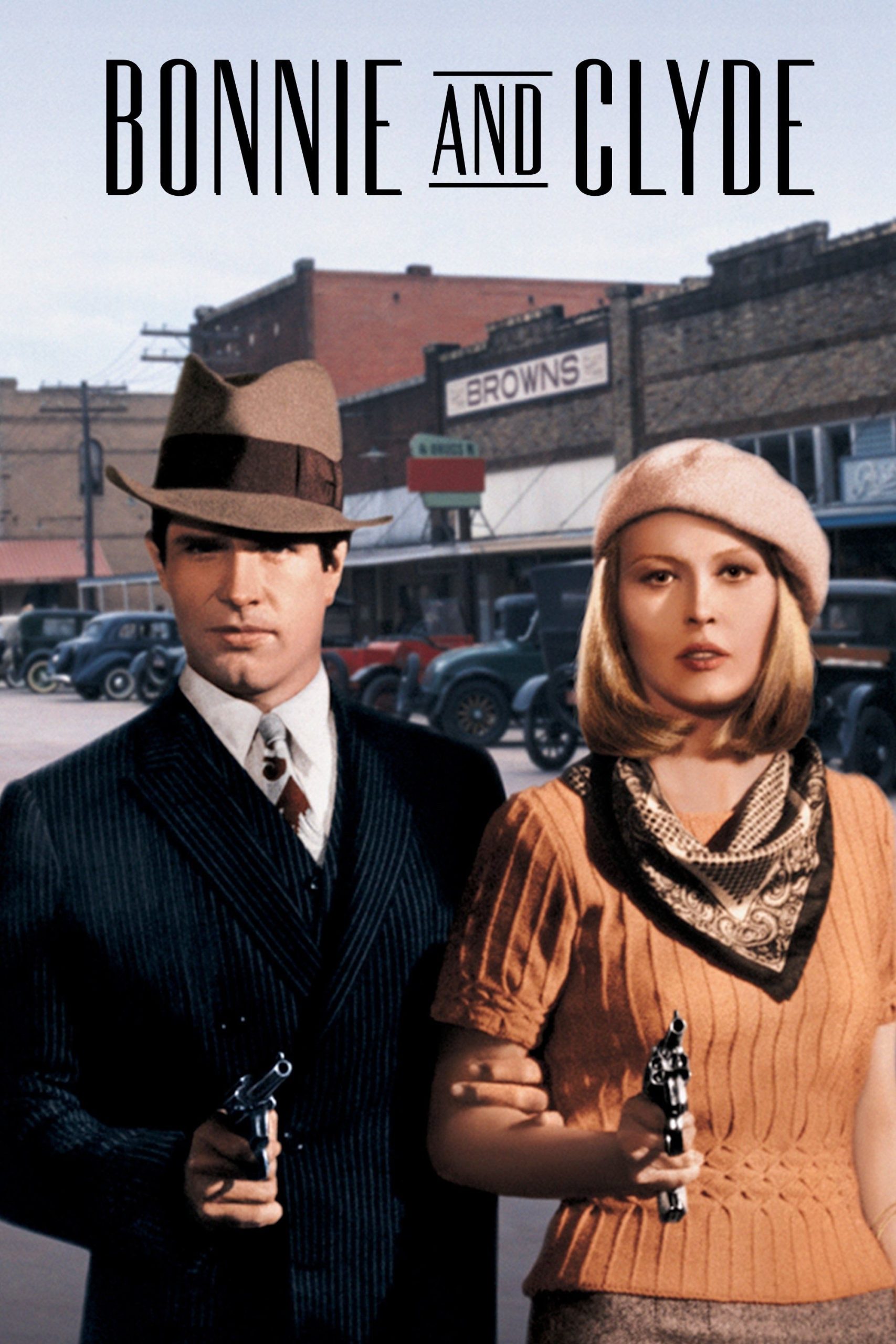
The first time I watched “Bonnie and Clyde,” I felt an uncomfortable mix of adrenaline and uncertainty, almost as though I’d stumbled into the passenger seat of their rickety, dust-blown car. For me, the opening credits alone had a strange, lingering impact—the sound of camera shutters, the sepia-tinged images of these real, imperfect people. Before a single word was spoken, I sensed I wasn’t just a spectator to another crime film; I was being invited into the rhythm of two restless spirits who would dare me to judge—or secretly root for—them.
As the film started to unfold, I noticed how quickly I was gripped not just by what was happening but by how intimately it unfolded. It’s not about a rigid account of historical events, but more about slipping into a time period that feels half-forgotten and half-familiar. The style drew me in—more jagged than polished. Scenes move with a natural, almost eerie energy, like overheard conversations rather than carefully composed script. I found myself drawn to the unapologetic romance between Bonnie and Clyde, but it wasn’t the romance of candlelit dinners or grand gestures. It was a kind of feverish desperation, edged with danger, that made me squirm and lean in at the same time.
I remember thinking, “How modern this feels,” despite the unmistakable markers of its 1930s setting. The movie pulses with rebellion; the dialogue sounds quick and self-aware. There’s an irreverence to the violence, a kind of slapstick that suddenly turns chilling—a shift that made me physically tense. Watching now, the film’s landmark status is obvious, but on my first viewing, I didn’t feel like I was dutifully consuming a “classic” so much as being jolted by something totally alive. More than once, I caught myself marveling at how different it was from the staid, distant movies I’d sometimes feared old films to be. The energy in “Bonnie and Clyde” doesn’t let you settle.
I didn’t anticipate the conflicting emotions: I wanted Bonnie and Clyde to outrun the consequences, yet I kept thinking about the trail of broken people left behind. There’s a restlessness that seeps into you; I wanted to see more, to root for their escape, but I could never truly relax. By the time the film had ended, I was left breathless and slightly haunted, wondering how I could both admire their bravado and mourn the tragedy so deeply entwined with it. For anyone coming to it for the first time, I believe you’ll find yourself caught in that same cross-hatch of exhilaration and melancholy, questioning your own sympathies as the credits roll.
Emotional Moments That Resonate
The most powerful moments in “Bonnie and Clyde” didn’t always come from the bigger, louder scenes—they crashed over me in sudden, private flashes. I found myself unexpectedly breathless the first time Bonnie, played so vulnerably by Faye Dunaway, looks straight at Clyde in her bedroom mirror as if searching for her other half—or maybe a missing part of herself. It’s an aching, nearly wordless moment, but it stuck to me like humidity. There’s a rawness to that early connection, less about lust and more about shared yearning to escape.
Their first robbery together is both comic and nerve-wracking. I laughed despite my nervousness, caught off guard by how human they seemed in their fumbling, impulsive crime. The robbery doesn’t feel like an act of masterminds, but rather two kids performing freedom on a tiny, dangerous stage. These little bursts of humor—where Clyde tries to teach Bonnie how to handle a getaway—give the violence and uncertainty ahead an added emotional weight. I recognized my own longing for adventure, and realized how easy it can be to justify wild choices when the world feels small and stifling.
One of the film’s most wrenching turns for me comes when Bonnie, after so much bravado, suddenly aches for her mother. The picnic scene in the dusty Texas field is almost tender, set apart from everything violent or frantic. Bonnie sees her mother on the other side of a river, the distance as much emotional as physical. There’s a sense of doom in the air, and as I watched, I felt an ache knowing how out of reach safety had become. Their doomed fate felt real, their rebellion growing smaller against the giant wheel of time and circumstance. It’s in that silent look between Bonnie and her mother—a mixture of longing, resignation, and grief—that I felt the entire tragedy coalesce into something inexpressible.
The film’s closing minutes hit with a rawness I rarely experience elsewhere. The infamous ambush is abrupt, shocking, and so merciless that even if I was prepared for it, the execution felt like a personal betrayal. I literally jumped at the first shot and then sat, stunned, as the frenetic violence resolved into an eerie, silent aftermath. There’s a lingering close-up of Bonnie and Clyde, no longer romantic figures of legend but frail, mortal and exposed—stripped of their myth, revealed as all-too-human. I couldn’t shake that image, or the way it asks us not to look away from the price of our fascination with outlaws. Every time I revisit the memory, it sneaks up on me: how an old film managed to leave me with a knot in my stomach and an echo that stayed long after the story had ended.
How to Appreciate This Film Without Prior Knowledge
When I first encountered “Bonnie and Clyde,” I worried I was missing some unwritten rule—would I need to know 1930s history? Cinematic trends of the ‘60s? I quickly realized that none of this preparation was necessary. The raw electricity of the film demands only one thing: openness to an experience. If anything, I found my lack of background actually added to my curiosity. I didn’t need to know every fact about bank robberies or Depression-era America in order to feel the tension, the intimacy, and the strange mixture of comedy and tragedy that permeates each scene.
All of the context you need is right there—in the performances, the urgency of scene after scene, the moments where relationships teeter on the brink of trust or betrayal. I was surprised at how many scenes unfolded in familiar emotional territory: family dinners laced with unsaid resentment, laughter that tries to cover up fear, lovers sharing plans in the middle of the night. The world-building happens almost through osmosis, woven into accents, costumes, and body language more than dry exposition. At no point did I feel excluded for not being a student of history; if anything, my instincts and curiosity became my guide. The film’s confidence freed me from any gatekeeping—there are no trick questions, no barriers to entry, just the exhilarating ride where my reactions mattered most.
What helps most, I think, is willingness to let go of modern expectations—especially about right and wrong, or the “rules” about heroes and villains. “Bonnie and Clyde” flattens those certainties. When Clyde grins crookedly in the face of danger, or when Bonnie rattles off poetry, I felt drawn into moral ambiguity that felt real and alive. There are moments when the film seems to ask, “What would you do?”—but it never makes you choose a side. I simply let the contradictions play out and, in doing so, discovered a connection that went deeper than textbook knowledge.
If you’re someone who sometimes feels nervous about watching a celebrated “classic,” I honestly found it liberating that this film doesn’t require reverence to appreciate its impact. You don’t need to know what came before, or what came after. All you have to do is watch with your eyes—and your heart—open. That’s where the film’s real magic reveals itself.
Who This Film Is Best Suited For
- Curious newcomers to classic cinema who crave a bold, emotional story that doesn’t rely on nostalgia or pretense
- Viewers interested in flawed, magnetic characters who test the boundaries of morality and empathy
- Anyone ready for a film that pulses with both excitement and unease, willing to sit with questions rather than answers
A Beginner’s Final Recommendation
I’ll always remember how “Bonnie and Clyde” became a touchstone in my own journey through classic film—not because it was the “right” place to start, but because it shattered so many of my preconceptions. The nerve and vulnerability of these two characters drew me in more fiercely than any reputation or award ever could. Even now, years later, I’m still a little haunted by it—a sure sign that a film has truly worked its way under your skin rather than passing through untouched.
If you’re just starting out on your exploration of older movies, this is one of those rare choices that meets you where you are, without demanding credentials. You won’t find yourself distanced by dated techniques or slow pacing. Instead, I felt a rush, a sense that I was watching something at once radical and intimate, as fresh and sharp now as I imagine it must have felt decades ago. I can’t promise you’ll root for Bonnie or Clyde—or judge them—exactly as I did. I can only promise the journey is worth taking: you’ll emerge with something bruised and luminous and unforgettable, a movie that doesn’t fade but flickers long after you leave it behind.
If you enter with curiosity, a willingness to feel uncomfortable, and an openness to ambiguity, I believe your experience will be as charged and unpredictable as my own first viewing. In a world that so often tries to flatten its stories into easy answers, “Bonnie and Clyde” reminds me to find beauty in contradiction, thrill in the unknown, and empathy in the jagged places where safety ends. Don’t worry about “getting” every reference or historical detail. The power is all in the watching—and in your gut reactions. If you let yourself be carried along by its current, I think you’ll discover not just why this film remains iconic, but why the best art continues to move us, one new viewer at a time.
To understand whether timeless appeal still resonates today, modern reassessments are worth exploring.
🎬 Check out today's best-selling movies on Amazon!
View Deals on Amazon