
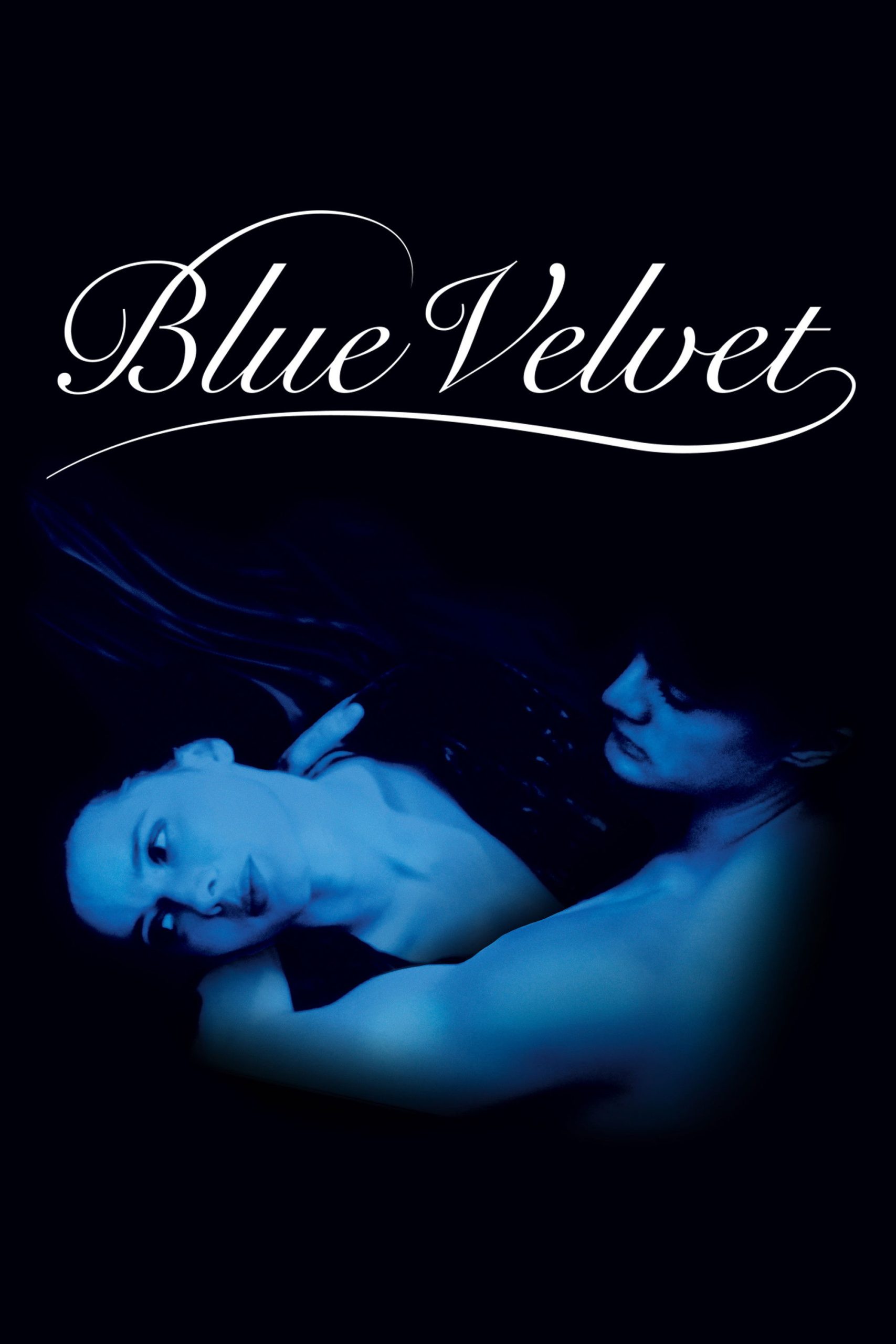
Why This Film Is Beginner-Friendly
When I first watched “Blue Velvet,” it was unlike anything I expected from a so-called classic film—it didn’t feel like some distant, black-and-white artifact or an intimidating three-hour epic from Hollywood’s golden age. Instead, I felt immediately pulled in by how modern and stylish it still looked, despite being made in the 1980s. I’ve found that for someone new to classic films, this movie doesn’t ask you to “know the rules” of old cinema or have a film studies degree; it simply lets you get swept up in its suspense and strangeness from frame one. The characters and the story are accessible—the kind of mystery where you’re hooked and want to know what happens next. There’s no confusing dialogue or slow build-up just to show off old-fashioned glamor. Honestly, “Blue Velvet” is approachable because it’s so visually inviting, and the performances from actors like Kyle MacLachlan and Isabella Rossellini feel vivid and real, not stiff or overly stylized like I worried “classic” acting would be. I remember thinking, “This could easily be made today,” and I think that goes a long way in making it friendly for someone starting their exploration of older films.
What to Know Before Watching
- If you’re like me and mostly watch movies from the last couple of decades, the 1980s setting might seem both familiar and oddly dreamlike. There’s a nostalgic Americana in the look of the town and the costumes that doesn’t quite match how modern films recreate the past. Director David Lynch uses this to play with your expectations—everything seems normal but just off enough to be a little unsettling. The style can be confusing if you’re expecting either full realism or obvious fantasy, but I found it’s part of the fun.
- One thing that stood out to me right away is that the movie takes its time compared to the fast pace of recent thrillers. There are long, quiet scenes with minimal dialogue and lots of lingering camera shots on everyday things, like curtains billowing or suburban houses. Early on, I felt myself getting impatient, but then I realized there’s a purpose to this—those moments build suspense and set the mood, not just fill space. “Blue Velvet” is more about atmosphere than rapid plot points, so it helps to let yourself sink into it.
- It really surprised me how intense some moments get, especially since the movie starts off looking so ordinary and even playful. There are scenes with strong violence, threat, and unsettling behavior that feel really jarring against the otherwise calm surface. When I first saw it, I didn’t expect a “classic” to be so blunt and dark in places. If you’re sensitive to disturbing content, it’s worth being aware that these moments come up, but I found they didn’t feel gratuitous—more like well-placed shocks that made the story more gripping.
Key Things to Pay Attention To
When I watch “Blue Velvet,” what strikes me isn’t just the plot, but the way the movie makes me feel unsettled and curious at the same time. On a first viewing, I’d tell anyone to focus on the atmosphere that builds from the very first shot—there’s an almost dreamlike quality to the way sunlight hits the perfect lawns, contrasted with something much darker lurking beneath. I’ve noticed the movie is obsessed with surfaces and what’s underneath; that’s symbolized right away with the discovery of the severed ear. As a new viewer, I think it’s worth paying attention to these visual contrasts: the bright, cheerful suburbs and the shadowy, mysterious places people go at night. These images aren’t just for style; they tell you how things feel before you even know what’s wrong.
Another thing that really stood out to me is how the characters’ emotions are often shown through their body language and close-ups rather than their words. When I first saw Jeffrey (MacLachlan) and Dorothy (Rossellini) interact, I paid attention to the looks they give each other, the hesitations in their voices, and the way the camera lingers on their faces. Their fear, longing, confusion, and even boldness all come through in very subtle ways. I think if you watch closely for these small gestures, you’ll get drawn into their world more deeply than if you wait for someone to spell everything out.
I also felt that the music and sound design deserved special attention. The film has this constant hum—sometimes it’s actual machinery, sometimes an eerie musical score—that made me feel as if something was about to go wrong, even in quiet scenes. If I let myself listen carefully, I noticed how the sound choices heighten tension or soothe it, depending on what Lynch wants you to feel. For someone watching this as a classic for the first time, I’d say don’t be afraid to let the music and strange noises wash over you. Trust your instincts—if you feel uneasy or thrilled, that’s exactly how the movie wants you to respond.
Common Misunderstandings for First-Time Viewers
- Misunderstanding 1 – Thinking the story is simply a dark crime mystery. At first, I thought “Blue Velvet” was just out to be a wild detective story, but by the end, I realized the film is just as much about what’s hidden in everyday life as it is about solving a case. There’s a surreal, almost fairytale edge to it. If it seems weird or illogical at moments, I now see that’s intentional—it’s showing how strange “normal” life can be when you look closer.
- Misunderstanding 2 – Believing every character is either purely good or purely evil. My first impression was that Jeffrey was the straightforward hero and Frank (Dennis Hopper) the utter villain, but “Blue Velvet” quickly shakes that up. I began to see that everyone in the story has both light and darkness in them, including the so-called “good guys.” It’s not meant to be comforting, and I found that letting go of those clear lines made the film way more compelling.
- Misunderstanding 3 – Expecting everything to be explained by the end. I used to want movies to spell out every answer, but this film made me rethink that approach. The ending left a lot open, some things clear, others purposely vague. I realized this isn’t the kind of story where you get neat explanations; part of the impact is in what remains mysterious and unresolved. If you feel a bit lost at first, that’s part of the experience Lynch wants you to have.
Is This a Good Starting Point for Classic Cinema?
I’ll be honest: when I talk with friends about watching “classic” films, there’s often a hesitation—they imagine old movies will be slow, outdated, or confusing. That was my concern before I sat down with “Blue Velvet.” What struck me was how fresh and provocative it still feels. The story is easy to follow, the visuals are endlessly fascinating, and the questions it asks about what lies beneath everyday life never go out of style. For anyone new to classic cinema, I wouldn’t hesitate to recommend this as a starting point—its combination of mystery, beauty, and darkness made me want to explore more films from earlier decades, not just twentieth-century blockbusters.
I found “Blue Velvet” works so well for beginners because it bridges the gap between familiar modern thrillers and artier, older movies. It’s not overly long or filled with references only movie buffs will appreciate. Even if you normally watch streaming series or recent blockbusters, something about Lynch’s vision feels strangely relatable—you recognize the suburbia, but you also find yourself pulled into a nightmarish world you never expected. The film doesn’t demand that you spot every hidden symbol or know the director’s full career to enjoy it. Instead, it gave me the thrill of discovery: I saw just how much older films could surprise and challenge me. If you start your adventure into classic cinema with “Blue Velvet,” I think you’ll get hooked—not just on this film, but on finding out what other surprises earlier movies have in store.
If you’re wondering how this film compares to others that have stood the test of time, these may help.
🎬 Check out today's best-selling movies on Amazon!
View Deals on Amazon